 Art
Art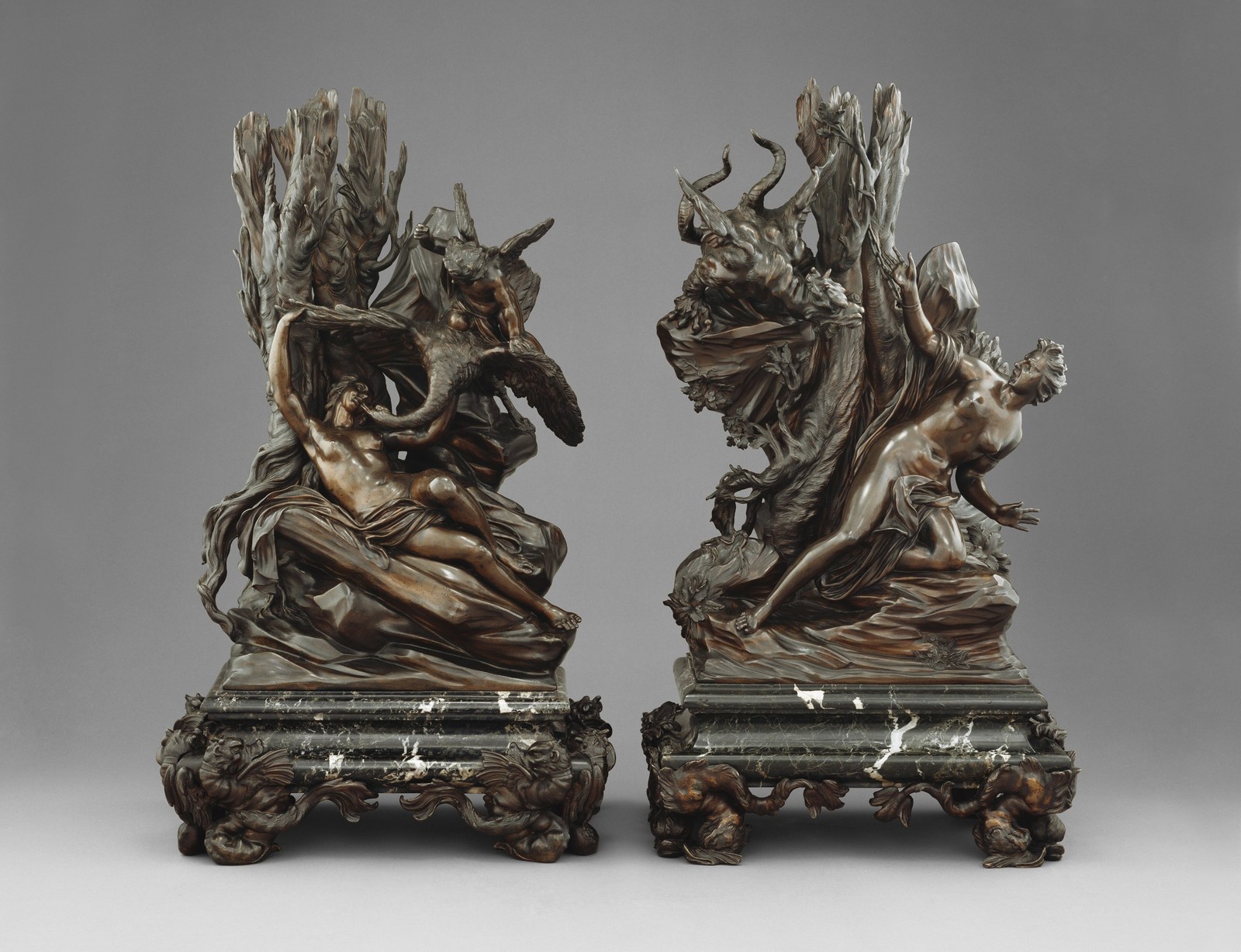
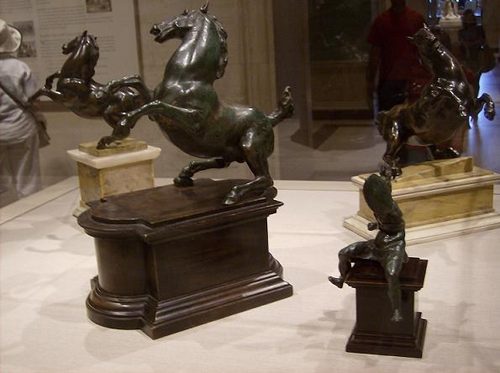
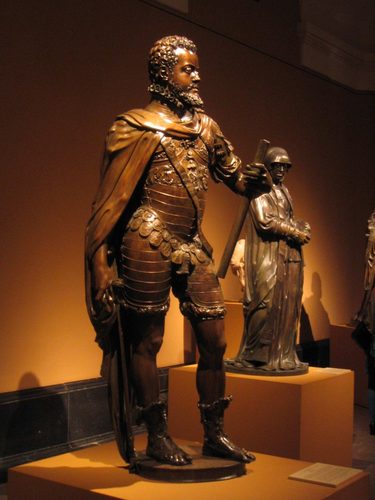
Bronze casting is a metal sculpture process that captures a soft original — usually modeled in wax or clay — and reproduces it in molten bronze poured through a mold. The dominant method, lost-wax casting (cire perdue), builds a wax version of the sculpture, encases it in a heat-resistant investment shell, then melts the wax out through channels, leaving a hollow cavity in the exact shape of the original. Molten bronze is poured into that cavity, cools, and the shell is broken away to reveal the metal form underneath. Sculptors reach for bronze because it captures fine surface detail — fingerprints in clay, tool marks in wax — while surviving weather, handling, and centuries better than almost any other sculptural material. It also allows editions: a master mold can be reused to cast multiple bronzes from a single original, which is why many bronze sculptures exist in numbered sets. The final surface is usually chased, polished, and chemically patinated to its finished color.
How to spot it
- 01A smooth, slightly waxy sheen with fine surface detail sharper than carved stone.
- 02Greenish, brown, or black patina — a chemical skin, not paint.
- 03Hollow-sounding when tapped, with thin walls instead of a solid, heavy block.
- 04Seam lines or small filled pits where casting sprues and vents once connected.
- 05Numbered edition marks, like 3/8, stamped near the base or signature.
The Bronze Casting workshop card
Days per casting; years to master the foundry.Materials
- sculptor's wax or oil-based modeling wax
- investment plaster and silica shell mixture
- wax sprues and pouring channels
- kiln or burnout oven
- bronze ingots (copper-tin alloy)
- crucible and furnace
- chasing tools and files
- patina chemicals such as liver of sulfur
Steps
- 1
Model the original
Build the sculpture in wax or a material that can be reproduced in wax, working details as if the finished piece depended on it, because the mold will copy every mark exactly.
- 2
Attach sprues and vents
Add a branching network of wax rods to the model: sprues to carry molten bronze in, vents to let air and gases escape, so metal can reach every recess without trapping bubbles.
- 3
Invest the model
Dip or pour a heat-resistant slurry of plaster and silica around the wax, building up a shell thick enough to survive the coming heat without cracking.
- 4
Burn out the wax
Fire the invested mold in a kiln until every trace of wax melts and burns away, leaving a hollow cavity that is the mold's negative of the original — this is the 'lost wax' step.
- 5
Pour the bronze
Melt bronze ingots in a crucible to well over a thousand degrees, then pour the molten metal into the still-hot mold, filling the cavity through the sprue channels.
- 6
Break out the casting
Once the metal has cooled completely, hammer or grind away the investment shell to reveal the rough bronze form, sprues and vents still attached like a metal skeleton waiting to be trimmed.
- 7
Chase and finish
Cut off the sprues, weld shut any flaws or porosity, and file, grind, and polish the surface until casting marks disappear and the sculpture's intended texture fully returns.
- 8
Apply the patina
Heat the surface and apply chemical solutions to trigger controlled oxidation, building up the color — brown, green, or black — that becomes the sculpture's finished skin.
Classic mistakes
Skipping the vent system
Without enough vents, trapped air and gas form bubbles or voids in the casting, leaving weak spots or holes that only show up after the mold is broken open.
Rushing the burnout
An incomplete burnout leaves wax residue that fouls the pour or leaves the mold too cool, causing bronze to solidify before it fills thin sections.
Building thin, fragile shells
A shell built too thin cracks under the heat and weight of molten metal, letting bronze leak out instead of holding its shape.
Ignoring foundry safety
Pouring bronze without proper protective gear and ventilation is dangerous; foundries require face shields, heat-resistant clothing, and a controlled pour to avoid burns and fumes.
Where it comes from
Lost-wax casting is one of the oldest metalworking techniques, practiced independently by cultures across the ancient world — from Bronze Age Mesopotamia and the Indus Valley to West African kingdoms like Ife and Benin, whose lost-wax bronzes and brasses rank among the finest ever made. Ancient Greek and Roman sculptors used it to cast large-scale bronzes, though most were later melted down for their metal value, leaving few originals. The technique nearly vanished in early medieval Europe before returning to prominence in the Italian Renaissance, when workshops revived monumental bronze casting for public sculpture and portrait busts. Industrial-era foundries mechanized parts of the process, but the core method — wax model, investment mold, burnout, pour — remains essentially unchanged, still taught in fine-art foundries today.
See it done perfectly
| Work | Maker | Date | What to look at |
|---|---|---|---|
| The Thinker | Auguste Rodin | designed 1880, cast in multiple bronzes | Broad tool marks and a rough patina left visible instead of polished smooth. |
| Perseus with the Head of Medusa | Benvenuto Cellini | 1545–1554 | A famously difficult single-pour cast; Cellini wrote a firsthand account of the tense foundry night. |
| Little Dancer Aged Fourteen | Edgar Degas | modeled 1878–1881, cast posthumously | Originally wax with a cloth tutu; bronze editions were cast in the years after Degas's death. |
| Benin Bronzes | Unknown (Benin court guild artisans) | 16th–18th century | West African lost-wax brass plaques and heads prized for extraordinary surface precision. |
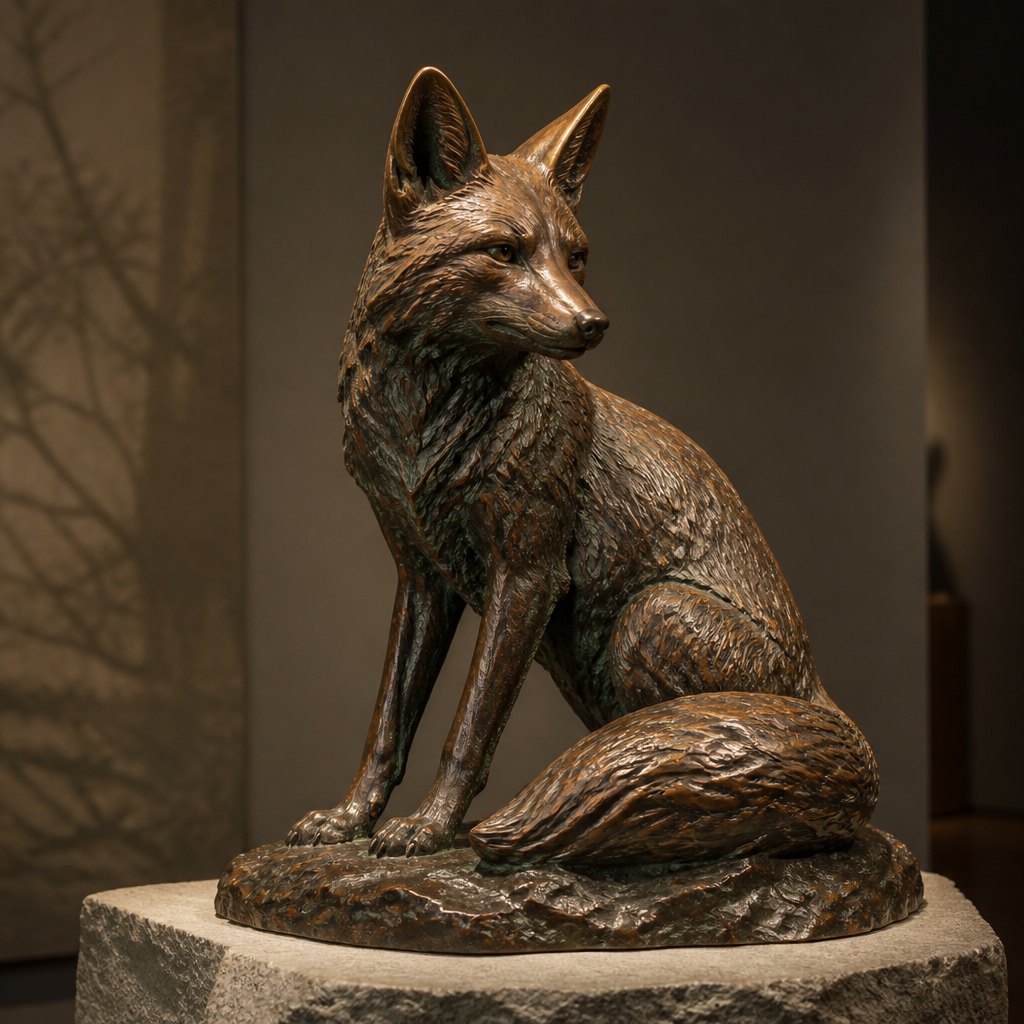 AI-generated
Try it with AI
Get the Bronze Casting look in a generator
Ask for 'cast bronze sculpture' or 'lost-wax bronze' and let material vocabulary do the work: smooth continuous metal surface, fine cast detail, warm brown-green patina, subtle greenish oxidation in recesses, specular highlights where the surface has been polished or handled. Mention foundry cues — visible tool-chasing marks, a slightly imperfect hand-finished surface rather than machine-perfect symmetry — to avoid a plastic or CGI look. Lighting words help: gallery spotlighting, raking light that catches surface texture, warm metallic reflections. Specify hollow-cast weight and scale, life-size or monumental, since bronze reads differently at different sizes.
Frequently asked questions
What is bronze casting?
Bronze casting is a sculpture process that reproduces a wax or clay original in molten bronze, most often using the lost-wax method: a wax model is encased in a mold, melted out, and replaced by poured metal that cools into the final form.
Why is it called 'lost wax'?
Because the wax model is destroyed in the process — melted and burned out of its mold before the bronze is poured — so the original wax is permanently lost, leaving only its shape behind in metal.
Can hobbyists try bronze casting?
Yes, through community foundries and college art programs that offer supervised pours; casting small bronzes solo at home is possible, but the melting and pouring stages need real safety training and equipment.
Why do bronze sculptures turn green?
The greenish patina is a natural oxide layer forming on the copper in the alloy, sometimes sped up by artists with chemical treatments — it protects the metal underneath and is part of the finished look, not decay.