 Art
Art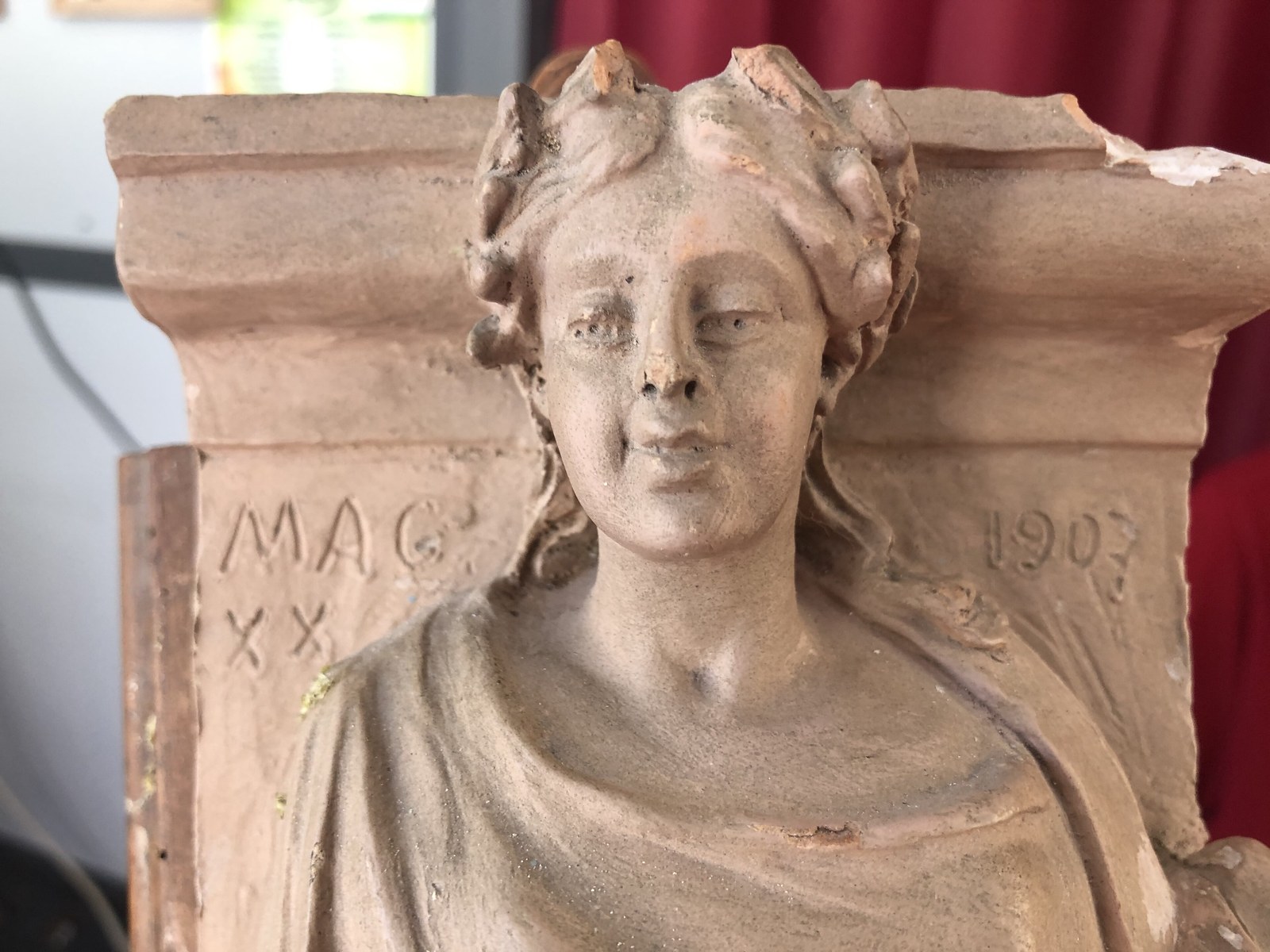
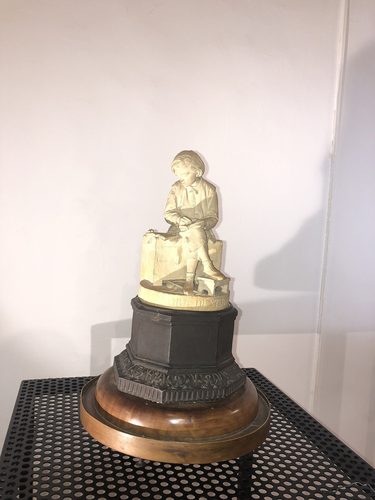
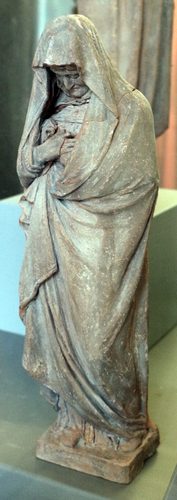
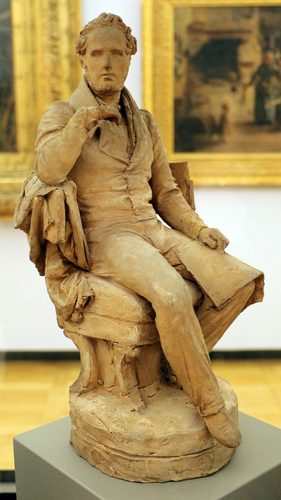
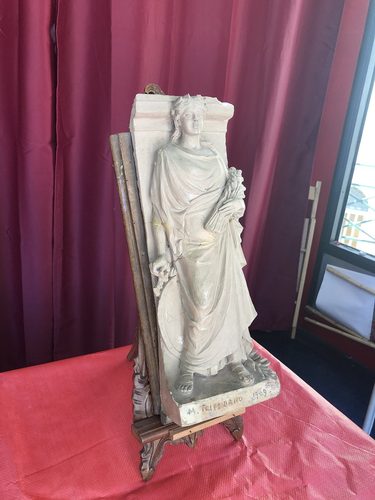
Clay modeling is a sculpture technique that builds form by adding and pushing soft, workable clay into shape, rather than removing material as in carving. Because clay stays plastic for hours or days, artists can push, pinch, coil, or slab-build a figure, pause to study it, then rework sections that aren't working — an additive, forgiving process that suits fast sketching as much as finished sculpture. Sculptors reach for clay modeling to work out a pose or composition quickly before committing to a more permanent material, which is why small modeled studies are called bozzetti: three-dimensional sketches used to test a sculpture's proportions and movement before scaling up. Modeled clay can stand alone once fired into ceramic, or serve as the intermediate step toward bronze casting, where the clay or a wax copy of it becomes the sacrificed original that a mold reproduces in metal. The technique rewards touch and observation over technical mastery of tools.
How to spot it
- 01Soft, rounded transitions between forms rather than crisp carved edges.
- 02Visible fingerprints, thumb presses, or tool-drag marks left in the surface.
- 03Coil or slab seams on larger, hollow-built pieces.
- 04A slightly asymmetrical, hand-built feel even in finished bronze casts made from clay originals.
- 05Small, loosely finished studies (bozzetti) with rough, gestural surfaces.
The Clay Modeling workshop card
An afternoon to start; years to master form.Materials
- water-based modeling clay or oil-based plasteline
- wire or wood armature
- wooden modeling tools and wire loop tools
- sculpting stand or banding wheel
- damp cloth and spray bottle
- kiln, if firing into ceramic
- calipers for measuring proportions
Steps
- 1
Build an armature
For anything taller than a fist, start with a wire or wood frame to support the clay's weight and keep the piece from sagging or cracking as it grows.
- 2
Rough in the mass
Block in the big volumes first — head, torso, limbs — as simple geometric shapes before any detail, establishing proportion and pose while changes are still cheap.
- 3
Work from the whole
Move around the entire piece rather than finishing one area at a time, comparing angles constantly so no single view gets overworked while every other side lags behind it.
- 4
Push and pull the surface
Add clay by pressing new material into the form, and subtract by dragging tools across the surface, letting the two actions balance each other into believable volume.
- 5
Keep the clay workable
Mist the piece with water and cover it in plastic between sessions so the surface doesn't dry out and crack before you're ready to keep working on it.
- 6
Refine details last
Save fine detail, surface texture, and small features for the final working sessions, once the underlying structure, pose, and proportions are already correct and settled.
- 7
Decide the piece's fate
Choose whether the model will be fired as ceramic, cast in bronze, or kept as a working study; each path changes how much finishing the surface needs.
Classic mistakes
Skipping the armature
Building a tall or extended form with no internal support invites slumping and cracks as the clay's own weight works against it.
Overworking one area
Polishing a single section to death while the rest stays rough throws off the whole piece's proportion; step back and compare it as a whole often.
Letting clay dry unevenly
Thin parts like fingers or ears dry and crack faster than thick masses; keep the whole piece evenly damp, not just the section you're touching.
Trapping air in solid clay
A solid clay mass with pockets of trapped air can crack or shatter in the kiln; hollow out thick forms or vent them before firing.
Where it comes from
Modeling in clay is one of humanity's oldest sculptural habits, practiced wherever workable clay was available, from prehistoric figurines to ancient Mesopotamian, Egyptian, Greek, and Chinese ceramic and terracotta traditions. Renaissance and Baroque sculptors used small clay bozzetti to plan large-scale marble and bronze commissions, letting patrons see a composition before the expensive work of carving or casting began. Clay modeling remained central to academic sculpture training well into the twentieth century, taught as the fastest way to develop a feel for volume and proportion. Today it survives both as a fine-art medium in its own right, fired into stoneware or terracotta, and as the essential first step in bronze casting, where a modeled clay or wax original is the pattern a foundry mold reproduces in metal.
See it done perfectly
| Work | Maker | Date | What to look at |
|---|---|---|---|
| Terracotta Army | Unknown (Qin dynasty artisans) | c. 210 BCE | Thousands of individually modeled clay soldiers, each with distinct facial features and armor. |
| Venus of Dolní Věstonice | Unknown | circa 26,000 years ago | Among the oldest known fired-clay sculptures, a small modeled human figure. |
| Nok terracotta figures | Unknown (Nok culture) | c. 500 BCE–200 CE | Early West African modeled and fired clay figures with distinctive stylized faces. |
 AI-generated
Try it with AI
Get the Clay Modeling look in a generator
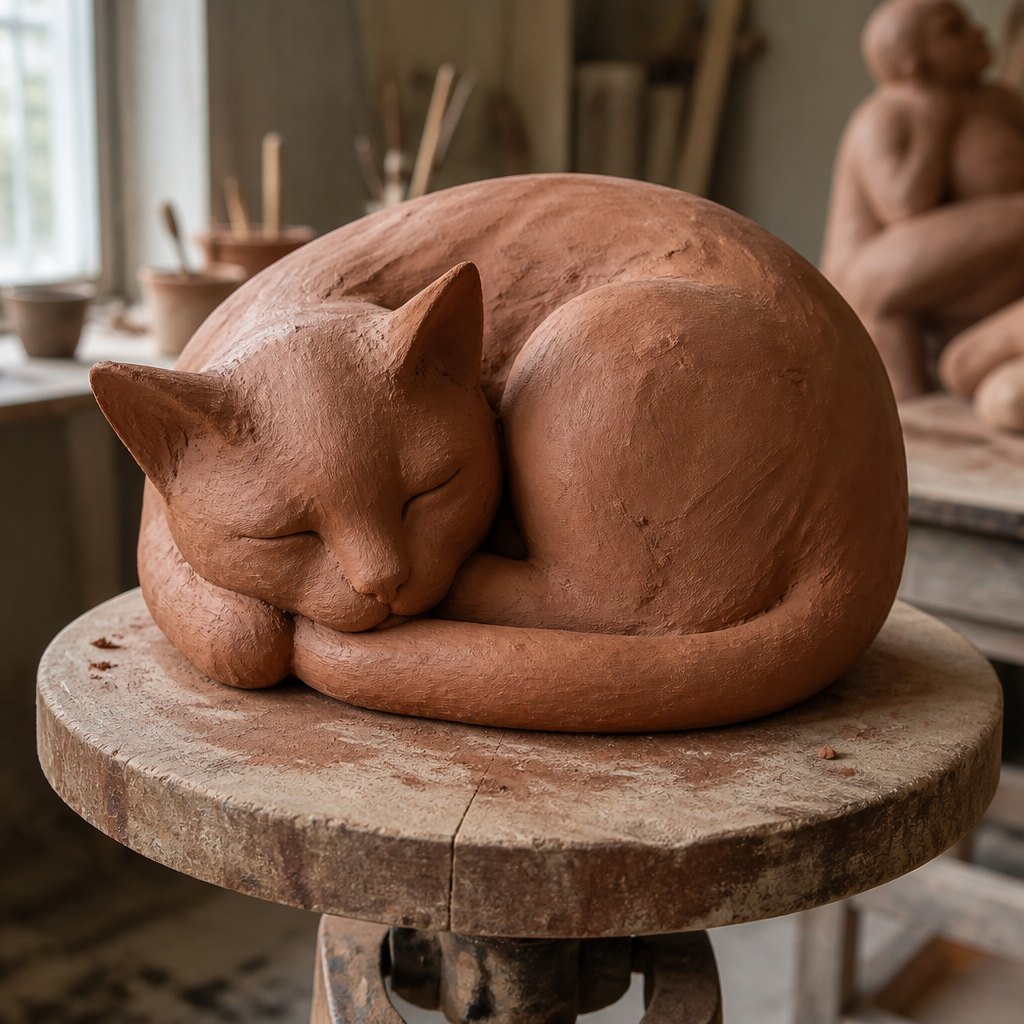
Prompt for 'hand-modeled clay sculpture' or 'terracotta figure' to get the additive, hand-built look: soft rounded transitions, visible fingerprint and tool-drag texture, a slightly uneven, asymmetrical surface rather than machine-smooth. Add material words like unfired clay, matte terracotta, or wet clay sheen for different finishes. Studio lighting with soft shadows reads as a modeling session in progress; a pedestal or banding wheel signals sculpture rather than pottery. Keep proportions slightly loose and gestural for a study or bozzetto feel, or fully resolved and smooth-blended for a finished figurative piece.
Frequently asked questions
What is clay modeling?
Clay modeling is a sculpture technique that builds form by adding and shaping soft clay with the hands and tools, rather than carving material away — the same additive approach used for quick studies and finished ceramic or bronze-bound sculpture alike.
What's the difference between modeling and carving?
Modeling adds material to build a form, using soft, reworkable clay; carving removes material from a solid block like stone or wood. Modeling is faster to correct; carving is permanent once cut.
Can modeled clay become a bronze sculpture?
Yes — a common path casts the finished clay model, or a wax copy of it, using the lost-wax method, so the soft original becomes the pattern for a permanent bronze.
Do I need to fire clay to keep it?
Only if you want a permanent ceramic piece; water-based clay must be fired in a kiln to harden it, while oil-based plasteline never hardens and stays reworkable indefinitely.