 Art
Art![Memorial tablet for the lords of Montfoort.[1] — Wood Carving](https://media.arttechniques.com/encyclopedia/wood-carving/commons-0.jpg)
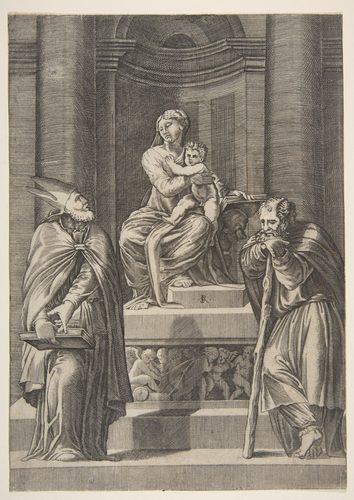
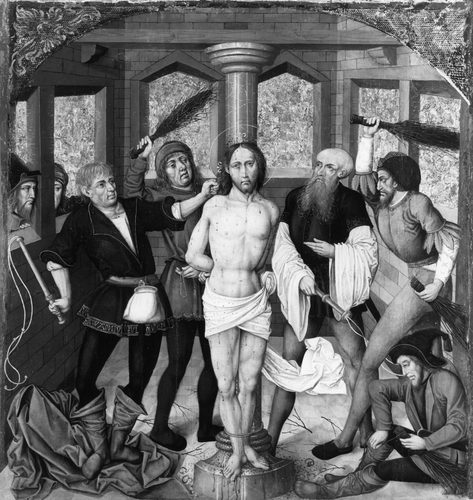
Wood carving is a subtractive sculpture technique in which an artist cuts, chisels, or gouges a solid piece of wood to remove material and reveal a form, whether a freestanding figure, relief panel, or decorative detail. Wood's grain—the direction its fibers run—governs the whole process: cutting with the grain slices cleanly, while cutting against it tends to tear or split the surface, so a wood carver constantly reads and works with the material's natural structure rather than against it. Compared with stone, wood is lighter, faster to carve, and more forgiving of tool control, but it is also more vulnerable to cracking, warping, and insect or moisture damage over time. Artists reach for wood carving when they want warmth, relative speed, and the option of paint or gilding over the carved surface, as well as the option to leave the natural grain and tool marks visible as part of the finished piece.
How to spot it
- 01Visible wood grain running through and shaping the surface of the carved form
- 02Faceted gouge marks left as deliberate surface texture, especially in folk and relief carving
- 03Painted or gilded surfaces over carved detail, common in devotional and decorative work
- 04Relief carvings where the background is cut away to leave the image raised
- 05Thinner, more extended forms than stone carving typically allows, since wood is lighter and stronger in tension
The Wood Carving workshop card
a weekend for simple work, years to masterMaterials
- seasoned hardwood or softwood block
- carving mallet
- gouges in various sweeps and sizes
- V-tool and flat chisels
- carving knife for detail work
- rasps and rifflers
- sandpaper for finishing
- wood finish, oil, or paint
Steps
- 1
Choose and season your wood
Pick a species suited to your design—soft woods like basswood carve easily, hardwoods hold finer detail—and make sure it's properly dried to avoid future cracking.
- 2
Read the grain
Study which direction the wood fibers run before cutting, since carving with the grain gives clean cuts and against it tends to tear or split.
- 3
Rough out the form
Remove large volumes of waste wood quickly with a mallet and gouge, or a saw, staying outside your final lines to leave room for refinement.
- 4
Define major forms
Work with progressively smaller gouges and chisels to establish accurate proportions and the main planes of the design before moving on to any finer detail.
- 5
Carve with the grain
Make your finishing cuts running with the grain wherever possible, and take lighter passes near end grain, where the wood is most likely to split.
- 6
Add surface detail
Use a sharp carving knife or small V-tool for fine texture, feathers, folds, or facial features, working slowly since carving mistakes are hard to reverse.
- 7
Sand and finish
Smooth the whole surface through progressively finer sandpaper if a polished look is wanted, or leave the raw tool marks visible for a hand-carved texture.
- 8
Seal the wood
Apply oil, wax, or paint to protect the finished surface from moisture and regular handling, since untreated wood can crack or discolor steadily over time.
Classic mistakes
Cutting against the grain
Carving into the grain instead of with it tears the wood fibers and leaves a rough, splintered surface instead of a clean cut.
Removing too much at once
Taking overly deep cuts risks splitting the wood or cutting past your intended form, since removed wood can't be replaced.
Ignoring end grain
Wood is most fragile right at the end grain; heavy or careless cuts there are a common cause of unexpected splits.
Skipping seasoning
Carving unseasoned, still-wet wood often leads to unexpected cracking and warping as the finished piece slowly dries out over time.
Where it comes from
Wood carving is one of the oldest sculptural traditions worldwide, practiced independently across nearly every culture for tools, architecture, ritual objects, and figurative sculpture. Because wood decays far more easily than stone, very few ancient examples survive, though the craft clearly flourished continuously. Medieval and early modern Europe produced an especially rich tradition of carved and painted wooden altarpieces and religious figures, with German and other Northern European workshops particularly celebrated for intricate limewood carving in the late Gothic period. Wood carving also thrived as folk and decorative art worldwide, from architectural ornament to ship figureheads to mask-making traditions, valued for being faster and more accessible than stone. It remains widely practiced today, from traditional figurative and relief carving to contemporary sculptural and craft work.
See it done perfectly
| Work | Maker | Date | What to look at |
|---|---|---|---|
| Carved limewood altarpieces | Tilman Riemenschneider | late 15th–early 16th century | Renowned for extraordinarily fine, expressive limewood figures, often left unpainted to show the carving itself. |
| Ornamental limewood relief carvings | Grinling Gibbons | late 17th century | Famous for astonishingly naturalistic swags of flowers, fruit, and lace carved in high relief from limewood. |
| West African figurative and mask carving traditions | Unknown | centuries-old, ongoing | Diverse regional traditions of wood figure and mask carving, prized for bold formal simplification and surface pattern. |
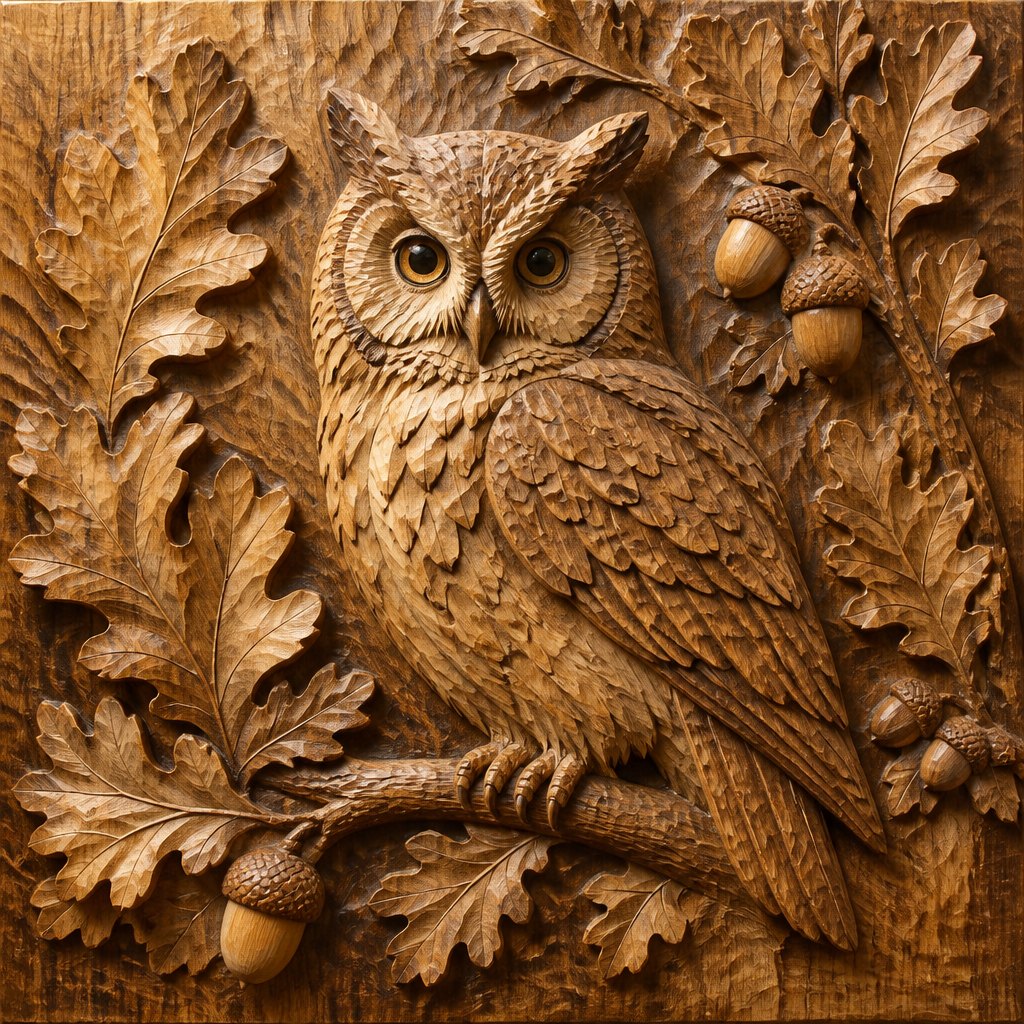 AI-generated
Try it with AI
Get the Wood Carving look in a generator
To suggest wood carving in an AI prompt, describe grain and tool texture: 'carved wood grain,' 'faceted gouge marks,' or 'warm hand-carved wood surface.' Mention whether the wood is left natural or painted—'natural wood finish with visible grain' or 'painted and gilded carved surface' both read clearly. Words like 'chiseled,' 'relief carving,' and 'wood-toned' help steer the material. Lighting that rakes across the surface shows tool facets convincingly. Avoid describing cold, hard, mineral, or polished-stone textures, since wood carving should read as warmer, lighter, and grain-textured rather than heavy or mineral.
Frequently asked questions
What is wood carving?
Wood carving is a subtractive sculpture technique that cuts, chisels, or gouges a solid piece of wood to remove material and reveal a form, working with the grain's natural direction.
Why does the grain matter so much in wood carving?
Wood fibers run in one direction, and cutting with that direction gives clean cuts, while cutting against it tears or splits the surface, so carvers constantly read the grain as they work.
Is wood carving easier than stone carving?
Generally yes—wood is lighter, faster to remove, and more forgiving of tool control, though it's more prone to cracking, warping, and decay over time than stone.
What tools do beginners need to start wood carving?
A basic set of a few gouges, a carving knife, and a soft, easy-to-carve wood like basswood is enough to start learning the fundamentals.