 Art
Art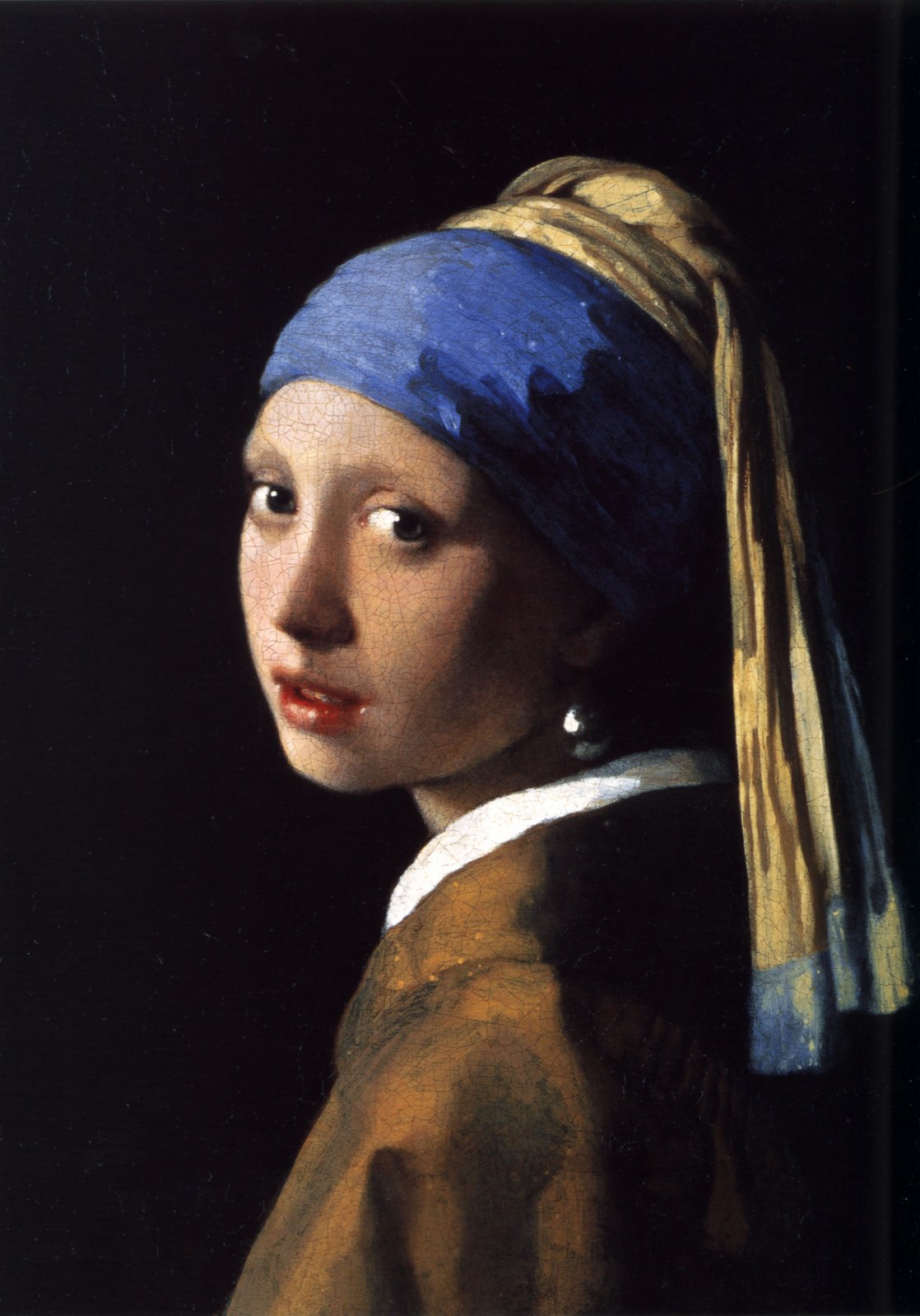
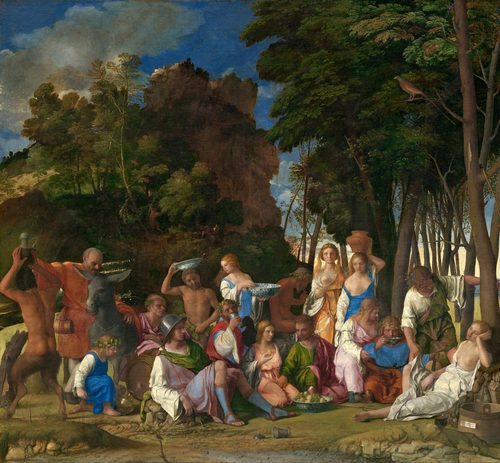
Glazing is a painting technique in which a thin, transparent layer of color is brushed over an already dried layer of paint, letting the color and light of the layer beneath show through and mix optically with the new glaze on top. Rather than mixing colors on the palette, glazing mixes them in the eye—light passes through the glaze, bounces off the layer below, and passes through the glaze again, producing a luminous depth that opaque, directly mixed color can't quite match.
Artists reach for glazing to deepen shadows without muddying them, to shift a color's temperature without repainting it, or to unify a passage that feels disjointed by pulling a single translucent tone across it. The technique depends entirely on patience, since each glaze must be fully dry before the next is applied, and it rewards painters willing to build a picture up gradually across many working sessions rather than finishing a passage in one sitting.
How to spot it
- 01Colors that seem to glow from within rather than sit flatly on top
- 02Rich, deep shadows with visible warmth or color rather than flat black
- 03A subtle sheen where thin, layered color catches the light
- 04Smooth, jewel-like color transitions with no visible brushwork
- 05Areas where an underlying color subtly shifts the tone of the layer above it
The Glazing workshop card
Weeks between sessions for full drying timeMaterials
- oil paint in transparent or semi-transparent pigments
- glazing medium to thin paint without weakening its film
- soft, wide brushes for even application
- fully dried underpainting to glaze over
- clean rags for wiping back a glaze while it's wet
- varnish to protect finished glazed layers
Steps
- 1
Finish and dry the underpainting
Complete the value and color structure beneath the glaze first, since glazing shifts and enriches existing color rather than building form from nothing. The underlayer must be completely dry to the touch.
- 2
Choose a transparent pigment
Select paints known for transparency rather than opacity, since an opaque color glazed on top will simply cover the layer beneath instead of letting it show through.
- 3
Thin the paint with medium
Mix color with enough medium to make it fluid and genuinely see-through, testing the transparency on a scrap surface before committing it to the actual painting so you know what to expect.
- 4
Apply in a thin, even film
Brush the glaze across the surface in a single smooth pass, avoiding heavy buildup in any one spot that would break the transparent effect and start to look opaque instead.
- 5
Wipe back areas that stay lighter
While the glaze is still wet, use a soft rag or dry brush to lift color from any area you want to remain closer to the underpainting's original tone.
- 6
Let each glaze dry completely
Resist adding a second glaze while the first is still tacky, since wet layers will blend together and lose the distinct optical depth that separate, dried glazes produce.
- 7
Build depth across several glazes
Apply multiple thin glazes over several sessions rather than one heavy layer, since each dried pass adds richness and depth without ever fully obscuring the color and light of what's underneath.
Classic mistakes
Glazing over paint that isn't dry
Applying a glaze too soon drags the wet paint beneath into the new layer, muddying both instead of letting them combine optically.
Using opaque paint for a glaze
Opaque pigments cover rather than tint the layer beneath, defeating the purpose of glazing. Check a color's transparency before relying on it for this technique.
Applying glazes too thick
A heavy glaze behaves like ordinary opaque paint and blocks the underlayer instead of letting light pass through it. Keep each layer genuinely thin.
Skipping a plan for the underpainting
Glazing over a weak or unfinished underlying structure just tints the same problems rather than fixing them. Get the drawing and values right first.
Where it comes from
Glazing became central to painting once oil paint offered a slow-drying, translucent medium suited to it, with Early Netherlandish painters like Jan van Eyck in the early 1400s using dozens of thin glazes to achieve extraordinarily rich, luminous color. The technique remained standard studio practice through the Renaissance and Baroque periods, letting painters build glowing shadows and jewel-toned drapery layer by layer over a more solid underpainting. It required real patience, since each glaze had to dry before the next was applied, sometimes stretching a single painting's completion over months or years. Glazing declined somewhat with the rise of direct, wet-into-wet painting methods favored by the Impressionists in the 1800s, who prized speed and spontaneity, but it remains a core technique taught to painters seeking depth and luminosity that direct mixing alone can't produce.
See it done perfectly
| Work | Maker | Date | What to look at |
|---|---|---|---|
| Arnolfini Portrait | Jan van Eyck | 1434 | Dozens of fine oil glazes give the fabric and metal surfaces an almost jewel-like glow. |
| Girl with a Pearl Earring | Johannes Vermeer | c. 1665 | Layered glazes give the turban and skin a soft, luminous depth impossible with flat, opaque paint. |
| The Night Watch | Rembrandt | 1642 | Warm glazes deepen the shadows into rich, glowing browns rather than flat black. |
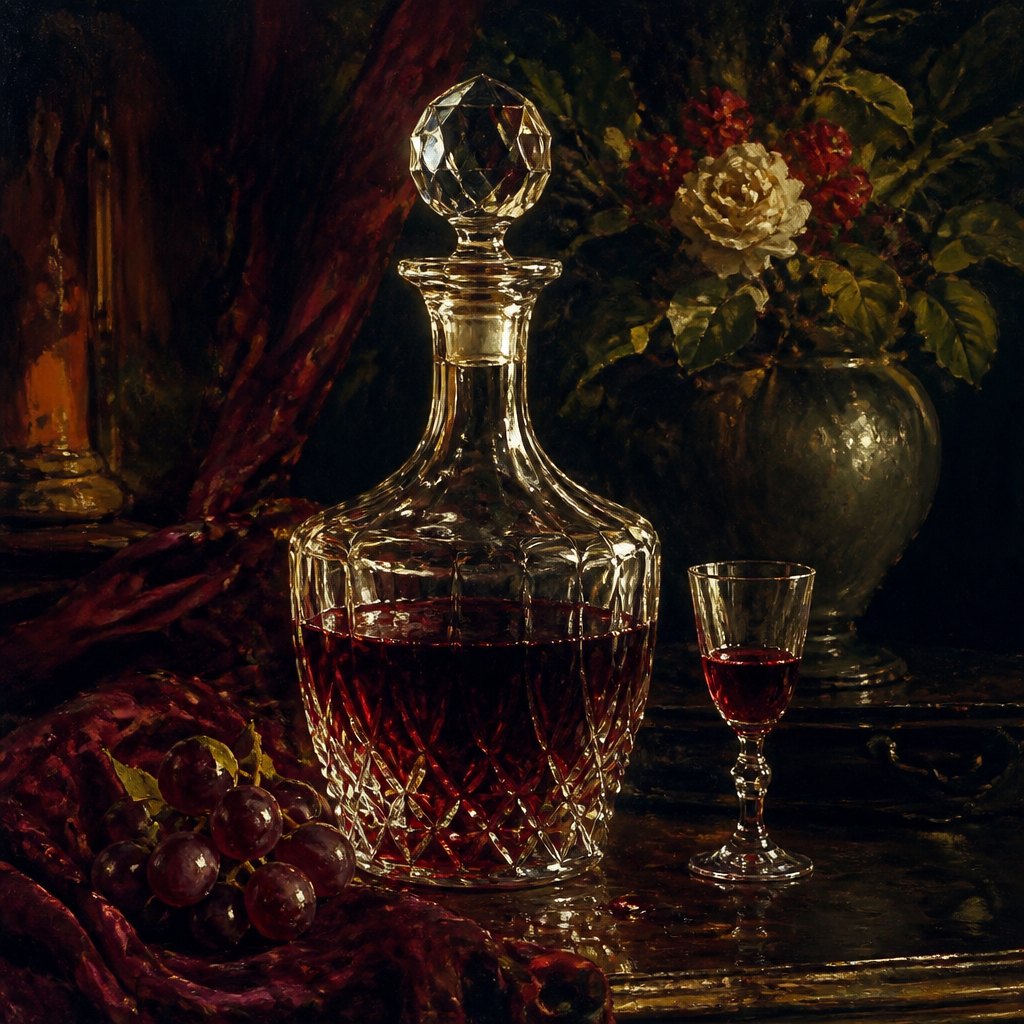 AI-generated
Try it with AI
Get the Glazing look in a generator
To evoke glazing in an AI generator, describe the luminous, layered quality: 'translucent glazed color,' 'glowing layered paint,' 'jewel-toned depth,' or 'light passing through thin color layers.' Terms like 'rich, luminous shadows' and 'optical color mixing' push toward the glow glazing produces rather than flat, directly mixed paint. Adding 'classical oil painting technique' reinforces the layered, patient buildup. Avoid 'matte' or 'flat opaque color,' which describe the opposite of glazing's transparent, light-catching effect.
Frequently asked questions
What is glazing in painting?
Glazing is a technique where a thin, transparent layer of color is brushed over dried paint, letting light pass through and reflect back for a glow that opaque color alone can't achieve.
How is glazing different from regular color mixing?
Regular mixing blends colors on the palette before applying them. Glazing lets colors combine optically on the canvas itself, with light traveling through layers rather than pigments physically merging.
Can I glaze with acrylic paint?
Yes—acrylic glazing mediums thin paint into transparent layers that dry quickly, making the process much faster than oil, though some painters feel oil glazes achieve a richer glow.
Why do glazes need to dry completely between layers?
Applying a new glaze over wet paint mixes the two physically instead of letting them interact optically, muddying the color and losing the layered depth glazing is meant to create.