 Art
Art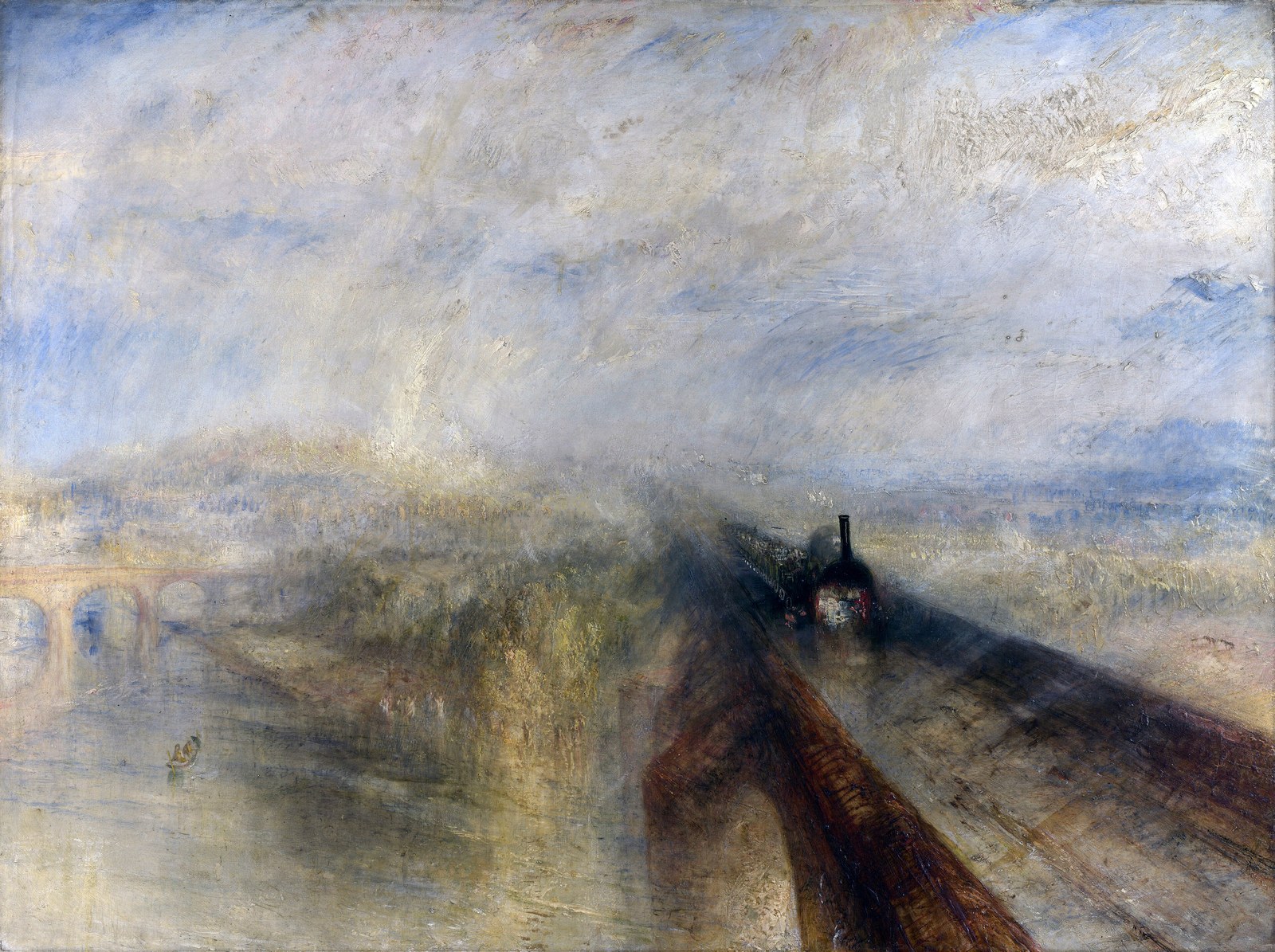
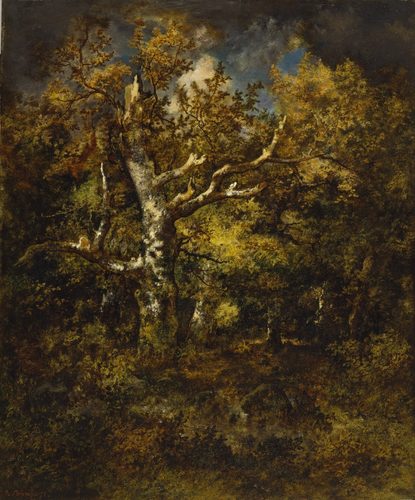
Scumbling is a technique where a thin, broken layer of light, relatively dry paint is dragged over a dried darker layer, allowing the underlying color to show through in patches rather than being fully covered. It sits opposite glazing: glazing smooths a transparent film evenly over a surface, while scumbling stays rough and irregular, catching only the raised tooth of the canvas or panel and skipping the recesses.
The broken, uneven coverage is the whole point. Because the eye blends the visible fragments of the layer below with the scumbled color on top, the result reads as soft, atmospheric, and optically mixed rather than flatly colored. Painters use it to suggest mist, smoke, weathered stone, distant hills, or the soft diffusion of light falling across a form. It is a fast, forgiving way to add luminosity and depth to a passage that feels too solid or too dark, without repainting it from scratch.
How to spot it
- 01A hazy, broken film of pale color letting darker paint show through in patches.
- 02Rough, dry brush marks that catch canvas texture instead of covering it smoothly.
- 03Soft, veiled edges where forms seem to dissolve into mist or shadow.
- 04Cooler or lighter passages sitting over warmer, darker ground without fully hiding it.
- 05A slightly chalky, dusty look distinct from smooth, glassy glazed surfaces.
The Scumbling workshop card
An afternoon to learn, years to masterMaterials
- hog-bristle flat or filbert brush
- small amount of stand oil or alkyd medium
- opaque light-value paint for mixing highlights
- a fully dried underlayer to scumble over
- lint-free rag for lifting excess paint
- palette knife for mixing a stiff, dry paint film
Steps
- 1
Let the underlayer dry
Scumbling only works over a paint film that has skinned over or fully cured — wet-into-wet turns it into blending, not scumbling. Wait until the surface is dry to the touch, ideally a hard, matte dry rather than tacky.
- 2
Mix a dry, stiff paint
Load the brush with paint that has little to no medium — thick, tacky, almost dry to the touch. Too much oil or water and the color will slide into the layer below instead of catching only the high points.
- 3
Drag, don't press
Pull the brush lightly and quickly across the surface at a shallow angle, using minimal pressure. The bristles should skim the raised texture and skip the low spots, leaving the underlayer visible in the gaps.
- 4
Work in thin, broken passes
Build the effect gradually with several light passes rather than one heavy one. Each pass should look patchy and incomplete on its own — density builds through layering, not through loading more paint at once.
- 5
Vary the direction
Change the angle of each pass so the broken color doesn't form a repetitive pattern. Crossing strokes at different angles keeps the veil looking natural rather than mechanically hatched.
- 6
Check it from a distance
Step back frequently — scumbling reads as an optical blend that only resolves at viewing distance. Up close it can look chalky or uneven; that roughness is exactly what should disappear from across the room.
- 7
Soften edges with a dry brush
If a scumbled passage needs to melt into its surroundings, drag a clean, dry brush lightly across the boundary to feather it without disturbing the broken texture underneath.
Classic mistakes
Scumbling over wet paint
Working into a still-wet underlayer blends the two colors completely instead of leaving broken patches, killing the optical effect. Always wait for a firm, dry surface first.
Paint too loaded with medium
Thin, oily paint slides and covers evenly instead of catching only the high points, turning a scumble into an accidental glaze. Keep the mixture dry and stiff.
Pressing too hard
Heavy pressure forces paint into every crevice and erases the broken, patchy quality that makes scumbling read as atmosphere rather than flat color.
Covering too much at once
Trying to finish the effect in a single pass usually over-covers the underlayer. Build density with several thin, light passes instead.
Where it comes from
Scumbling grew out of the layered oil-painting methods developed in Northern and Italian workshops during the Renaissance, where painters built pictures in stages to control light and atmosphere. It became a signature device of Baroque painting, prized for rendering flesh, drapery, and hazy backgrounds with a soft, breathing quality that flat color couldn't match. Later, Romantic and early modern landscape painters leaned on scumbling to capture atmospheric effects like fog, dust, and shifting light, dragging broken color across a canvas to suggest movement and air rather than describe it in detail. The technique remained a core studio habit through the nineteenth century and is still taught today as a way to soften, unify, or add glow to an otherwise flat passage.
See it done perfectly
| Work | Maker | Date | What to look at |
|---|---|---|---|
| Late devotional and mythological paintings | Titian | mid-16th century | Broken, dragged highlights over darker grounds give flesh and drapery a smoky, breathing glow. |
| Portraits and self-portraits | Rembrandt van Rijn | 1650s–1660s | Scumbled highlights on aging skin catch real light while the shadows stay warm and transparent. |
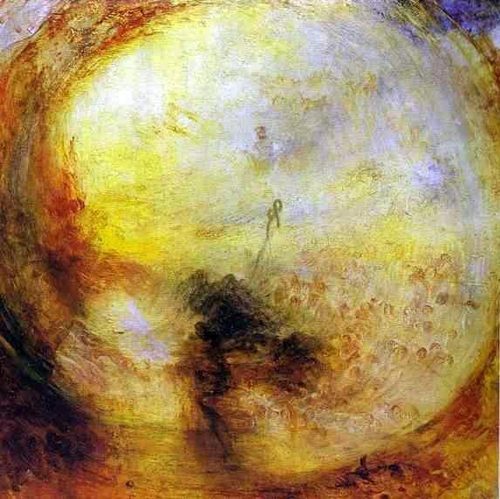
| Late atmospheric landscapes and seascapes | J.M.W. Turner | 1830s–1840s | Veils of scumbled color dissolve horizon lines into fog, steam, and light. |
| Landscape backgrounds in society portraits | Thomas Gainsborough | 1770s–1780s | Feathery scumbles of pale greens and grays flicker over dark foliage to suggest movement and air. |
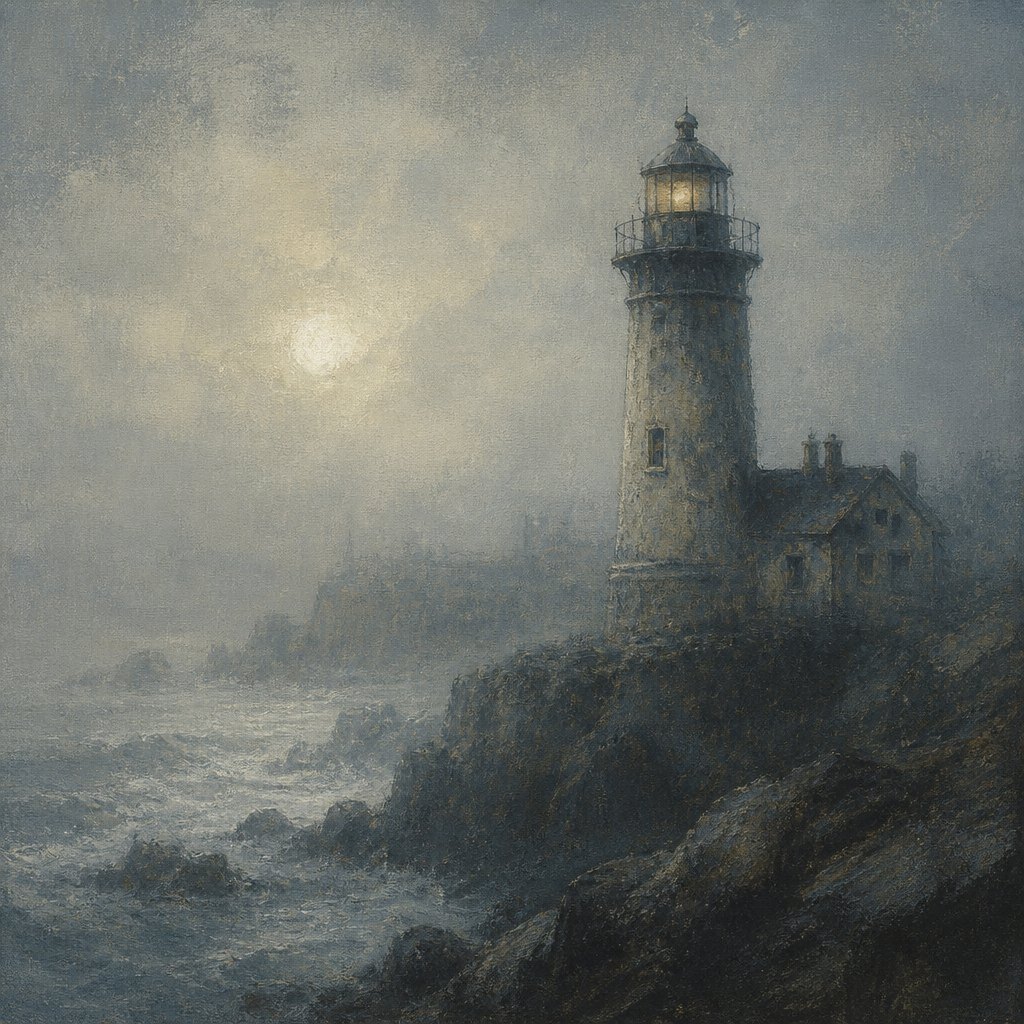 AI-generated
Try it with AI
Get the Scumbling look in a generator
To evoke scumbling in an AI image generator, call for a broken, hazy paint layer: 'thin dry-brushed paint,' 'scumbled highlights,' 'veiled, atmospheric color,' or 'chalky, broken brushwork over a darker ground.' Pair it with soft, diffused lighting words like 'misty,' 'hazy glow,' or 'light filtering through fog.' Mentioning 'visible canvas texture,' 'optical color mixing,' or 'dry pigment catching the surface' pushes the model toward the rough, patchy coverage that defines the look, rather than a smooth, evenly blended finish.
Frequently asked questions
What is scumbling in painting?
Scumbling is applying a thin, broken layer of light, dry paint over a dried darker layer so the color underneath shows through in patches. It creates a soft, hazy, optically mixed effect used for atmosphere, light, and depth.
How is scumbling different from glazing?
Glazing uses smooth, transparent color evenly over a surface; scumbling uses drier, more opaque color applied unevenly so it only catches the raised texture, leaving gaps where the underlayer shows through.
Can I scumble with acrylics?
Yes. Acrylics dry fast, which makes timing easier than oils — just keep the paint dry and thick rather than watered down, and drag it lightly so it catches texture instead of covering evenly.
Does scumbling work on paper or only canvas?
It works on any surface with enough tooth to catch a dry brush — textured watercolor paper, canvas, or panel all take a scumble. Smooth, slick surfaces resist the broken, catching quality the technique needs.