 Art
Art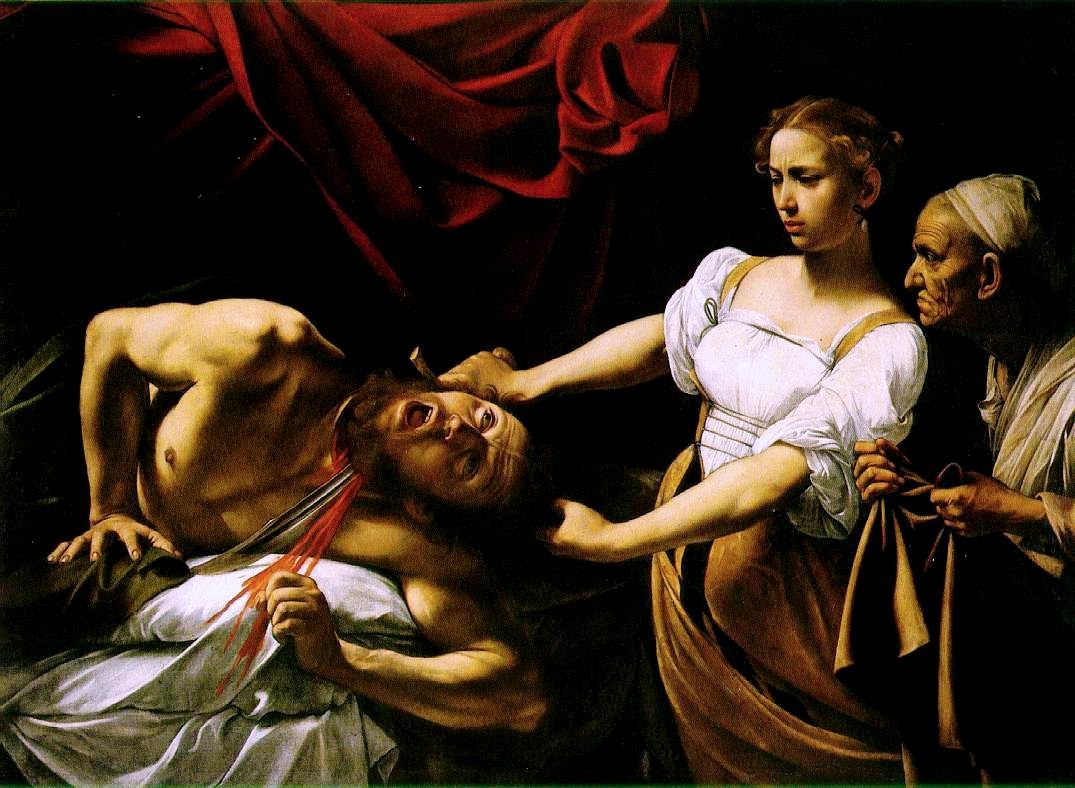
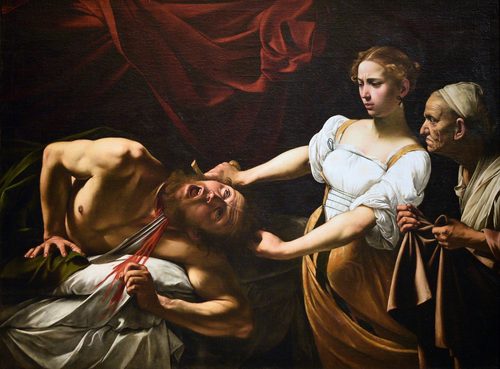
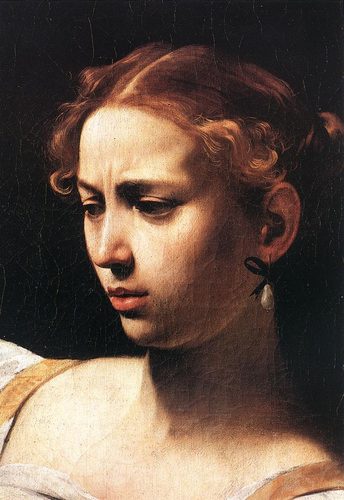
Tenebrism is a painting technique, and an extreme form of chiaroscuro, in which most of the canvas is submerged in near-total darkness while a small portion of the scene is struck by an intense, focused light. Rather than a gradual, sculptural transition between light and shadow, tenebrism favors a sudden, almost violent contrast—figures seem to emerge out of a black void rather than sit within a fully lit room.
Artists reach for tenebrism when they want a scene to feel urgent, theatrical, or emotionally raw, since the technique strips away setting and context and forces attention onto whatever the light happens to touch: a face, a hand, a single gesture. Because the background disappears into darkness, tenebrism also flattens the sense of a specific place, giving a scene a timeless, stage-lit quality. It became closely associated with Baroque religious and narrative painting in the early 1600s, where its stark drama suited scenes of high emotional or spiritual intensity.
How to spot it
- 01A pitch-black or nearly featureless background with no visible setting
- 02One small, intensely lit area surrounded by deep, engulfing shadow
- 03Figures that seem to emerge from darkness rather than stand within a room
- 04Almost no gradual transition—light and dark meet abruptly
- 05A theatrical, stage-lit quality with a strong single spotlight feel
The Tenebrism workshop card
Straightforward to set up, hard to masterMaterials
- oil paint in a narrow, high-contrast value range
- very dark or black-primed canvas
- a single, tightly controlled light source for reference
- deep umbers and blacks for shadow mixing
- small, focused highlight colors reserved for the lit area
- soft brushes for blending the light's sharp falloff
Steps
- 1
Commit to a black ground
Start on a very dark or black-primed surface so the entire painting begins in shadow, letting light get built up gradually rather than darkness subtracted from an already bright canvas.
- 2
Isolate a single light source
Use one small, tightly focused light in your reference setup, whether it's a lamp, a candle, or a spotlight, and keep every other light off.
- 3
Decide what the light touches
Choose exactly which forms the light will reveal—usually a face, hand, or single object—and let everything else stay swallowed in shadow, even if it means losing detail you'd normally paint in.
- 4
Paint a near-flat void
Cover the areas outside the light with a nearly uniform dark tone before adding any lit forms, establishing the black backdrop the highlight will emerge from.
- 5
Build the lit area's range
Concentrate your lightest lights, richest color, and finest detail entirely within the illuminated patch, since that's the only place in the composition where the viewer's eye will actually linger and study detail.
- 6
Keep the transition abrupt
Let light meet shadow with a harder edge than you would in softer chiaroscuro, reinforcing the sense that the light is a narrow, deliberate beam rather than ambient illumination.
Classic mistakes
Leaving the background too visible
Leaving hints of setting or detail in the shadow areas undercuts tenebrism's whole effect. Push the background further into darkness than feels comfortable.
Softening the transition too much
Gentle, gradual blending between light and dark reads as ordinary chiaroscuro, not tenebrism. Keep the boundary between the two sharper and more sudden.
Spreading the light too broadly
Lighting too much of the composition dilutes the drama. Tenebrism depends on a small, concentrated pool of light against an overwhelming amount of dark.
Where it comes from
Tenebrism emerged in the early 1600s as an intensification of chiaroscuro, most closely associated with Caravaggio, whose paintings plunged backgrounds into total darkness to spotlight a dramatic gesture or expression. The style spread quickly through Italy and Spain, where painters known as the Caravaggisti adopted its stark theatricality for religious and narrative scenes, and it influenced Spanish Baroque painters working in the decades that followed. The technique suited the Counter-Reformation era's appetite for emotionally direct, immediate religious imagery, since stripping away setting made a scene feel like it was happening right in front of the viewer. Tenebrism's influence faded as Baroque painting moved toward lighter, more decorative styles later in the 1600s, but its stark light-dark logic resurfaces constantly in later dramatic painting and in film lighting.
See it done perfectly
| Work | Maker | Date | What to look at |
|---|---|---|---|
| The Calling of Saint Matthew | Caravaggio | 1599–1600 | A single shaft of light cuts through darkness to isolate the pivotal gesture of the scene. |
| Supper at Emmaus | Caravaggio | 1601 | Sudden light isolates the moment of recognition around the table, background lost entirely in shadow. |
| Joseph the Carpenter | Georges de La Tour | c. 1642 | A single candle flame is the only light source, throwing the workshop scene into stark contrast. |
| An Old Woman Cooking Eggs | Diego Velázquez | 1618 | A dark background isolates the cook and her utensils under one strong, focused light source. |
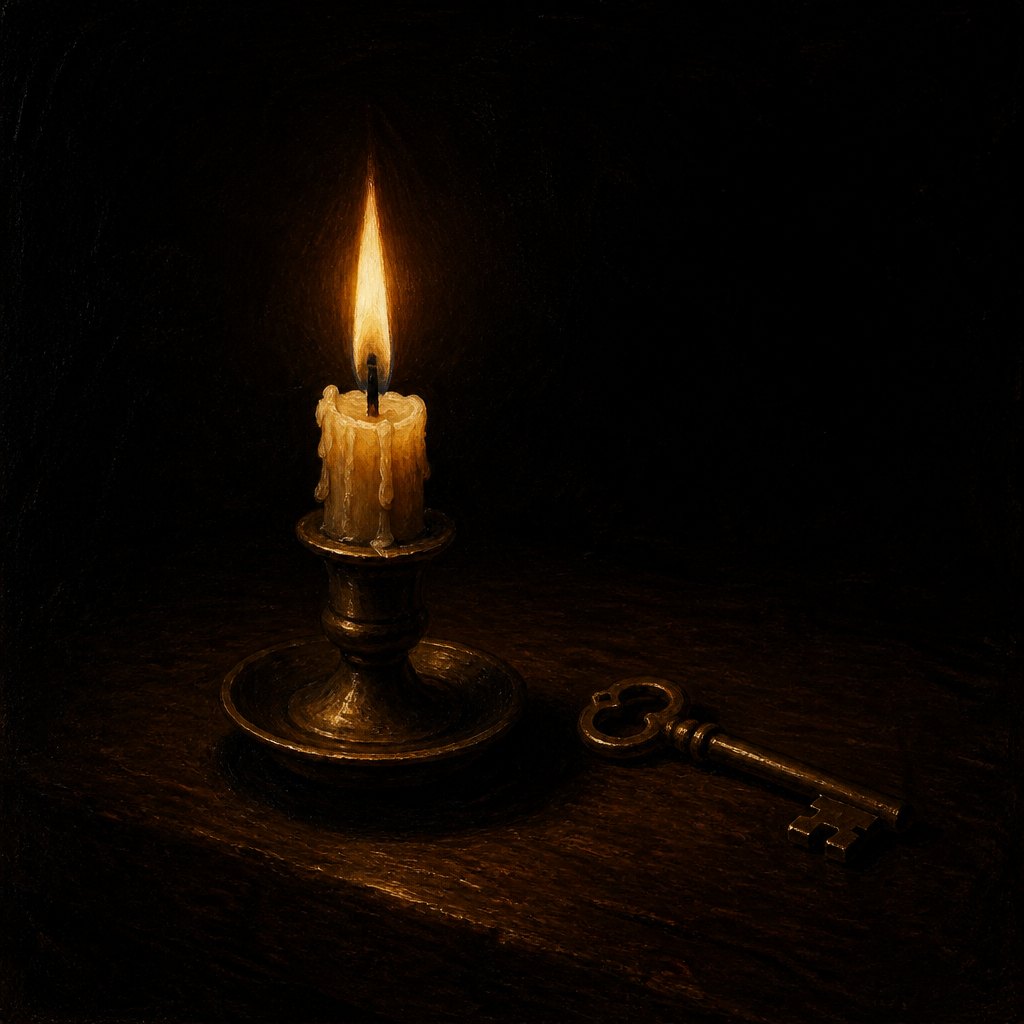 AI-generated
Try it with AI
Get the Tenebrism look in a generator
To evoke tenebrism, push the lighting language toward extremes: 'near-total darkness,' 'single dramatic light source,' 'figure emerging from black shadow,' or 'stark theatrical spotlight.' Emphasize 'no visible background' or 'void-like darkness' to keep the setting swallowed up. Words like 'high-contrast oil painting,' 'sudden light falloff,' and 'candlelit drama' sharpen the effect further. Framing terms like 'isolated subject in darkness' reinforce the theatrical effect even more. Avoid 'evenly lit' or 'soft ambient light,' which flatten the extreme contrast that defines tenebrism.
Frequently asked questions
What is tenebrism?
Tenebrism is a painting technique that plunges most of a composition into near-total darkness, leaving only a small, intensely lit area visible. It's an extreme, theatrical version of chiaroscuro.
How is tenebrism different from chiaroscuro?
Chiaroscuro covers a broad range of light-dark contrast used to model form gently. Tenebrism pushes that contrast to an extreme, with abrupt transitions and backgrounds swallowed almost entirely in black.
Why does tenebrism feel so dramatic?
By hiding the setting and isolating only a small, brightly lit detail, tenebrism forces total focus onto one gesture or expression, giving scenes an intense, stage-lit, almost confrontational quality.
Can tenebrism work in any painting medium?
Yes, though oil paint's rich darks and slow blending make it especially suited to the technique. Digital and acrylic painters can achieve similar effects by controlling value contrast carefully.