 Art
Art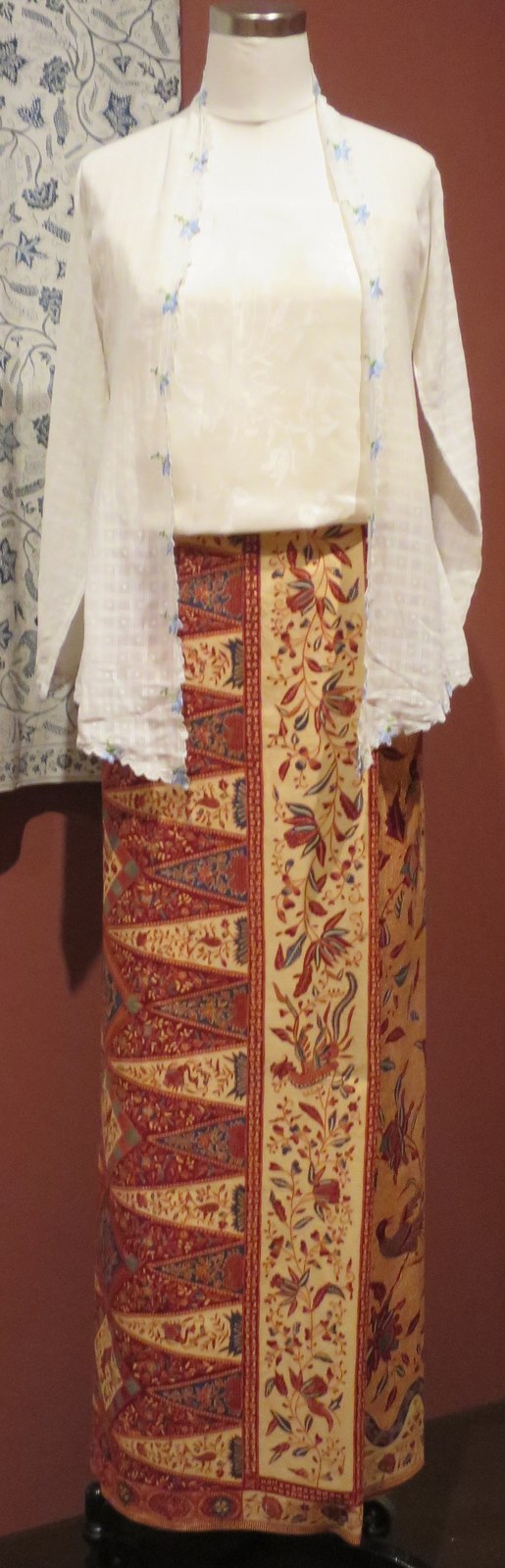
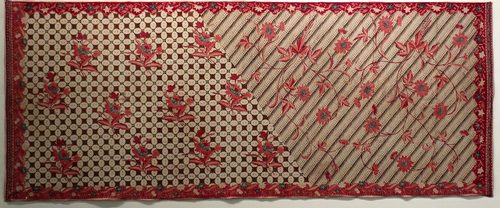
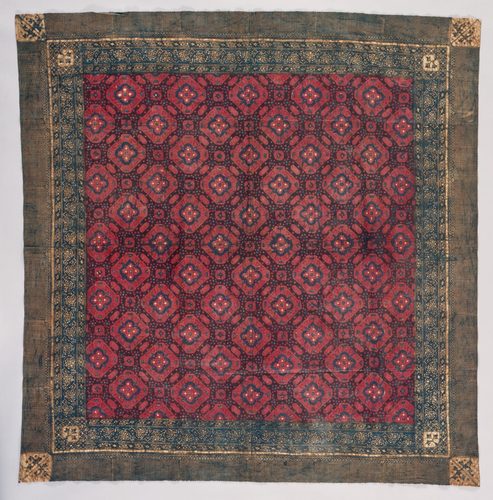
Batik is a resist-dyeing technique in which melted wax is applied to cloth to block dye from soaking into chosen areas, then boiled or ironed away once the color has set. Working from light colors to dark, the artist waxes whatever should keep its current shade, dyes the cloth, and repeats — wax, dye, wax, dye — building up multiple colors, since each new bath only reaches the areas left open. The wax inevitably cracks as the cloth is handled, and dye seeps into those fissures, producing the fine, veined lines that read as unmistakably batik. Artists reach for it because it renders soft, painterly color fields that printing or plain weaving can't match, with a handmade irregularity no machine reproduces. It rewards patience: a five-color cloth means five rounds of drawing, dyeing, and drying before the final wax is removed to reveal the finished design.
How to spot it
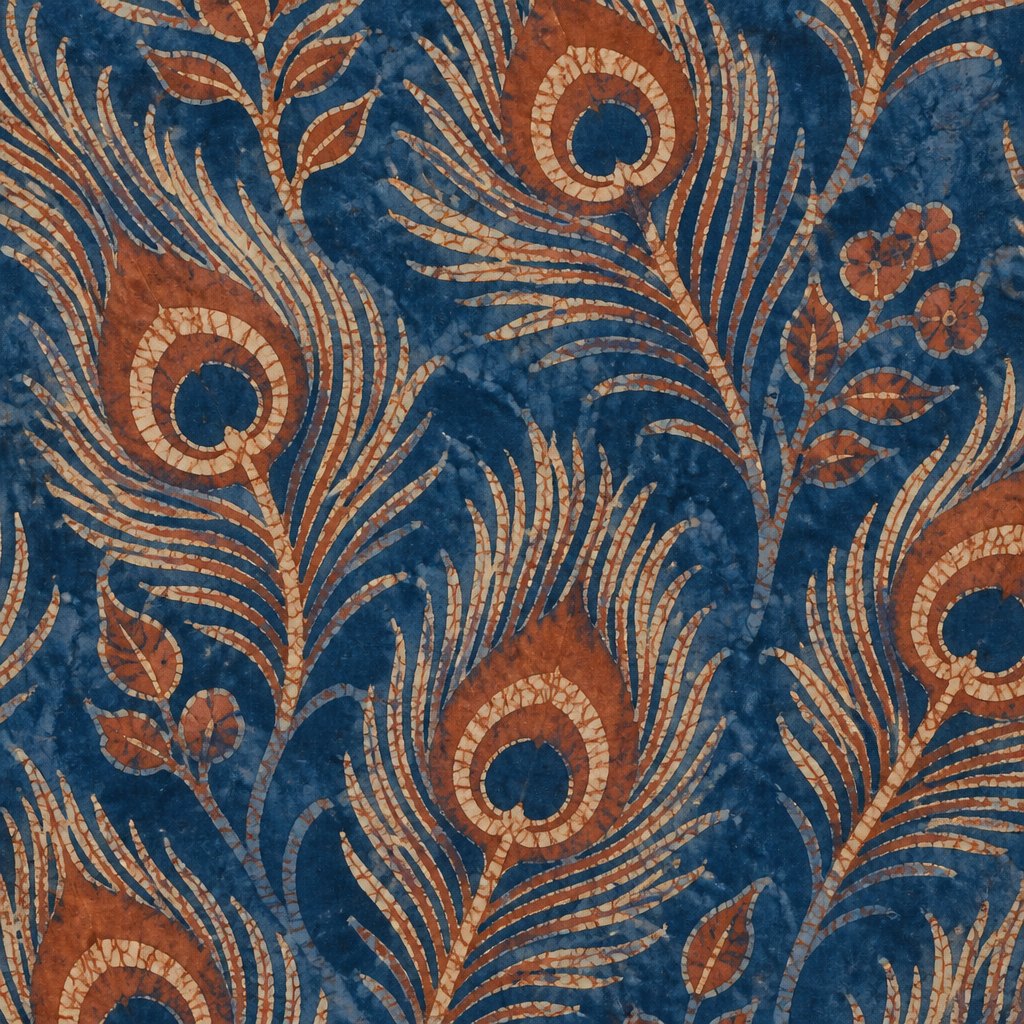
- 01Fine, spiderweb-like cracks running through solid color fields — the wax's signature crackle.
- 02Soft, slightly blurred edges where the wax resist didn't fully seal against the cloth.
- 03Layered colors that read like translucent washes rather than flat, printed color.
- 04Repeating dot or line motifs from a stamped copper block rather than freehand drawing.
- 05Deep, saturated indigo, brown, or rust tones typical of traditional dye baths.
The Batik workshop card
a weekend to start, years to refineMaterials
- cotton or silk cloth, pre-washed to remove sizing
- beeswax and paraffin wax blend
- canting (wax-filled drawing pen)
- copper stamping block for repeat patterns
- wax pot or double boiler
- fiber-reactive or natural dyes
- large dye vats or basins
- iron and newsprint for wax removal
Steps
- 1
Prepare and stretch the cloth
Wash the fabric to strip sizing and oils so wax and dye bond evenly, then stretch it on a frame so the surface stays taut and even while you draw.
- 2
Sketch the design
Pencil the pattern lightly onto the cloth as a guide. Keep early designs simple — wax is unforgiving, and every mistake becomes a permanent part of the piece.
- 3
Melt the wax
Heat wax in a pot or double boiler to a thin, hot consistency, never over direct high heat since wax smokes and can ignite; wax that's too cool clumps instead of soaking in, leaving weak resist.
- 4
Apply wax to the design
Trace the design with a canting for fine lines, or press a heated stamp for repeating patterns. Wax needs to penetrate through to the back of the cloth.
- 5
Dye the lightest color first
Submerge the cloth in the palest dye bath and let it soak evenly, wearing gloves and a dust mask while mixing dye powders. Wax-covered areas resist the color completely, staying white or whatever shade came before this step.
- 6
Wax, dye, and repeat
Cover the newly dyed color with fresh wax wherever it should stay, then dye again in a darker shade. Repeat for each additional color, working light to dark.
- 7
Remove the wax
Boil the cloth in hot water or iron it between sheets of newsprint to melt and absorb the wax, revealing the finished layered design underneath at last.
- 8
Rinse and set
Rinse thoroughly in clean water and let the cloth dry flat, checking carefully that no wax residue remains stiffening the fibers before it's handled or worn.
Classic mistakes
Wax too cool
Cool wax sits on top of the cloth instead of soaking through, leaving gaps that let dye bleed where it shouldn't. Keep the wax hot and thin.
Dyeing dark before light
Dyeing a dark color first leaves no way to lighten it again. Always plan the sequence from the lightest color to the darkest.
Fighting the crackle
Trying to prevent every crack in the wax removes the technique's signature texture. A little cracking is expected, not a flaw.
Rushing wax removal
Scraping wax off while it's still soft smears color and tears fibers. Let it cool and set, or use heat, to lift it cleanly.
Where it comes from
Batik's clearest lineage runs through Java, Indonesia, where wax-resist dyeing on cotton developed into an elaborate courtly art, with certain patterns once reserved for royalty. Artisans used a canting — a wax-filled pen — for freehand work, and later a copper stamp to speed up repeating patterns for wider trade. Similar resist-dye traditions arose independently in other parts of Asia and Africa, but Javanese batik became the technique's global reference point, and UNESCO recognized it as an Intangible Cultural Heritage in 2009. In the twentieth century, batik's crackled, layered look influenced Western textile design and studio art, while Indonesian batik houses kept refining regional pattern vocabularies passed down through families and workshops.
See it done perfectly
| Work | Maker | Date | What to look at |
|---|---|---|---|
| Parang motif court batik | Unknown | Javanese royal tradition | Diagonal dagger-like bands once reserved for Central Javanese royalty; the archetypal batik pattern. |
| Batik tulis ceremonial cloths | Unknown | traditional Javanese craft | Hand-drawn with a canting; prized for fine line work impossible to replicate with stamping. |
| Kawung motif batik | Unknown | Javanese court tradition | Repeating four-lobed circles, among the oldest documented Javanese batik patterns. |
 AI-generated
Try it with AI
Get the Batik look in a generator
To evoke batik in an AI image generator, describe wax-resist dyeing directly: request fine crackled lines running through flat color fields, like veins in stained glass. Use words like 'hand-dyed cotton,' 'layered dye wash,' 'crackle texture,' and 'indigo and rust tones' to push toward the technique's soft, slightly bled edges. Specify 'organic repeating pattern' or 'stamped motif' for the surface design, and 'matte fabric texture' rather than glossy paint. Avoid photographic realism cues — batik reads best as flattened, textile-like color with visible resist lines.
Frequently asked questions
What is batik?
Batik is a wax-resist dyeing technique: melted wax is applied to cloth to block dye from certain areas, then removed after dyeing to reveal the design. Multiple wax-and-dye cycles build up several colors, with fine crackle lines forming where the wax naturally cracks.
Where did batik originate?
Batik's best-documented and most refined tradition comes from Java, Indonesia, where it developed into an elaborate courtly art. Similar resist-dye methods arose elsewhere, but Javanese batik became the technique's global reference point.
Can I try batik at home?
Yes — a simple version needs cotton fabric, a wax pot, a basic drawing tool, and fiber-reactive dye. Start with one or two colors before attempting a multi-layer design.
Why does batik crack?
As the waxed cloth is handled, folded, or dyed, the brittle wax layer naturally fractures. Dye seeps into these cracks, creating the fine veined lines considered a hallmark of hand-done batik rather than a flaw.