 Art
Art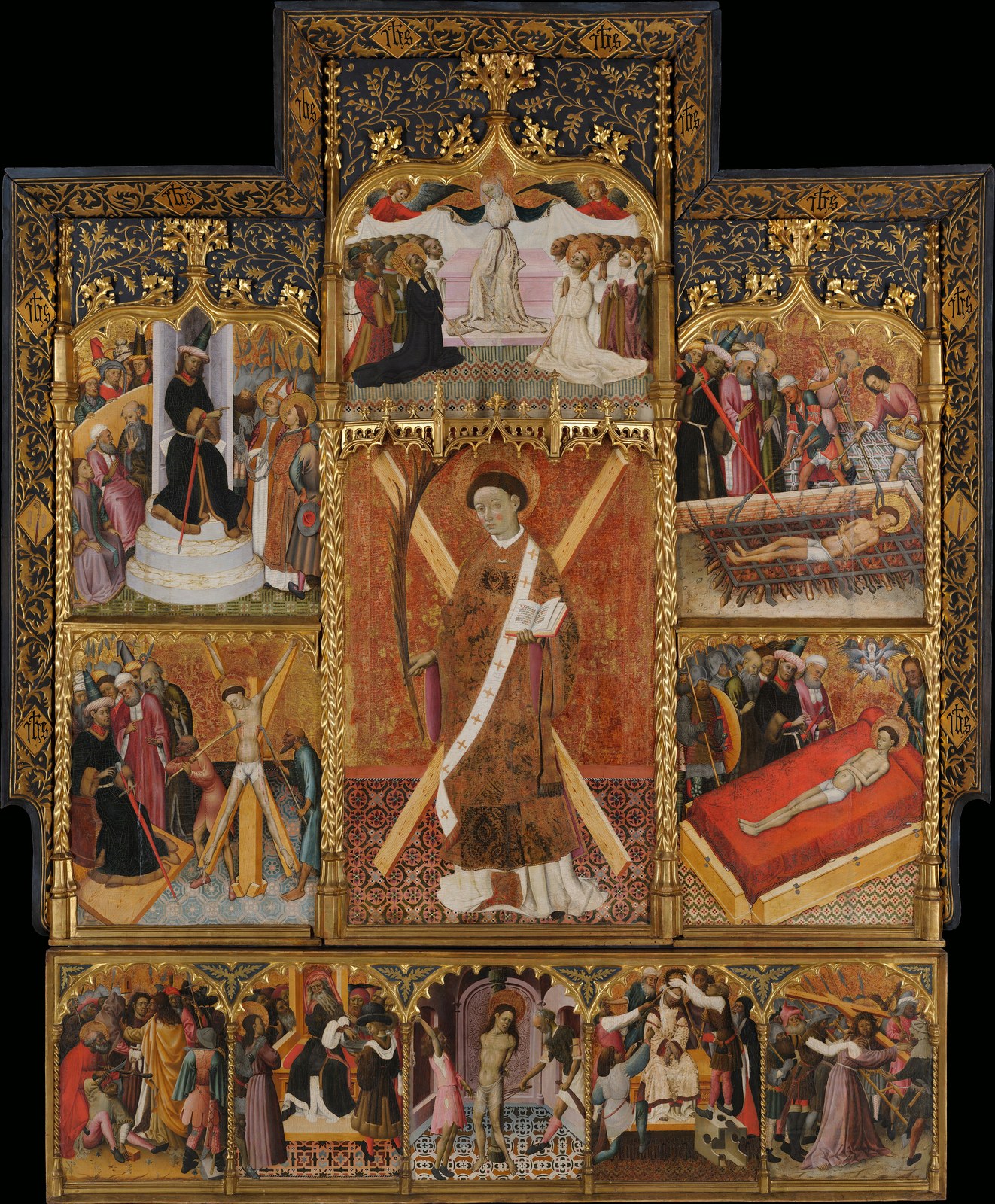



Gilding is a surface-decoration technique that applies a thin layer of gold, most often gold leaf beaten to a fraction of a hair's thickness, onto a prepared surface so the object reads as solid gold while using only a tiny fraction of the metal. Gilders build up a smooth, absorbent ground first — traditionally layers of gesso, sometimes tinted with red or yellow bole clay — then apply an adhesive size and lay individual sheets of gold leaf onto it, burnishing the surface afterward with a hard, smooth tool to bring out a mirror shine. Artists and craftspeople reach for gilding whenever they want an object, panel, frame, or architectural detail to carry gold's specific visual weight, its unmatched brightness, its resistance to tarnish, and its long association with sacred, royal, or luxury objects, without the cost, weight, and workability problems of solid gold. The technique appears on painted panels, sculpture, furniture, frames, manuscripts, and architecture alike, wherever a surface needs to catch and hold light like precious metal.
How to spot it
- 01A bright, mirror-like shine on burnished areas versus a softer matte glow on unburnished gold.
- 02Gold that sits as a thin, slightly rippled skin over a carved or molded surface.
- 03Warm red or ochre bole peeking through at worn edges and high points.
- 04Gold confined to specific elements — haloes, frames, ornament — rather than covering an entire surface.
- 05A slightly uneven, hand-applied texture rather than the perfectly flat sheen of metallic paint.
The Gilding workshop card
Days per panel; years to burnish cleanly.Materials
- gold leaf, loose or transfer sheets
- gesso ground
- bole clay, red or yellow
- gilder's size or water-gilding adhesive
- gilder's tip and brush
- agate burnisher
- gilder's cushion and knife
- soft cotton or brush for polishing
Steps
- 1
Build a smooth ground
Apply multiple thin layers of gesso to the surface, sanding between coats until it's perfectly smooth, since every bump or scratch will show through gold leaf.
- 2
Apply the bole
Coat the smoothed gesso with bole clay, traditionally red or yellow, which fills in as a warm undertone visible through and around the thin gold leaf.
- 3
Activate the size or bole
For oil gilding, brush on an adhesive size and let it reach the correct tack; for water gilding, wet the bole with water so the leaf can be floated on and gripped.
- 4
Cut and lift the leaf
Cut gold leaf to size on a gilder's cushion, then lift each sheet with a static-charged gilder's tip, since the leaf is far too delicate to handle directly with fingers.
- 5
Lay the gold
Lower the leaf onto the prepared surface and press it down gently with a soft brush, overlapping edges slightly to avoid gaps where the ground would show through.
- 6
Burnish for shine
Once the leaf has dried in place, rub the gilded surface with a hard, smooth agate burnisher to compress and polish the gold into a bright, mirror-like finish.
- 7
Tool or texture selectively
Press patterns into the still-workable gilded surface with small punches or tools if the design calls for decorative texture worked directly into the gold itself.
- 8
Seal if needed
Apply a thin protective varnish over exterior or heavily handled gilded surfaces, since unsealed gold leaf is thin enough to wear through with repeated contact.
Classic mistakes
Skipping ground preparation
Applying gold leaf directly over an unsmoothed or absorbent surface leaves every flaw visible and makes the leaf adhere unevenly, dulling the finished shine.
Handling leaf with fingers
Gold leaf is thinner than paper and tears or sticks to skin instantly; always lift and place it with a gilder's tip, never bare hands.
Misjudging tack timing
Laying leaf onto size that's too wet or already too dry causes the gold to slide, wrinkle, or fail to bond; test tack carefully before applying.
Over-burnishing thin spots
Aggressive burnishing over areas with too little gold can rub straight through to the bole beneath, leaving visible bare patches.
Where it comes from
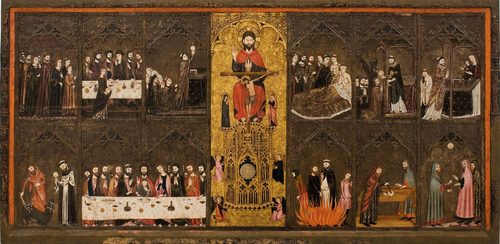
Gilding is one of the oldest surface techniques, practiced in ancient Egypt on furniture, coffins, and architecture, and refined across many cultures that had access to gold. Medieval European panel painters used gilding extensively for religious imagery, laying gold leaf behind and around sacred figures to signal divine light and status, a convention that peaked in the tempera panels of the late Middle Ages before painters shifted toward illusionistic depth in the Renaissance. Gilding never disappeared, though — it moved into frames, furniture, architectural ornament, and manuscript illumination, where water gilding and burnishing techniques developed to a high polish. Oil gilding, a simpler adhesive method without burnishing, spread widely for exterior and large-scale architectural work where a durable, weather-resistant finish mattered more than mirror shine.
See it done perfectly
| Work | Maker | Date | What to look at |
|---|---|---|---|
| Gates of Paradise | Lorenzo Ghiberti | 1425–1452 | Fire-gilded bronze relief panels, their gold surface still catching light after centuries. |
| Maestà | Duccio di Buoninsegna | 1308–1311 | A gold-ground altarpiece where burnished gold leaf backs and frames every painted figure. |
| Gilded shrines of Tutankhamun | Unknown (ancient Egyptian craftsmen) | c. 1323 BCE | Nested wooden burial shrines sheathed in gold leaf over gesso, classic Egyptian leaf gilding. |
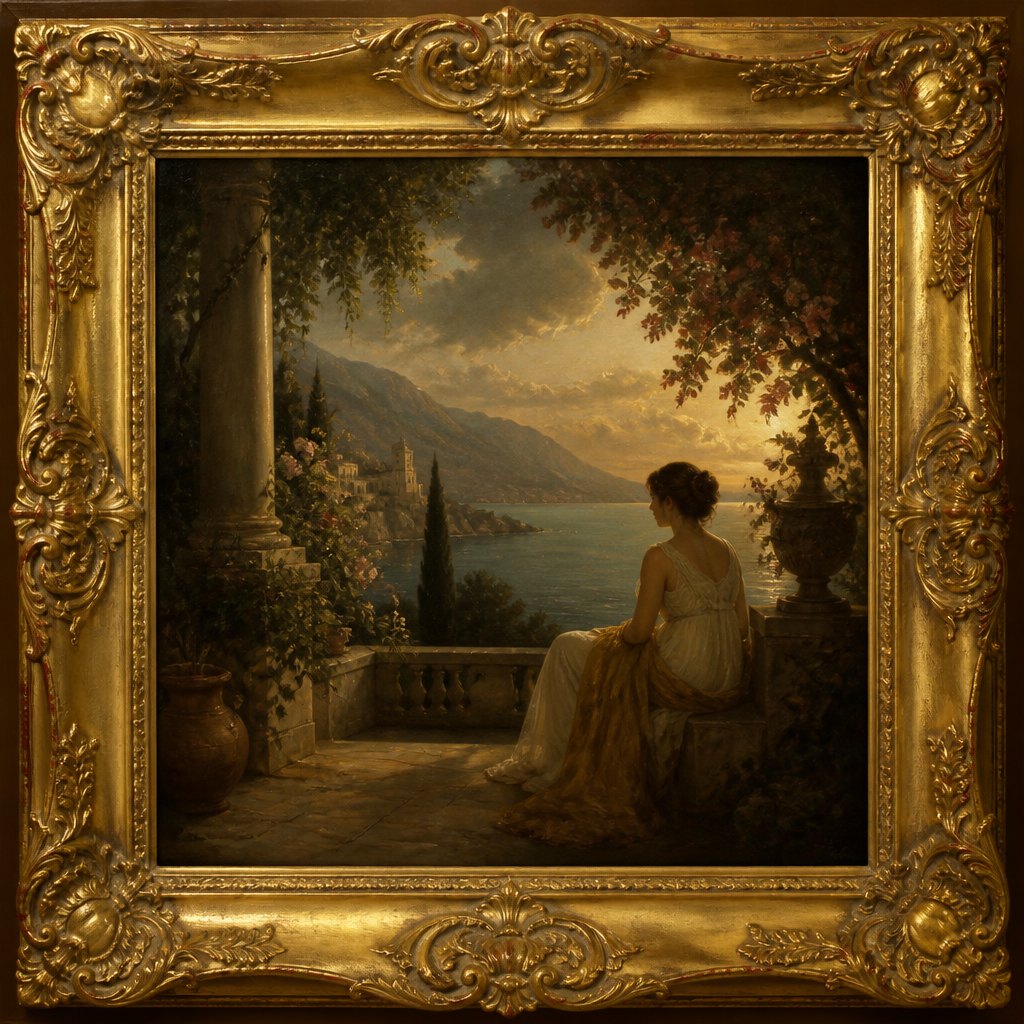 AI-generated
Try it with AI
Get the Gilding look in a generator
Ask for 'gold leaf' or 'gilded surface' and describe how the gold sits on the object: thin, slightly rippled gold skin, mirror-bright burnished highlights next to softer matte gold, warm red undertone showing through worn edges. Lighting sells gilding — specify warm raking light, a bright specular highlight, or candlelight reflecting off a gold surface to get that unmistakable metallic glow rather than flat yellow paint. Naming the object helps: gilded frame, gilded icon panel, gilded architectural molding. Keep gold confined to specific elements rather than an entire scene for a more convincing, hand-applied look.
Frequently asked questions
What is gilding?
Gilding is a technique that applies a thin layer of gold, usually gold leaf, onto a prepared surface so an object appears solid gold while using only a tiny amount of the actual metal.
How thin is gold leaf?
Gold leaf is beaten down to an extraordinary thinness, far thinner than a sheet of paper, which is why it must be handled with a gilder's tip rather than fingers, which would tear or stick to it instantly.
What's the difference between water gilding and oil gilding?
Water gilding uses a wet clay ground and can be burnished to a bright mirror shine, ideal for fine detail work; oil gilding uses an adhesive size, skips burnishing, and suits durable exterior or large-scale work.
Can you gild with imitation gold?
Yes — composition leaf made from brass and other alloys mimics gold's look at a fraction of the cost, though it tarnishes over time in a way real gold leaf resists.