 Art
Art
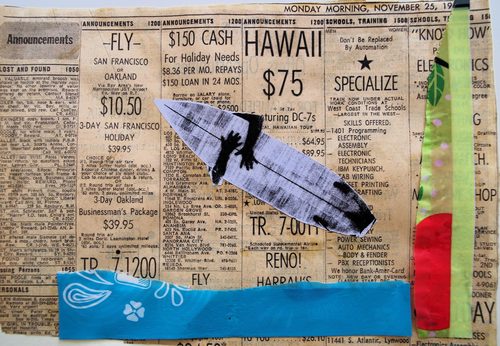
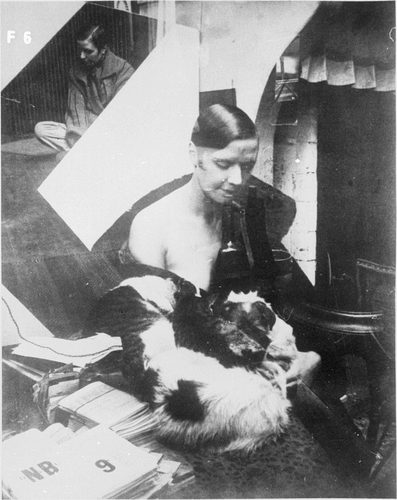
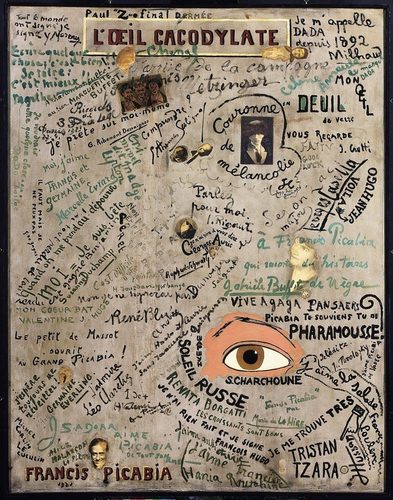
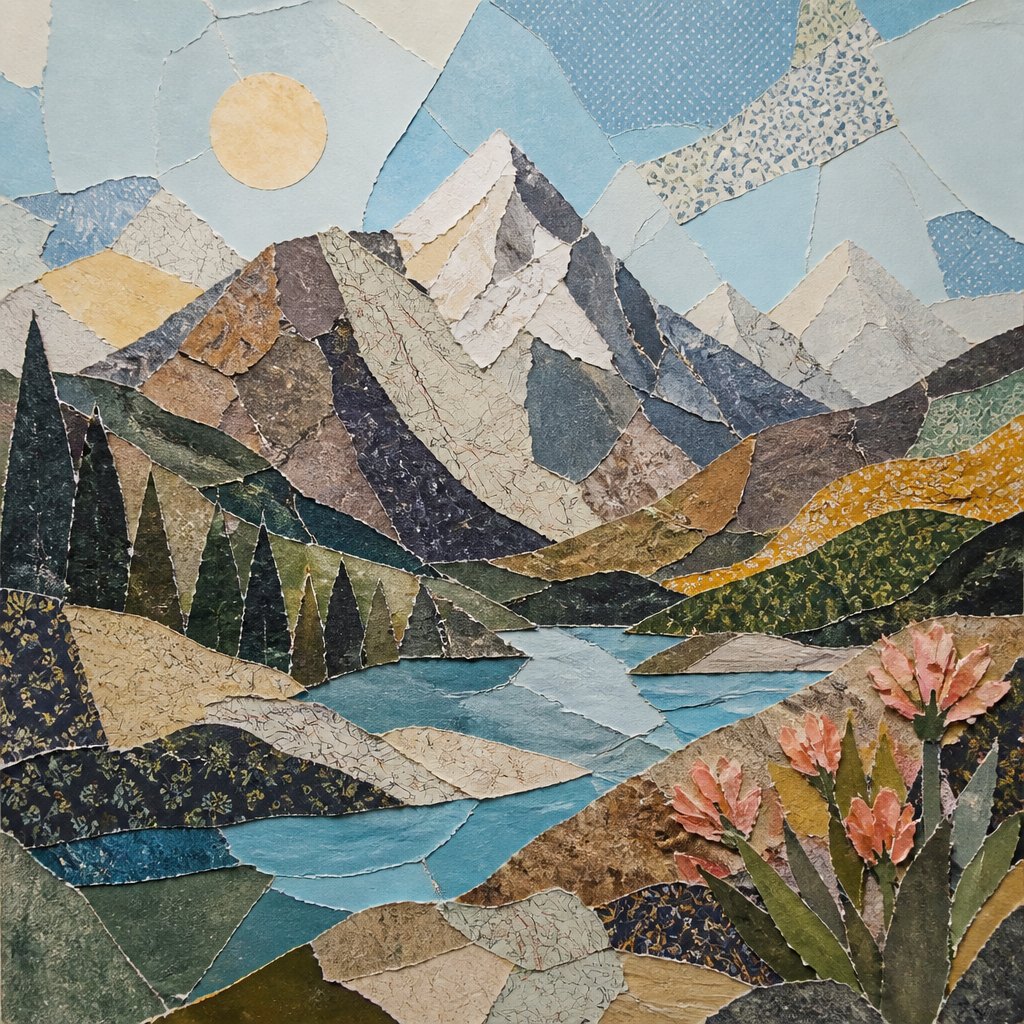
Collage is a technique that builds an image by cutting and pasting existing flat materials — paper, photographs, newspaper, fabric, printed ephemera — onto a surface, rather than drawing or painting a scene from scratch. Because every fragment arrives already carrying its own texture, color, and meaning, collage artists compose by selecting and combining rather than only inventing marks, juxtaposing unrelated images or materials to create new associations that neither element had alone. The technique includes papier collé, which specifically means pasted paper incorporated into a drawing or painting, though the broader term covers any pasted-material composition regardless of what's glued down. Artists reach for collage to work quickly and intuitively, to incorporate real-world texture and printed imagery a brush can't replicate, or to make deliberate use of found material's existing associations, like a newspaper headline, a wallpaper pattern, or a photograph, that a painted mark would have to fake. Unlike assemblage, collage stays essentially flat, built up in layers on a single plane rather than into full three-dimensional space.
How to spot it
- 01Visible edges or seams where separate pasted pieces meet, rather than continuous brushwork.
- 02Mismatched materials combined on one surface: newsprint beside painted paper beside fabric.
- 03Recognizable fragments of photographs, text, or patterned paper embedded within the image.
- 04A flat, layered look with slight overlaps or shadows where paper edges lift from the surface.
- 05Deliberately jarring or witty juxtapositions between unrelated pasted images.
The Collage workshop card
An afternoon; a lifetime of source material.Materials
- found or printed paper, magazines, newspaper, photographs
- scissors or craft knife
- adhesive, glue stick, paste, or matte medium
- backing surface, board, canvas, or heavy paper
- burnisher or brayer for flattening
- acrylic medium or varnish for sealing
- cutting mat
Steps
- 1
Gather source material
Collect a wide range of paper, photographs, and printed matter with an eye for color, texture, and content, since collage composes from what already exists rather than from a blank page.
- 2
Sort by tone and idea
Group materials by color, texture, or subject matter to see what relationships and contrasts emerge on their own, before you commit to settling on any final arrangement.
- 3
Compose loosely first
Arrange pieces on the surface without gluing anything down yet, shifting and swapping fragments freely until the composition's balance, rhythm, and meaning all feel fully resolved.
- 4
Cut precisely
Trim edges cleanly with scissors or a craft knife once placement is decided, since ragged or imprecise cuts can undercut an otherwise strong composition's clarity.
- 5
Paste in layers
Glue pieces down from background to foreground, applying adhesive evenly to the back of each piece and smoothing it flat to avoid air bubbles and curling edges.
- 6
Burnish flat
Press or roll each pasted piece firmly once it's down, working from the center outward to push out trapped air and glue excess to the edges.
- 7
Add drawn or painted marks
Integrate paint, ink, or pencil work with the pasted elements if the piece calls for it, letting collage and direct mark-making support each other rather than compete.
- 8
Seal the finished piece
Apply a thin varnish or medium over the finished collage to protect edges from lifting and even out the surface sheen between different types of paper.
Classic mistakes
Gluing before finalizing the layout
Committing pieces too early forecloses better arrangements; test the composition loosely on the surface before any adhesive touches the paper.
Uneven adhesive application
Gluing only the center of a piece leaves edges free to curl and lift over time; spread adhesive evenly all the way to every edge.
Overcrowded composition
Filling every inch of the surface with pasted material can overwhelm the eye; empty or quiet areas give the composition somewhere to rest.
Ignoring paper weight and buckling
Thin papers wrinkle and buckle under wet adhesive; use a compatible glue and press pieces flat while drying, or work with heavier stock.
Where it comes from
Collage entered fine art in the early twentieth century when Cubist painters began pasting real materials, like newspaper, wallpaper, and printed labels, directly onto canvas alongside painted marks, a technique they called papier collé. Dada artists pushed collage toward chance and provocation, cutting up mass media imagery to satirize consumer and political culture, while Surrealists used collage's odd juxtapositions to mimic dream logic. Photomontage, a related technique combining cut photographs rather than varied papers, became a powerful tool for political and commercial image-making across the twentieth century. Collage has stayed continuously active since, moving fluidly between fine art, graphic design, and popular craft, and it became one of the most accessible entry points into digital image-editing once software let artists cut and layer images without scissors or glue.
See it done perfectly
| Work | Maker | Date | What to look at |
|---|---|---|---|
| Still Life with Chair Caning | Pablo Picasso | 1912 | Often cited as the first fine-art collage, pasting real oilcloth onto a painted canvas. |
| Cut with the Kitchen Knife | Hannah Höch | 1919–1920 | A landmark Dada photomontage assembling cut magazine and newspaper imagery into political satire. |
| The Snail | Henri Matisse | 1953 | A large late-career cut-paper composition built from pasted shapes of painted paper. |
 AI-generated
Try it with AI
Get the Collage look in a generator
Ask for 'collage' or 'cut-paper collage' and describe the pasted-material look directly: visible torn or cut paper edges, overlapping flat layers, mismatched textures and printed patterns combined on one surface, slight shadows where paper edges lift off the background. Mention specific found materials, like newsprint, patterned paper, old photographs, or magazine cutouts, since naming them shapes the texture more than general style words. Keep the composition flat and layered rather than continuously blended, and consider deliberately unexpected juxtapositions between elements for an authentic collage feel rather than a single coherent painted scene.
Frequently asked questions
What is collage?
Collage is a technique that builds an image by cutting and pasting existing materials, like paper, photographs, fabric, or printed matter, onto a surface, combining found fragments into a single new composition rather than drawing or painting from scratch.
What does papier collé mean?
Papier collé is French for 'pasted paper' and refers specifically to incorporating cut or torn paper into a drawing or painting; it's the term used for the technique's earliest fine-art appearances.
How is collage different from assemblage?
Collage stays essentially flat, layering pasted materials on a single surface, while assemblage builds fully into three dimensions using physical objects joined together — collage is closer to painting, assemblage closer to sculpture.
What glue works best for paper collage?
A matte medium, paste, or acid-free glue stick works well for most paper collage, since it dries flat without excess moisture that can wrinkle or buckle thin paper.