 Art
Art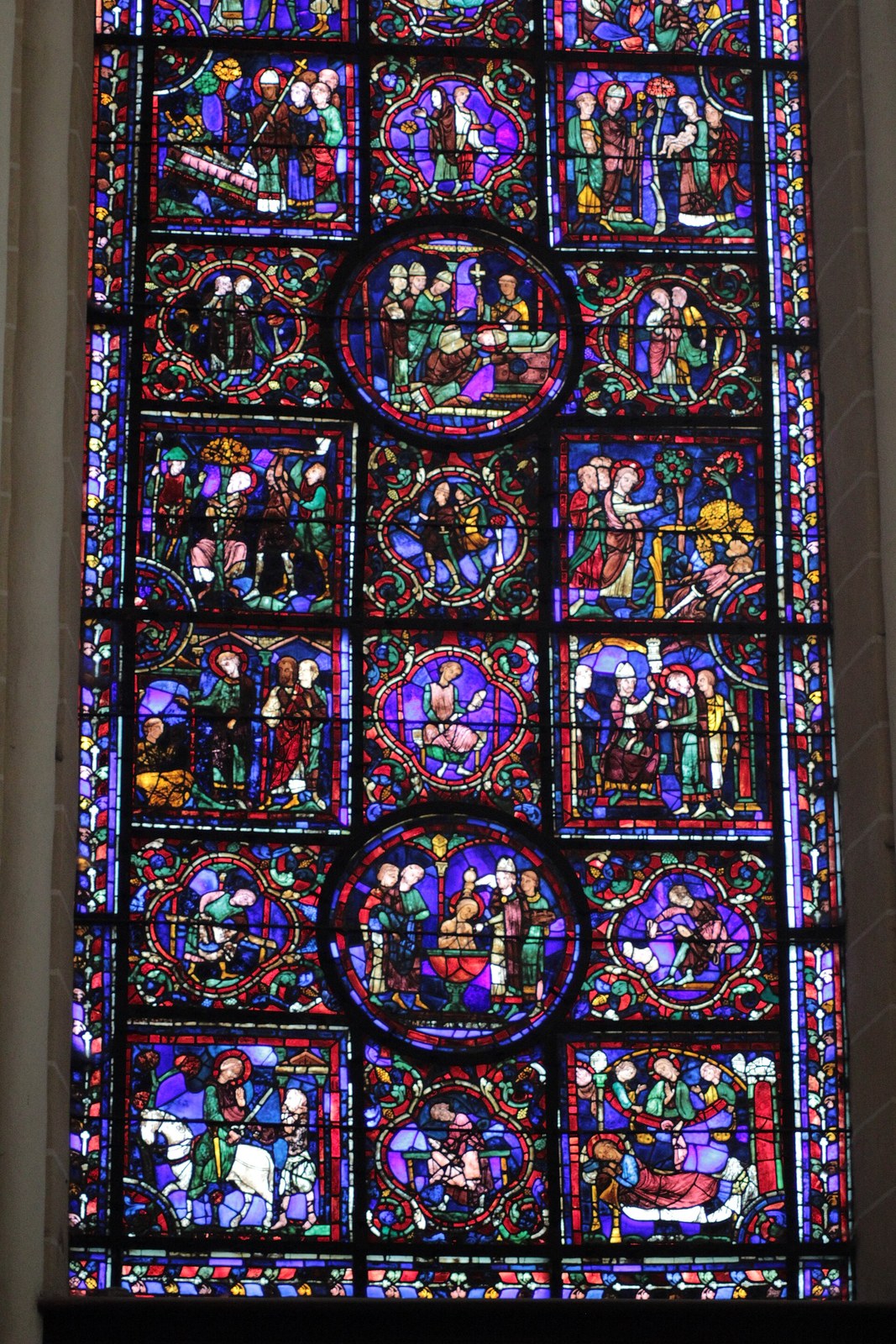
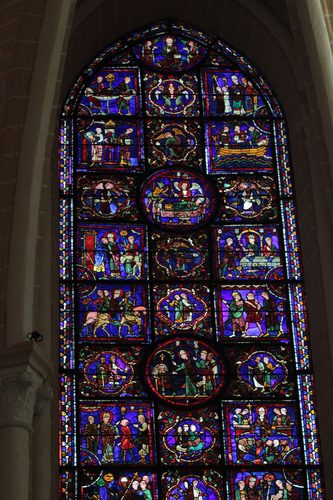
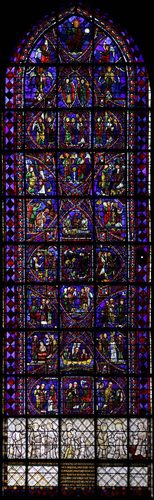
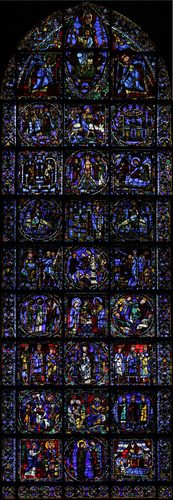
Stained glass is a technique for building images or patterns from pieces of colored glass joined together by strips of lead came or copper foil, designed to be viewed with light passing through rather than reflecting off a surface. Glassmakers color the glass itself by adding metallic oxides during manufacture, so the color is embedded in the material rather than painted on top, though artists also paint fine detail — faces, drapery, lettering — in dark vitreous paint that is fired onto the glass surface to fuse permanently. Cut pieces are fitted together like a puzzle following a full-scale drawing called a cartoon, then joined with lead or copper channels and soldered at every junction into a rigid, weatherproof panel. Artists reach for stained glass above all for architecture, since transmitted colored light does something no painted surface can: it changes constantly with the sun, filling a room with shifting, saturated color throughout the day and across the seasons.
How to spot it
- 01Color that glows from within rather than sitting on a reflective surface.
- 02Visible lead or metal lines tracing every boundary between colored pieces.
- 03Painted linear detail — faces, folds, lettering — fired onto the glass in dark brown or black.
- 04Deep, saturated jewel tones that shift as outside light changes through the day.
- 05Panels set into window openings, meant to be seen with light passing through, not reflected.
The Stained Glass workshop card
Weeks per window; years to master leading.Materials
- colored sheet glass, cathedral or opalescent
- lead came or copper foil
- glass cutter and running pliers
- soldering iron and solder
- flux
- vitreous glass paint and a kiln for firing
- cartoon, a full-scale paper design
- putty or cement for weatherproofing leaded panels
Steps
- 1
Draw the cartoon
Create a full-scale drawing of the design, marking every line where glass pieces will meet, since this drawing becomes the exact cutting and assembly guide.
- 2
Choose and cut the glass
Select colored glass sheets for each section, then score and snap each piece to match the cartoon, using running pliers for long or curved cuts.
- 3
Paint fine detail
Apply dark vitreous paint for faces, drapery folds, or lettering onto individual pieces, then fire them in a kiln so the paint fuses permanently to the glass surface.
- 4
Fit the pieces together
Assemble the cut and painted glass pieces over the cartoon drawing, checking that every piece meets its neighbors cleanly and follows the design before any leading begins.
- 5
Lead or foil the pieces
Fit lead came channels between the glass pieces, or wrap edges in adhesive copper foil for smaller, more intricate work, building the rigid structure that holds everything together.
- 6
Solder every joint
Melt solder over each intersection where lead or foil pieces meet, fusing the metal framework into one rigid structure; lead came and solder fumes call for good ventilation and washed hands after handling.
- 7
Cement and finish
Force weatherproofing cement or putty beneath the lead came to seal and stiffen a leaded panel, then clean off the excess and polish the surrounding glass surface.
- 8
Install and reinforce
Set the finished panel into its frame or window opening, adding steel reinforcing bars across large windows so the glass and lead can withstand wind load over time.
Classic mistakes
Poor glass selection for light
Choosing glass by how it looks in hand rather than backlit leads to disappointing color once the panel is installed; always check color against a light source.
Sloppy cuts and gaps
Rough or inaccurate cuts leave gaps that lead or foil can't bridge cleanly, weakening joints and distorting the design's intended lines.
Skipping reinforcement on large panels
A large stained glass window without internal reinforcing bars can bow or fail under wind pressure and its own weight over time.
Underfiring painted detail
Vitreous paint that isn't fired hot enough or long enough can flake or wear away, since the paint needs to fuse into the glass surface, not just sit on it.
Where it comes from
Stained glass developed as a distinctly architectural technique in medieval Europe, reaching its first great height in the tall windows of Gothic cathedrals, where colored light was understood as a spiritual and structural element of sacred space. Craft workshops refined glass coloring, cutting, and leading over centuries, developing silver stain in the fourteenth century to add yellow tones without a separate piece of glass. The technique declined with changing architectural fashion after the Renaissance but revived strongly in the nineteenth century, when Gothic Revival architecture and new industrial glassmaking techniques, including a copper-foil method suited to smaller, more intricate lamp and decorative work, brought stained glass into secular buildings and domestic design. It remains an active craft today, split between historic-restoration work and contemporary architectural and decorative commissions.
See it done perfectly
| Work | Maker | Date | What to look at |
|---|---|---|---|
| Windows of Sainte-Chapelle | Unknown | completed 1248 | Over a thousand square feet of narrative stained glass filling a Gothic royal chapel. |
| Rose Window, Chartres Cathedral | Unknown | 13th century | A vast circular window using deep blues and reds that became a hallmark of Gothic glass. |
| Tiffany Studios stained glass windows | Tiffany Studios | late 19th–early 20th century | Popularized opalescent glass and the copper-foil method for richly textured decorative panels. |
 AI-generated
Try it with AI
Get the Stained Glass look in a generator
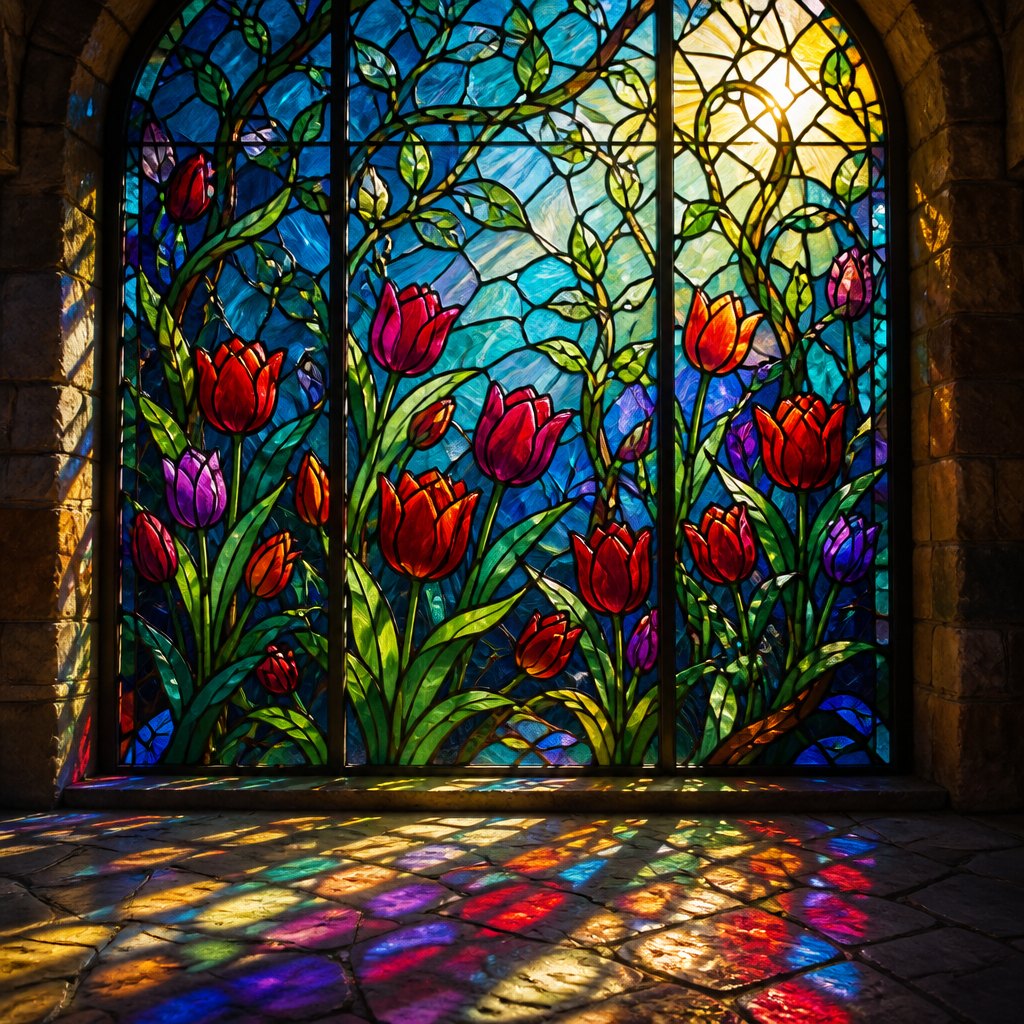
Ask for 'stained glass' and describe transmitted, glowing light: jewel-toned colored glass, light shining through panes, visible dark lead lines dividing each colored section, painted linear detail on faces or foliage. Backlighting is the key cue — specify sunlight streaming through the glass, or an interior lit by colored light falling across a floor, rather than a flatly lit surface. Naming the setting helps: church window, rose window, leaded glass panel. Keep colors deep and saturated rather than pastel to match traditional cathedral glass.
Frequently asked questions
What is stained glass?
Stained glass is a technique that builds an image or pattern from pieces of colored glass joined by lead or copper strips, designed to be viewed with light passing through rather than reflected off the surface.
How does glass get its color?
Color is usually added during manufacturing by mixing metallic oxides into the molten glass, so the color runs through the material itself; artists then add fine painted detail separately and fire it onto the surface.
Can beginners try stained glass?
Yes — the copper-foil method used for small panels and lamps is more approachable than traditional leading, and basic glass-cutting and soldering skills can be learned through short workshops.
What's the difference between lead and copper-foil methods?
Lead came suits larger, simpler panels with a traditional look; copper foil wraps each piece individually and solders into finer, more intricate lines, making it better suited to detailed or small-scale work like lamps.