 Art
Art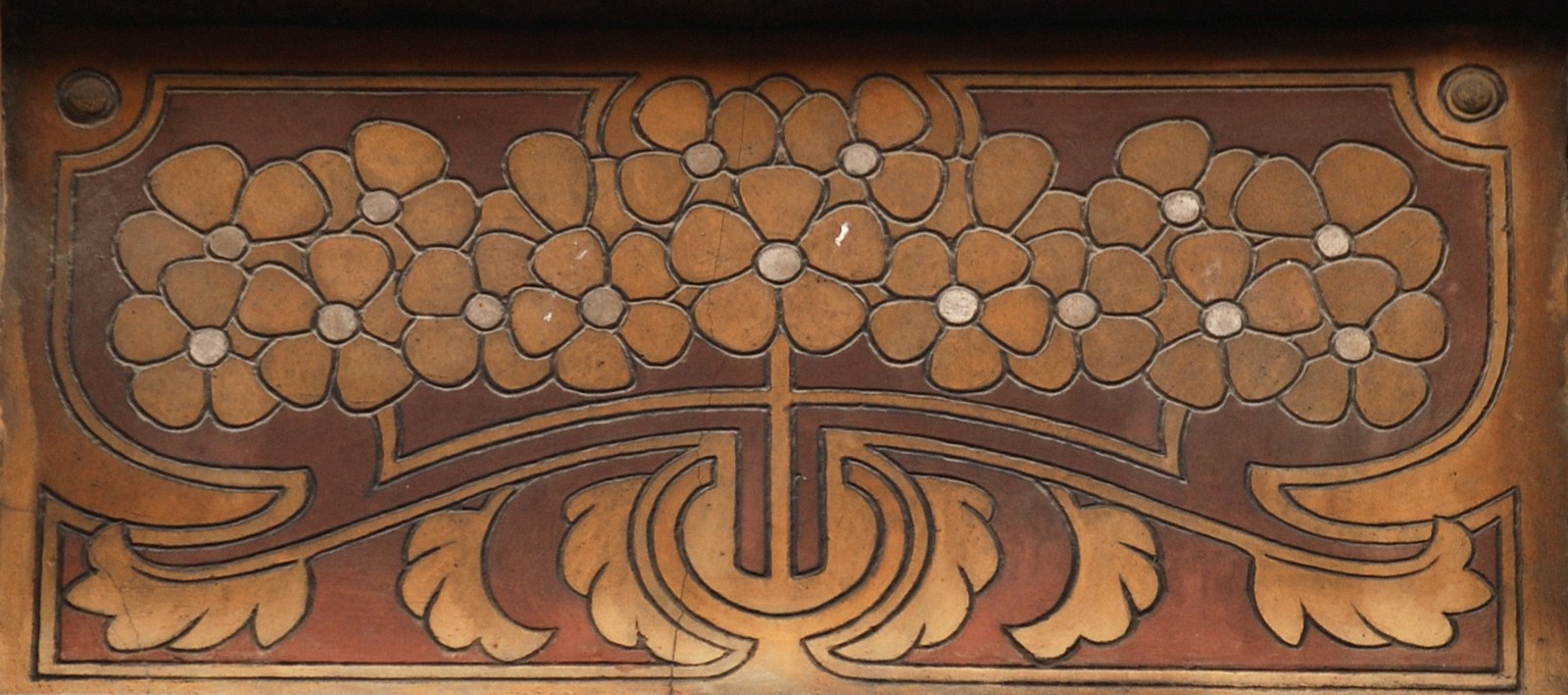
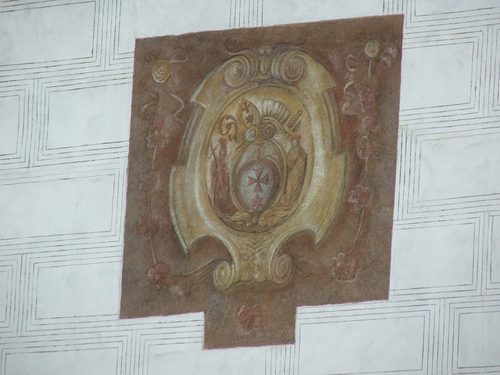
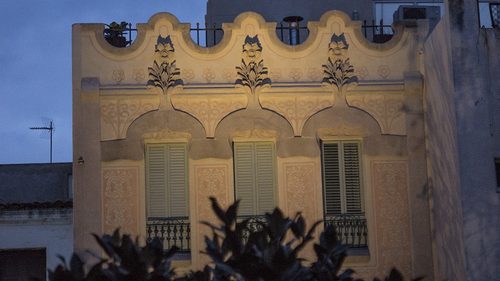
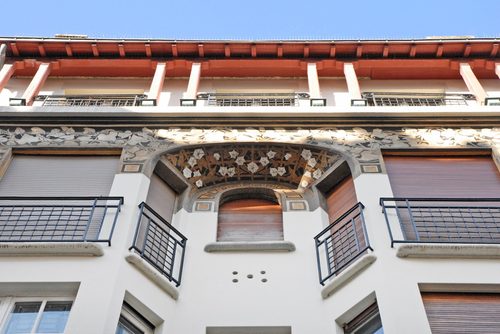
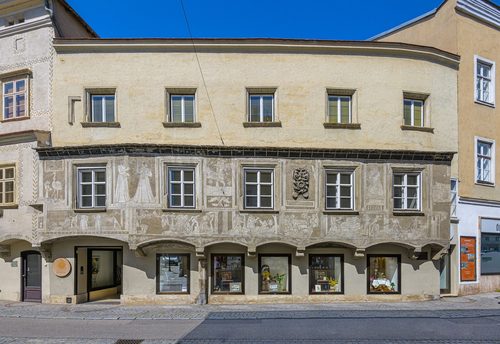
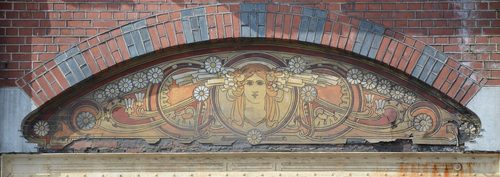
Sgraffito is a technique that creates an image or pattern by scratching through a top layer of material to reveal a contrasting layer underneath — the design appears where material has been removed, not added. Ceramic artists apply the method by coating a clay body with a layer of colored slip, then scratching through it once leather-hard to expose the different-colored clay beneath, producing crisp linear designs before glazing and firing. Building decorators use a related process on plaster: two layers of differently tinted lime or cement render are applied to a wall, and the top layer is scratched away while still workable to reveal a contrasting pattern underneath, a technique long used for exterior architectural ornament. Artists reach for sgraffito because it produces sharp, confident, drawn-feeling lines that carving or painting struggle to match, and because the layered-color effect gives even simple linear designs real depth and contrast without additional pigment.
How to spot it
- 01Crisp, linear designs that look drawn or etched rather than painted.
- 02Two distinct colors visible at once: a base layer showing through a scratched top layer.
- 03Grooved, slightly recessed lines where material has been physically removed.
- 04Exterior wall patterns combining light and dark plaster in graphic, often geometric designs.
- 05Ceramic surfaces with a contrasting slip color exposed in fine linear detail.
The Sgraffito workshop card
A session to try; longer to control depth.Materials
- clay body and contrasting colored slip
- sgraffito or scratch tools, needle tools and loop tools
- kiln and glaze for ceramic work
- lime or cement plaster in two contrasting tones for architectural sgraffito
- trowels and scratching tools for plaster work
- a pounce pattern or drawn guide
Steps
- 1
Prepare the base layer
Form or coat the surface with the base material and color, whether a clay body or a first layer of tinted plaster, and let it firm up to the right working stage.
- 2
Apply the contrasting top layer
Coat the surface evenly with a second, differently colored slip or plaster layer, thick enough to scratch through cleanly but thin enough not to obscure fine detail.
- 3
Let the surface reach leather-hard
Wait until the top layer is firm enough to hold a clean line but still soft enough to cut, since fully dried or fully wet material won't scratch predictably.
- 4
Transfer or sketch the design
Lightly draw or transfer the design onto the surface as a guide, keeping the touch light enough not to gouge through both layers at once.
- 5
Scratch through to the layer beneath
Cut through the top layer with a needle or loop tool, controlling depth carefully so the scratch exposes the contrasting layer beneath without digging into it too far.
- 6
Clear away the scratched debris
Brush or wipe loose material out of the grooves as you work, keeping lines crisp and clean and preventing debris from smearing back into the finished design.
- 7
Finish and protect the surface
Fire and glaze ceramic sgraffito, or seal architectural plaster sgraffito against weather, since both kinds of surface need protection once the design work is complete.
Classic mistakes
Scratching at the wrong firmness
Cutting into material that's too wet drags and smears the line; cutting into material that's too dry chips and cracks unpredictably instead of scratching cleanly.
Uneven layer thickness
An unevenly applied top layer scratches through to the base at different depths across the design, making some lines read thin and others too wide.
Overworking the same line
Repeatedly re-scratching a line to fix it roughens the edges and can tear through the base layer; commit to confident single strokes instead.
Skipping dust protection on plaster work
Scratching and preparing plaster surfaces can raise fine dust; ventilate the work area and wear a dust mask, especially indoors.
Where it comes from
Sgraffito's ceramic form dates back centuries across Islamic, Byzantine, and later European pottery traditions, where potters layered contrasting clay slips specifically to be cut through for decoration. The architectural version flourished in Renaissance Italy, where building facades were decorated with scratched plaster patterns imitating stonework, drapery, or figural scenes at a fraction of the cost of carved stone, and the technique spread through Central Europe, becoming especially associated with historic townhouse facades in Bohemia and neighboring regions. Ceramic sgraffito saw renewed interest among studio potters in the twentieth century, prized for the directness of drawing straight into a clay surface. Both traditions continue today: ceramicists use it as a core decorative technique, and conservators maintain historic sgraffito facades as part of preserving older building exteriors.
See it done perfectly
| Work | Maker | Date | What to look at |
|---|---|---|---|
| House at the Minute (Dům U Minuty) | Unknown | facade decorated c. 1600 | A Prague Renaissance townhouse covered in scratched plaster figures and ornamental scenes. |
| Byzantine sgraffito ware | Unknown | 12th–14th century | A widespread medieval ceramic tradition scratching through slip to reveal contrasting clay beneath the glaze. |
| Italian Renaissance graffito facades | Unknown | 15th–16th century | Scratched two-tone plaster decoration used across Florentine and Roman building exteriors, imitating carved stonework. |
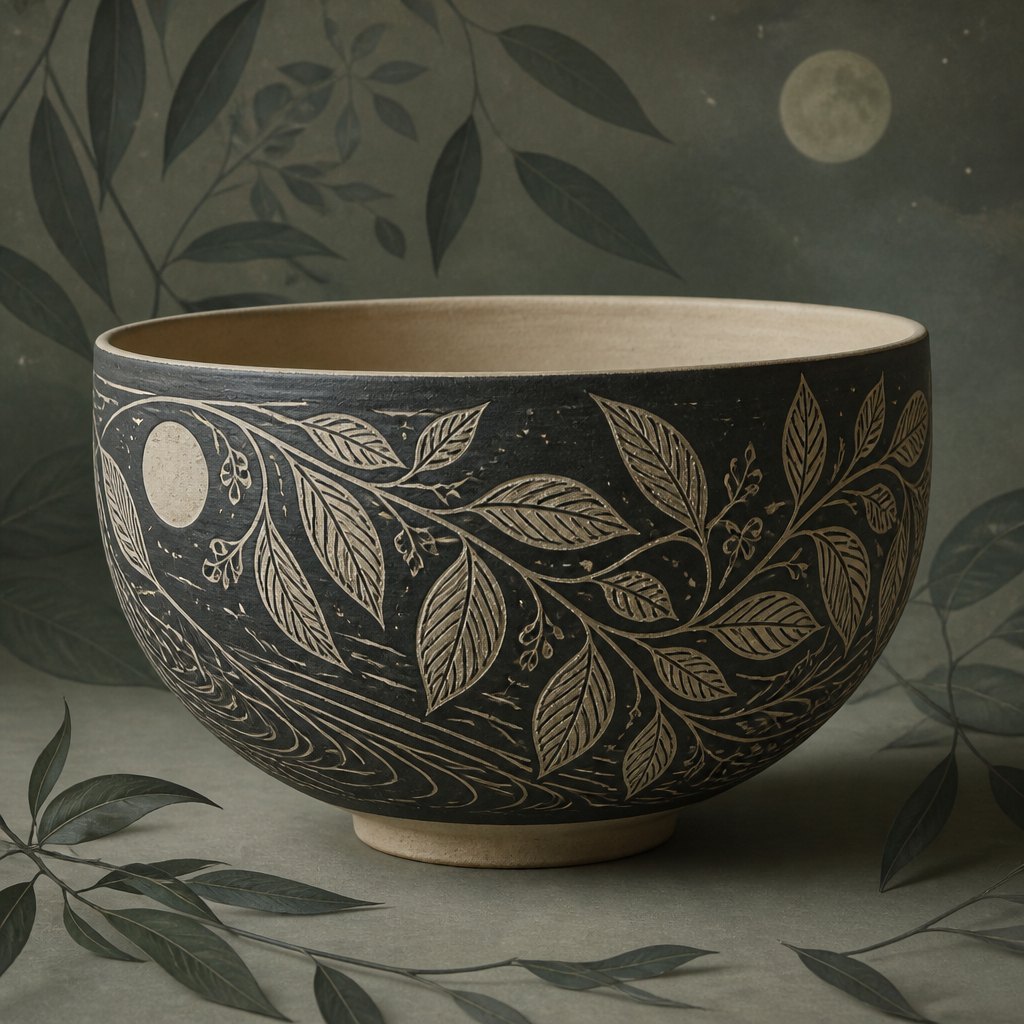 AI-generated
Try it with AI
Get the Sgraffito look in a generator
Ask for 'sgraffito' and describe the two-layer scratched effect directly: crisp linear grooves cut through a top color layer, a contrasting color showing through the scratched lines, slightly recessed drawn marks rather than painted ones. For ceramics, mention slip and clay contrast, like dark slip scratched to reveal pale clay beneath, or the reverse. For architecture, mention plaster and facade, light and dark render layers, weathered exterior wall. Keep the linework confident and drawn-feeling, since sgraffito reads as etched drawing rather than smooth painted color.
Frequently asked questions
What is sgraffito?
Sgraffito is a technique that creates a design by scratching through a top layer of material, like clay slip, plaster, or paint, to reveal a different-colored layer underneath, drawing in negative by removing material rather than adding it.
Is sgraffito used in ceramics or on walls?
Both. Ceramic sgraffito scratches through colored slip on clay before firing; architectural sgraffito scratches through a top layer of tinted plaster on building exteriors, a technique especially associated with Renaissance and later European facades.
What tools do you need for sgraffito?
A needle tool or loop tool for ceramics, or simple scratching and trowel tools for plaster work; the key requirement is timing the surface's firmness correctly, not specialized equipment.
Can sgraffito be combined with glaze?
Yes — ceramic sgraffito is typically finished with a clear or lightly tinted glaze after firing, which protects the scratched surface and can deepen the contrast between the two exposed clay colors.