 Art
Art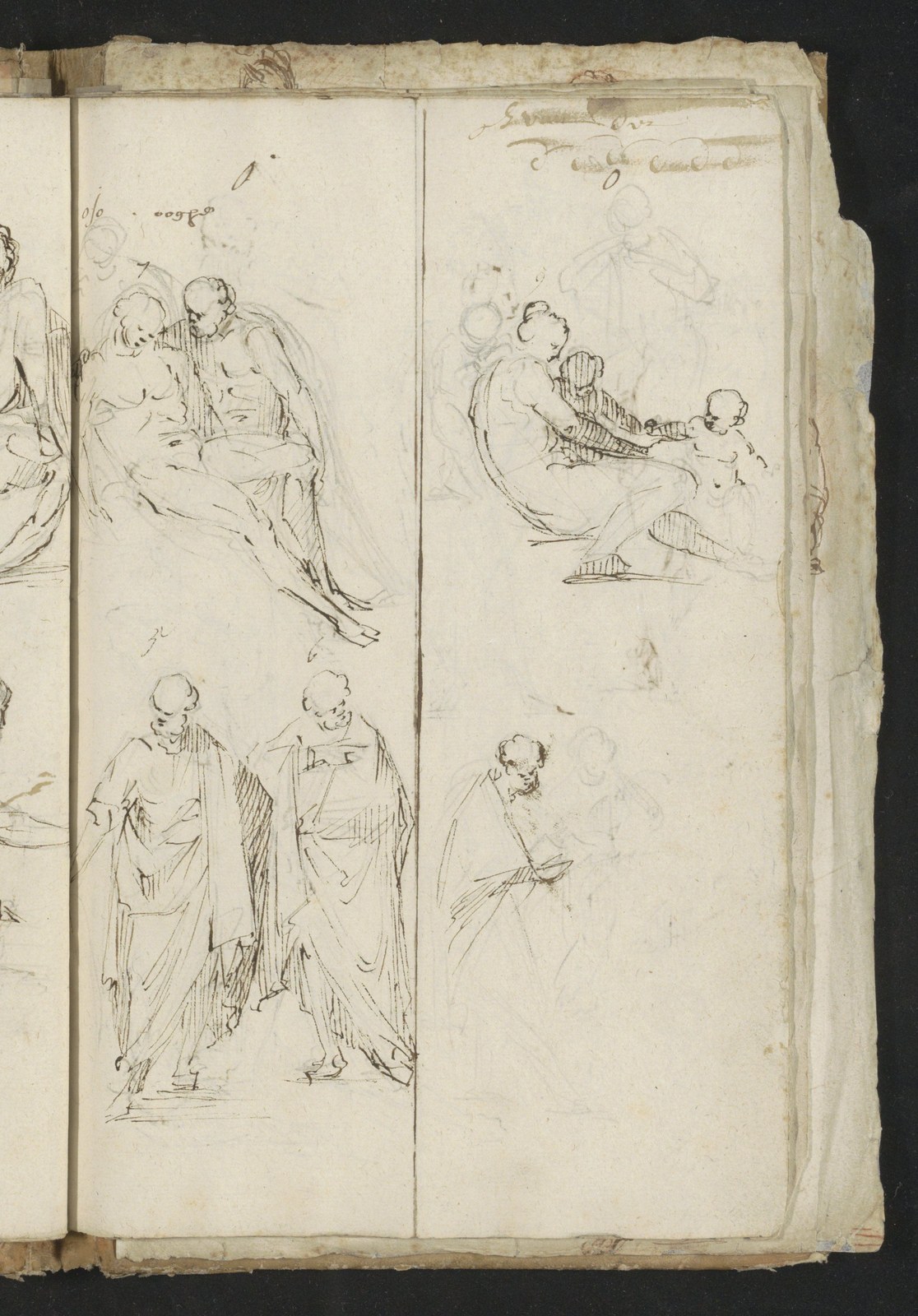
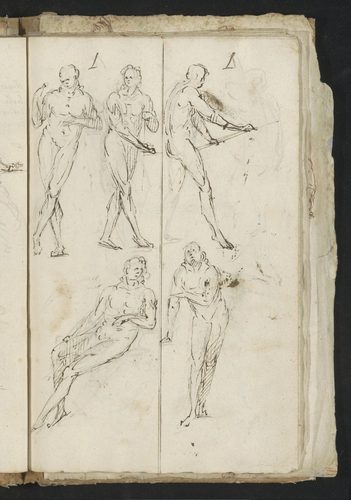
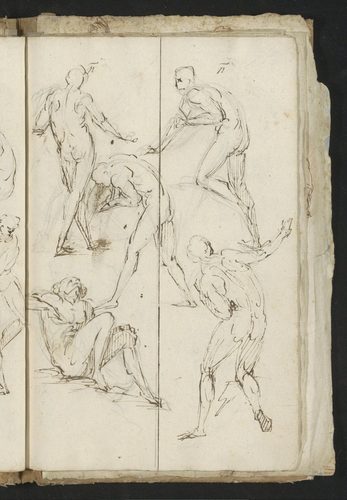
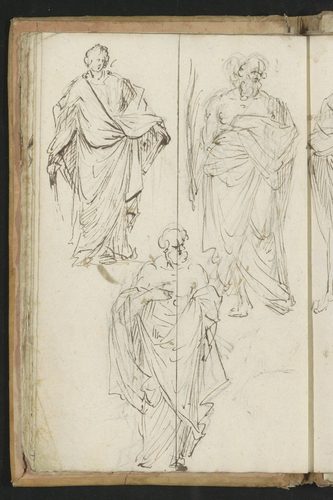
Gesture drawing is a rapid sketching technique that captures the energy, movement, and weight of a pose rather than its precise outline or detail. Working in anywhere from thirty seconds to a few minutes per drawing, the artist chases the pose's line of action — the sweeping curve that carries a figure's balance and thrust — instead of measuring proportions or rendering features.
Speed is the whole method: there simply isn't time to second-guess a line or erase a mistake, so the hand has to commit and the eye has to prioritize what actually matters about the pose. Loose, overlapping, searching lines are normal and expected, not a sign of a bad drawing.
Figure-drawing classes build entire sessions around it, running through dozens of short poses in a row, because gesture is what teaches an artist to see the whole body's action first and its details only afterward — a skill no amount of slow, careful rendering can substitute for.
How to spot it
- 01Loose, quick, often overlapping lines instead of a single clean outline.
- 02A sweeping line of action running through the whole pose, carrying its balance.
- 03Little to no facial or clothing detail — the focus stays on movement and weight.
- 04Visible searching marks where the artist redrew a limb's angle rather than erasing.
- 05Poses that look mid-motion or off-balance, caught rather than posed still.
The Gesture Drawing workshop card
seconds per sketch, weeks of repetition to clickMaterials
- soft graphite (4B–6B) or charcoal
- large newsprint pad
- vine charcoal for very loose work
- timer for timed pose sessions
- a moving or posed model, or timed reference images
- kneaded eraser (used sparingly)
Steps
- 1
Find the line of action first
Before anything else, locate the single sweeping curve that carries the pose's balance and thrust — usually running from the head through the spine into the weight-bearing leg — and lay that line down first.
- 2
Work large and loose
Use your whole arm, not just your wrist, and keep the marks big and free; tight, careful strokes take too long and kill the sense of motion you're chasing.
- 3
Set a short timer
Cap each pose at thirty seconds to two minutes when starting out — the time pressure is what forces you to prioritize the pose's essential action over unnecessary detail.
- 4
Block in weight and balance
Mark where the body's weight sits over its base, and check that the figure doesn't look like it would topple over; balance reads instantly even in a rough sketch.
- 5
Skip the details entirely
Leave out fingers, facial features, and clothing folds on a first pass; details eat time you don't have and distract from the pose's overall energy.
- 6
Layer searching lines instead of erasing
If a limb's angle looks wrong, draw the corrected line right over the first attempt rather than stopping to erase — the overlapping lines are part of gesture drawing's normal texture.
- 7
Repeat with new poses
Run through many short poses in a row rather than perfecting one; gesture drawing builds skill through volume and repetition, not through polishing a single sketch.
Classic mistakes
Drawing an outline instead of gesture
Carefully tracing the model's silhouette produces a stiff, static shape; gesture drawing needs the sweeping internal line of action, not a careful contour.
Adding detail too early
Rendering a face or hand in a thirty-second pose wastes the little time available and leaves no time to capture the pose's overall energy and balance.
Working too slowly for the time limit
Overthinking each mark defeats the purpose; gesture drawing depends on quick, instinctive decisions, not careful, measured ones.
Ignoring weight and balance
A pose that looks like it would fall over reads as wrong immediately, even if individual proportions are accurate; balance matters more than detail.
Where it comes from
Gesture drawing grew out of life-drawing studio practice, where models could only hold a demanding pose for a short time and instructors needed students to record its essential action before it collapsed back to rest. Quick sketching had long been part of an artist's working method — preparatory studies for larger compositions relied on the same fast, searching line — but gesture drawing became formalized as its own exercise in 20th-century art schools, run as timed sessions of thirty-second to five-minute poses.
Animation studios adopted it heavily for character and motion work, since a convincing walk cycle or action pose depends on the same sense of weight and line of action that gesture drawing trains. It remains a warm-up staple in figure-drawing classes worldwide.
See it done perfectly
| Work | Maker | Date | What to look at |
|---|---|---|---|
| Quick ballet studies | Edgar Degas | late 19th century | Rapid pencil and pastel sketches of dancers in motion, capturing pose and balance before finishing details. |
| Café-concert performer sketches | Henri de Toulouse-Lautrec | 1890s | Loose, economical lines chase a performer's motion and energy rather than exact likeness. |
| Character pose studies | Unknown | 20th century onward | Animation studios built gesture drawing into standard training, since a convincing pose depends on the same sense of weight and action. |
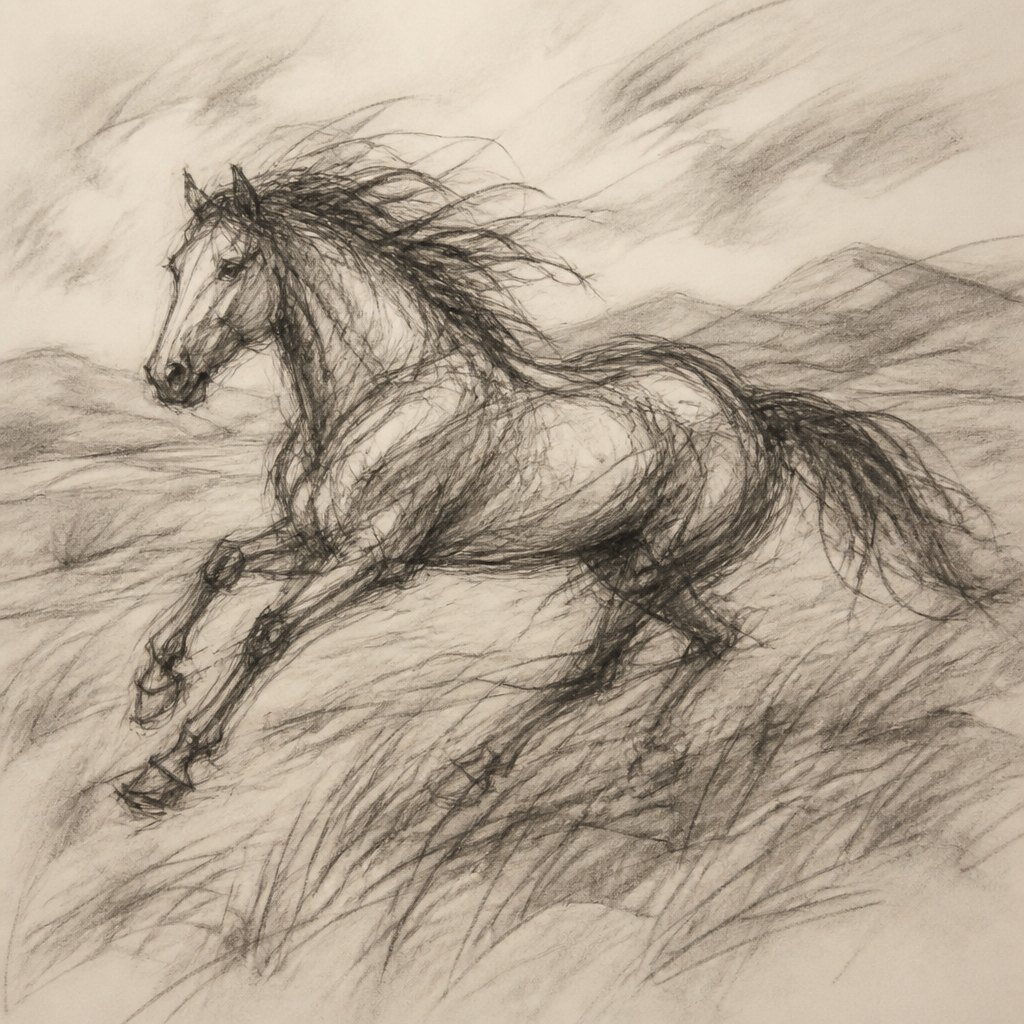 AI-generated
Try it with AI
Get the Gesture Drawing look in a generator
To evoke gesture drawing, use phrases like 'loose gesture sketch,' 'quick line-of-action drawing,' 'expressive sketchy linework,' or 'rapid figure study.' Mention 'no detail, energy only' or 'unfinished sketchy lines' so the model doesn't render a polished, detailed figure instead. Words like 'searching lines,' 'overlapping strokes,' or 'confident loose marks' evoke the layered, uncorrected quality of a timed sketch, while 'charcoal' or 'soft pencil on newsprint' as a medium cue keeps the texture appropriately rough and fast.
Frequently asked questions
What is gesture drawing?
Gesture drawing is a fast sketching technique that captures a pose's motion, energy, and weight in a matter of seconds to minutes, using loose lines instead of careful outline.
How long should a gesture drawing take?
Anywhere from thirty seconds to about five minutes; the short time limit is intentional, forcing you to prioritize the pose's essential action over detail.
Do I need a live model?
No — timed photo references or even short video clips paused on interesting poses work well, though a moving model offers the most realistic practice.
Can gesture drawing help with digital art or animation?
Yes — it's a core animation skill, since believable poses and motion depend on the same sense of weight and line of action gesture drawing trains.