 Art
Art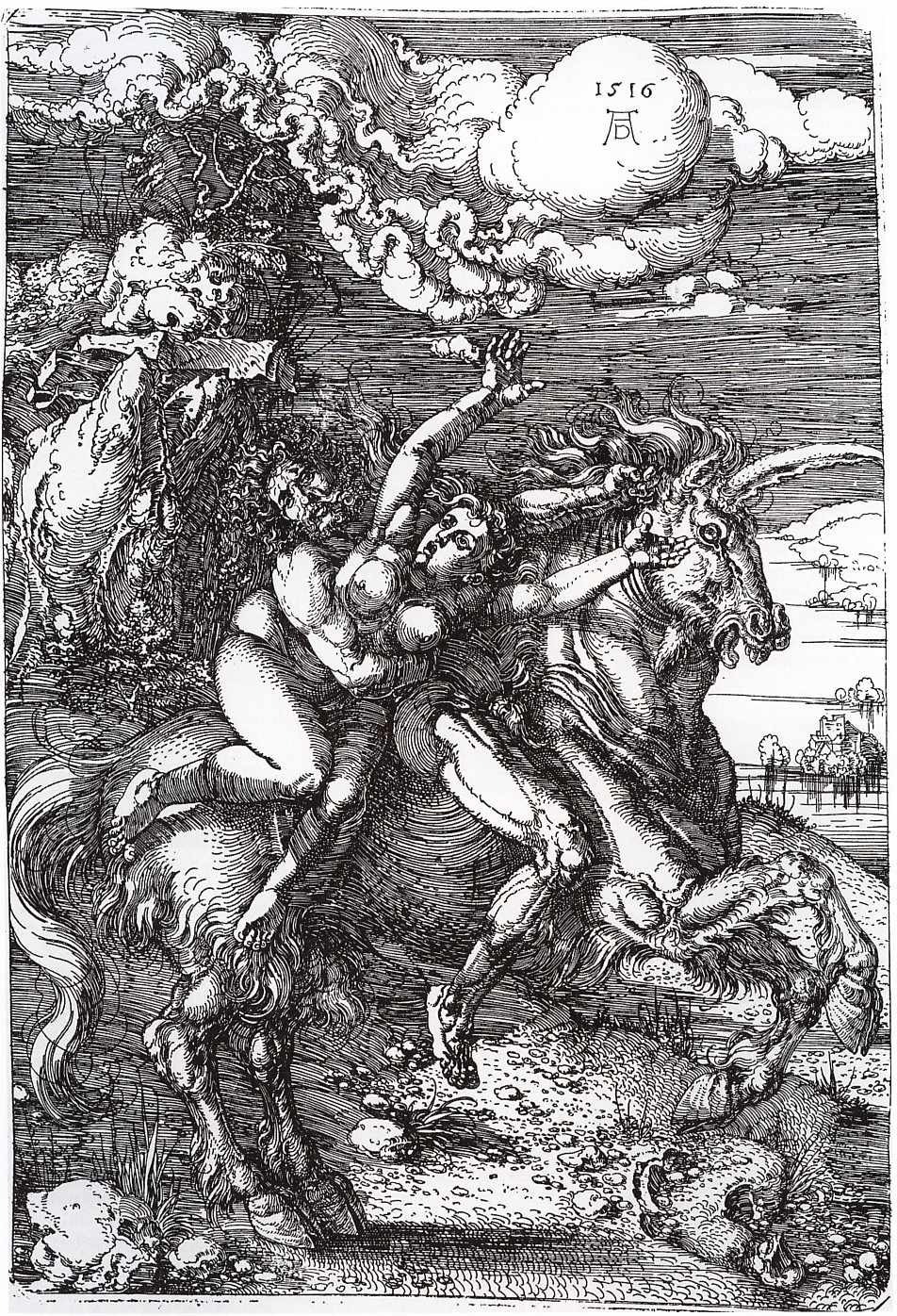
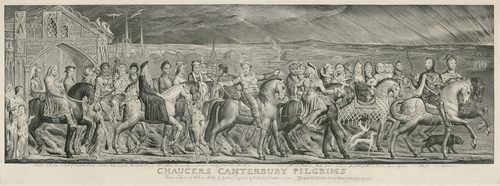
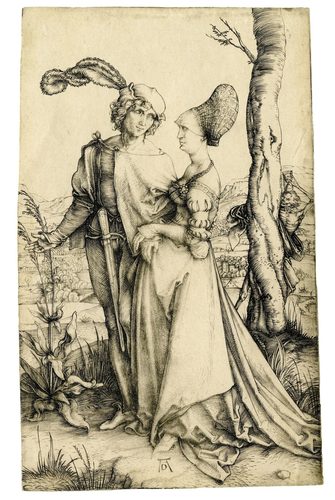
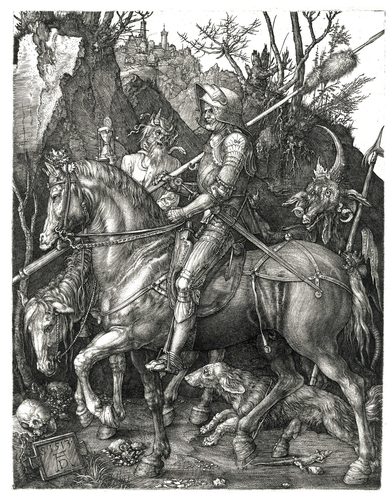
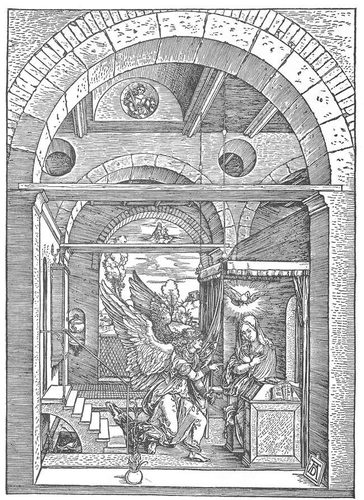
Hatching is a drawing technique that builds tone, shadow, and volume using a series of parallel lines instead of smudged or blended shading. Draw the lines close together and the eye reads dense shadow; space them out and the eye reads light. Vary the line's weight, direction, or spacing and a flat sheet of paper starts to describe a curving cheek, a folded sleeve, or the underside of a cloud.
Because it never smears, hatching keeps a drawing crisp and linear even in its darkest passages — which is exactly why printmakers adopted it centuries before pencil hatching became a sketchbook habit. A burin or etching needle cannot blend graphite the way a fingertip can, so engravers built an entire tonal language out of nothing but grouped lines, teaching generations of artists to see shading as a structure of strokes rather than a smudge.
Today it remains the fastest way to model form with a pen, where erasing and blending aren't options at all.
How to spot it
- 01Rows of straight or curved lines running the same direction across a shaded area.
- 02Shadows built from line density, not smudged graphite or blended tone.
- 03Lines that follow the curve of a form, thickening where the shadow deepens.
- 04Crisp, unsmudged darks even in the deepest shadow passages.
- 05Visible in old engravings and etchings as the sole source of tone.
The Hatching workshop card
an afternoon to learn, months to controlMaterials
- fine-nib technical or dip pen
- graphite pencils, H through 6B
- smooth, hot-pressed drawing paper
- india ink
- kneaded eraser for line cleanup
- ruler or straightedge for mechanical hatching
Steps
- 1
Establish the light source
Decide where light hits the form before drawing a single line — every hatching stroke you make afterward answers to that one decision, since shadow shape depends entirely on it.
- 2
Block in shadow shapes
Lightly sketch the outer edge of each shadow area first, so your hatching has a boundary to fill rather than fading out unpredictably partway across the form.
- 3
Lay the first pass of lines
Draw parallel strokes at a consistent angle across the shadow shape, keeping pressure and spacing even — this first pass sets the lightest value in your shaded range.
- 4
Layer for deeper shadow
Add a second, then a third pass of lines over the darkest areas, tightening the spacing each time rather than pressing harder — density builds dark, not pressure.
- 5
Curve the lines with the form
Bend the hatching direction to follow the surface you're describing — lines that wrap around a cylinder read as volume, while straight lines read as flat pattern.
- 6
Vary line weight at edges
Let lines taper and thin near the edge of a shadow so the transition looks organic rather than cut off with a hard, ruled edge.
- 7
Check values from a distance
Step back or squint periodically — hatching that looks fine up close can read as a confusing gray mush once the individual lines blur together at a glance.
Classic mistakes
Pressing harder for dark shadow
Heavier pressure just makes thicker, muddier lines — real depth comes from adding more lines close together, not leaning on the pencil.
Crossing the paper edge to edge
Lines that run corner to corner regardless of the form flatten everything into a woven pattern instead of describing volume; let direction follow the surface.
Uneven spacing
Gaps and clumps of line make shadows look patchy rather than smooth; keep spacing consistent within each pass, then add whole new passes for darker values.
Ignoring the edge taper
Lines that stop abruptly at a hard boundary look pasted on; taper the ends so a shadow fades rather than snaps off.
Where it comes from
Hatching predates any single artist — it developed in pen-and-ink drawing well before engraving, though engravers and etchers, whose plates offered no way to smudge a line into a soft shadow, pushed it furthest. Renaissance printmakers turned the limitation into a system, using tightly spaced parallel strokes to model faces, drapery, and landscape with only line. Pen-and-ink draftsmen absorbed the habit, since ink resists blending much the way a burin does, and hatching became the default way to shade a drawing that could never be softened by a thumb.
By the 19th century, illustrators and printmakers had pushed hatching into its own expressive language — line direction alone could describe a form's contour, independent of tone. It remains fundamental instruction in drawing programs, valued precisely because it forces an artist to think about shadow as structure rather than smudge.
See it done perfectly
| Work | Maker | Date | What to look at |
|---|---|---|---|
| Sistine Chapel ceiling studies | Michelangelo | c. 1508–1512 | Red chalk hatching builds anatomical volume stroke by stroke. |
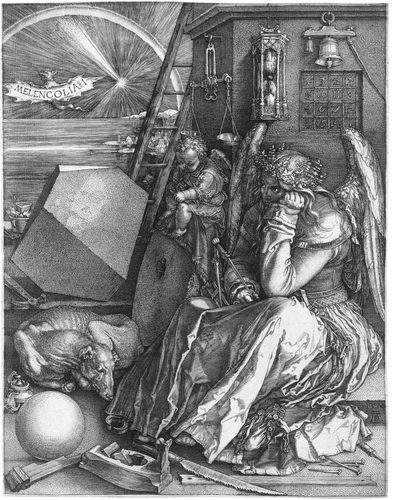
| Melencolia I | Albrecht Dürer | 1514 | Engraved hatching lines swell and taper to model every surface. |
| Reed pen landscape drawings | Vincent van Gogh | 1888 | Dense hatched dashes stand in for wheat, sky, and cypress texture. |
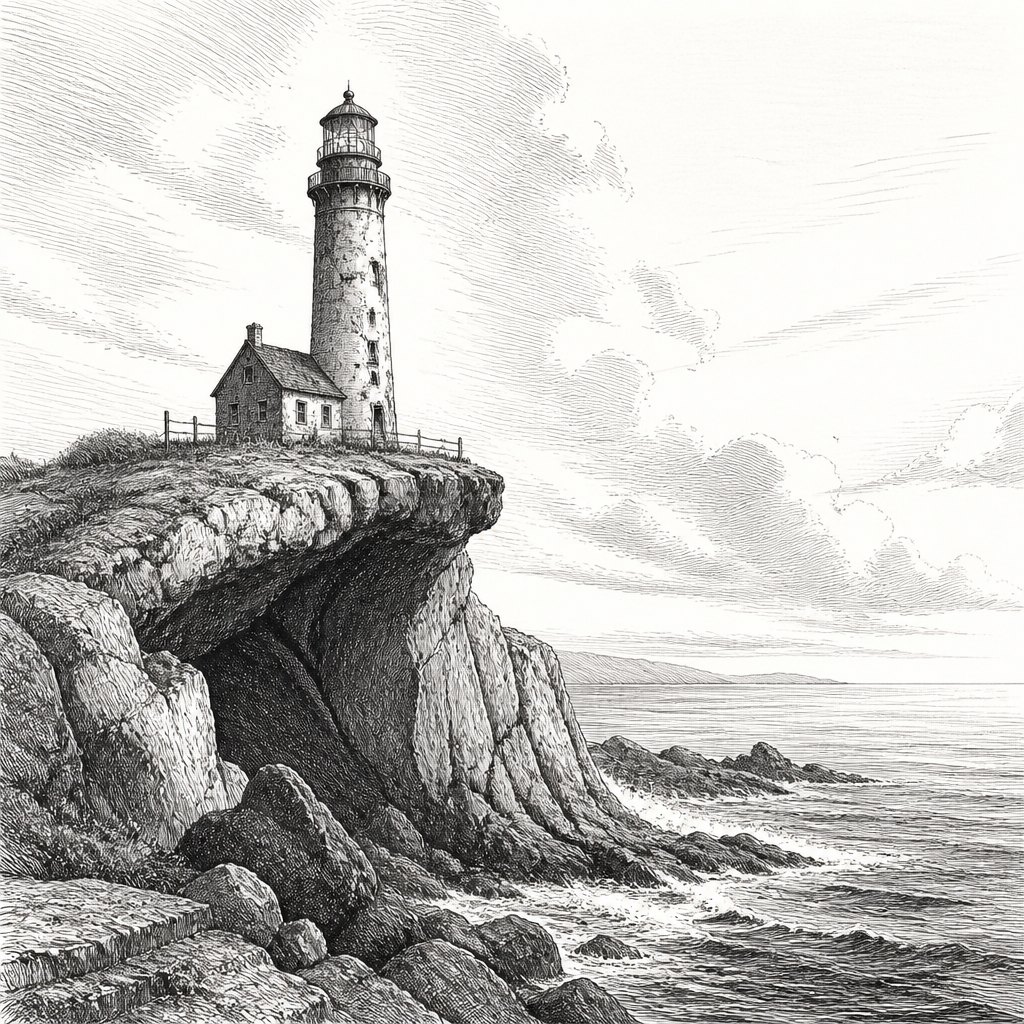 AI-generated
Try it with AI
Get the Hatching look in a generator
To evoke hatching in an AI image generator, reach for words like 'pen-and-ink hatching,' 'parallel line shading,' 'engraving-style linework,' or 'cross-hatched shadow.' Pair them with a medium cue — 'ink on paper,' 'copperplate engraving,' or 'technical pen drawing' — since the model needs to know lines, not soft gradients, should carry the tone. Adding 'fine linework,' 'high contrast,' or 'monochrome linework' pushes the render away from painterly blending. Mentioning 'line density' or 'tightly spaced strokes' for shadows and 'sparse lines' for highlights helps the model separate light from dark the way a hatcher would.
Frequently asked questions
What is hatching?
Hatching is a drawing technique that builds shadow and form using rows of parallel lines instead of blended shading — line density, not smudging, creates the dark and light values.
What's the difference between hatching and cross-hatching?
Hatching uses lines running one direction; cross-hatching layers a second set of lines over the first at an angle for even darker, denser shadow.
Can I hatch with a ballpoint pen?
Yes — ballpoint is one of the most forgiving tools for hatching, since its consistent line width makes even spacing easy to control.
Does hatching work for digital drawing?
Yes, most digital brushes can lay clean parallel strokes, and some drawing apps even offer hatching brush presets that space lines automatically.