 Art
Art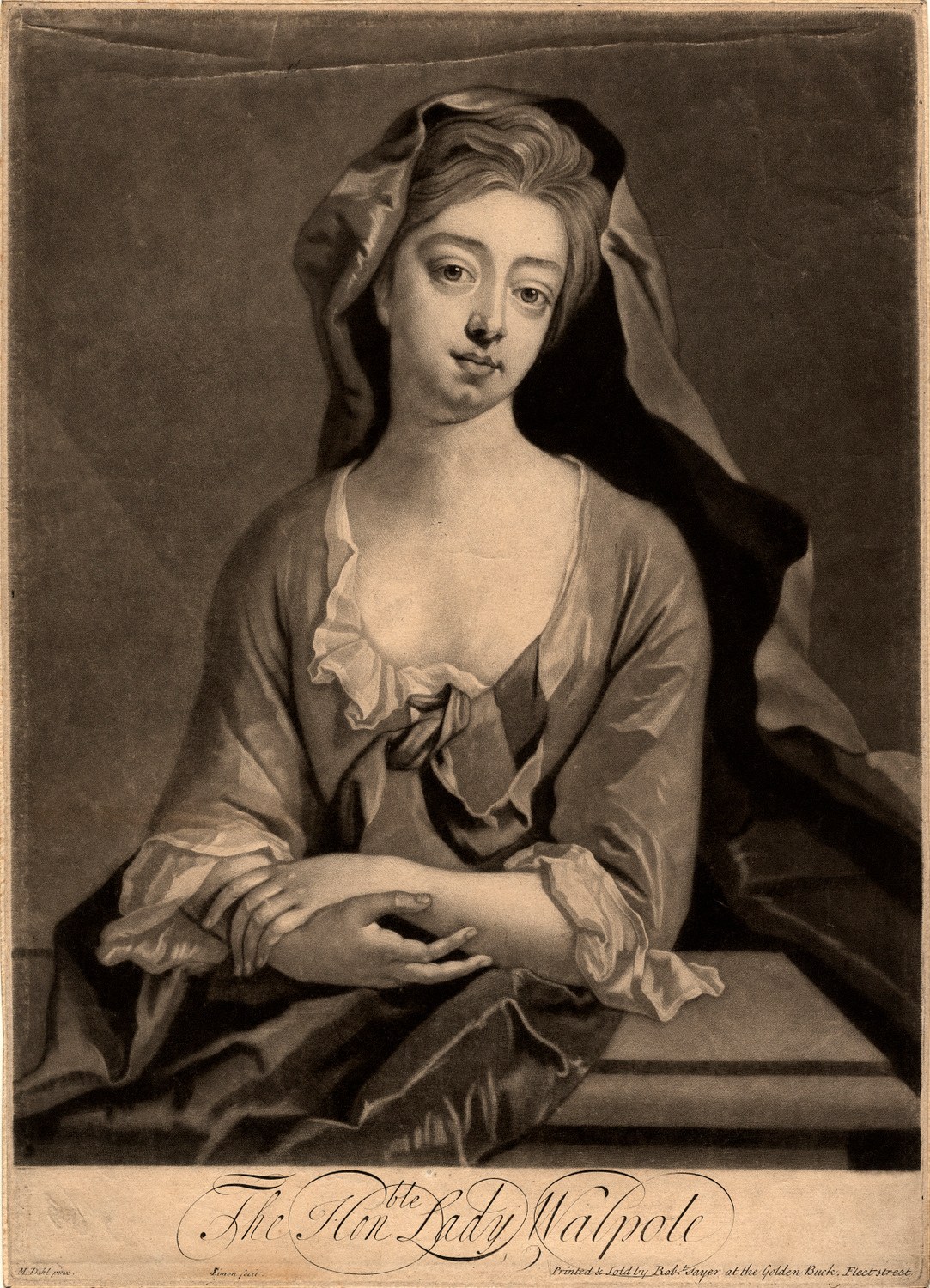
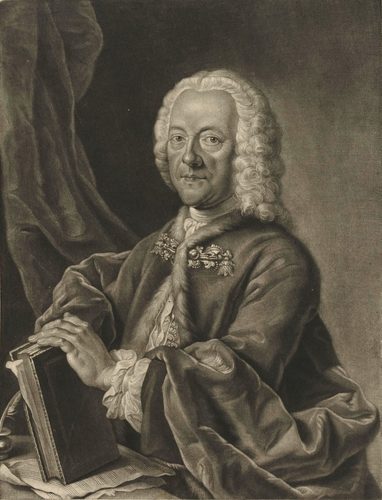
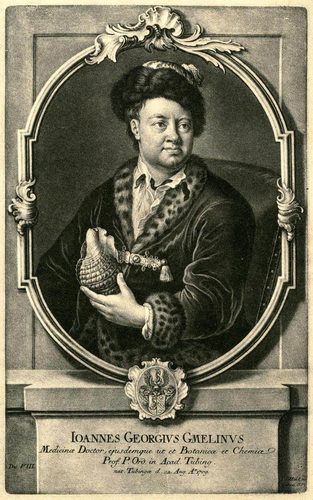

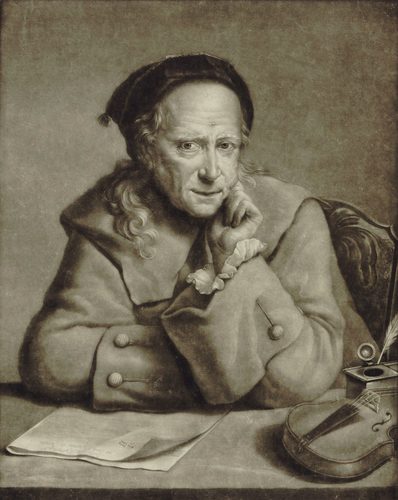
Mezzotint is a printmaking technique that begins by mechanically roughening an entire copper plate with a toothed tool called a rocker, so that if inked and printed at this stage it would produce a rich, even, velvety black. The artist then works backward from that darkness, using scrapers and burnishers to smooth down areas of the roughened surface—smoother texture holds less ink and prints lighter, and fully burnished areas print pure white. Because the image emerges from dark to light rather than being built up line by line, mezzotint produces extraordinarily smooth tonal gradations, without the crosshatching or dot patterns other print methods need to suggest shading. Artists reach for mezzotint when they want deep, luminous blacks and soft, continuous transitions—qualities especially prized in candlelit portraits and moody, atmospheric scenes. It is slow and physically demanding to prepare, which is part of why mezzotints feel so deliberate and rich.
How to spot it
- 01Extremely smooth, continuous tonal gradation with no visible crosshatching or dots
- 02Deep, velvety, almost photographic blacks unlike any linear print method
- 03Soft-focus, candlelit quality especially in portraits and night scenes
- 04Light areas that look burnished and polished rather than drawn
- 05A faint, even grain visible only under magnification in mid-tone passages
The Mezzotint workshop card
days per plate, months to master controlMaterials
- copper plate
- rocker (toothed rocking tool)
- scrapers and burnishers
- oil-based intaglio ink
- tarlatan cloth for wiping
- dampened printmaking paper
- hand-cranked intaglio press
- straightedge for guiding the rocker
Steps
- 1
Rock the entire plate
Work the toothed rocker across the copper plate in overlapping passes, from multiple angles, until the whole surface holds an even, fine burr that would print solid black.
- 2
Check the ground
Ink a test pull to confirm the freshly roughened plate prints a uniform, rich, even black with no streaks before you start to burnish it.
- 3
Transfer the composition
Lightly mark the full design onto the roughened surface as a careful guide for exactly where the lightest highlights and deepest shadows will eventually emerge.
- 4
Burnish the lightest areas first
Polish the roughest ground smoothest where you want pure white or the very brightest highlights, since full burnishing removes the texture that holds ink entirely.
- 5
Scrape and burnish mid-tones
Work back through a full range of partial burnishing for the grays, constantly test-printing along the way to judge exactly how each pass changes the tone.
- 6
Preserve the darkest passages
Leave the deepest shadows completely untouched so the original rocked texture keeps holding the maximum possible amount of ink all the way through the printing process.
- 7
Ink and wipe carefully
Work the ink evenly into the textured surface and wipe gently and slowly, since the delicate burr can flatten quickly under any rough or careless handling.
- 8
Print and evaluate
Pull a fresh test impression under heavy, even press pressure, then compare the tonal transitions carefully against your original plan before burnishing any further still.
Classic mistakes
Uneven rocking
Skipping angles or passes while rocking the plate leaves patchy areas that won't print an even black, ruining the tonal foundation.
Over-burnishing early
Polishing an area too smooth too soon removes texture you can't easily restore, losing the chance to leave subtle mid-tones there.
Rushing the ground
A shortcut, lightly rocked ground can't hold a deep enough black, flattening the dramatic dark-to-light range mezzotint is known for.
Rough plate handling
Careless wiping or stacking of plates scuffs the delicate rocked texture, degrading tone well before the image is even finished.
Where it comes from
Mezzotint was invented in the mid-seventeenth century, credited to Ludwig von Siegen, and refined soon after for reproducing paintings in print. It became especially popular in eighteenth-century Britain, where it excelled at translating oil portraits—their soft modeling and rich shadow—into affordable prints; the technique is sometimes called 'the English manner' because British printmakers dominated its use for reproducing society portraiture. Mezzotint's velvety tonal range made it the print medium of choice before photography for capturing the look of painted light. Because roughening and burnishing an entire plate by hand is extremely labor-intensive, and because the delicate rocked burr wears down quickly under the press, mezzotint editions were always small, and the technique faded commercially once photomechanical reproduction arrived, though it survives today as a demanding fine-art specialty.
See it done perfectly
| Work | Maker | Date | What to look at |
|---|---|---|---|
| Mezzotint reproductions after Sir Joshua Reynolds | Valentine Green | 1770s–80s | Spread Reynolds' portrait compositions across Europe, cementing mezzotint's role as the leading reproduction medium for painted portraits. |
| Mezzotint illustrations for Paradise Lost | John Martin | 1820s | Used mezzotint's deep blacks and luminous light passages to build dramatic, apocalyptic scenes of cosmic scale. |
| Mezzotint still lifes | Yozo Hamaguchi | mid-to-late 20th century | Revived mezzotint as a fine-art medium with luminous, velvety-black still lifes of fruit and everyday objects. |
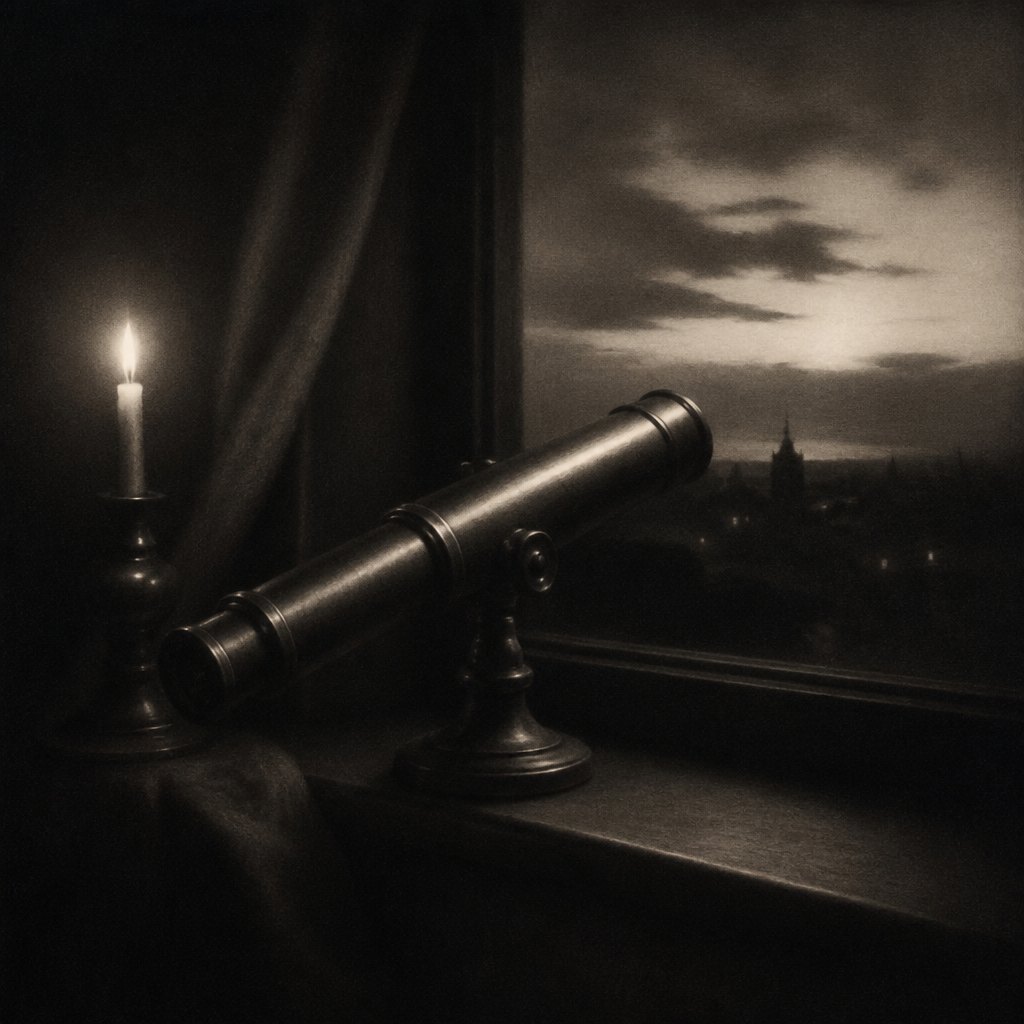 AI-generated
Try it with AI
Get the Mezzotint look in a generator
To suggest mezzotint in an AI prompt, lead with tone rather than line: 'deep velvety black,' 'smooth continuous gradation,' 'luminous soft-focus shading,' or 'candlelit tonal depth.' Ask for images with no visible outlines or crosshatching—mezzotint builds form purely through light and dark blending into each other. Words like 'rich shadow,' 'polished highlight,' and 'atmospheric darkness' help. A monochrome or near-monochrome palette on toned paper reinforces the antique print feel. Avoid crisp edges, flat color fills, or linear hatching, since those contradict mezzotint's signature smoothness.
Frequently asked questions
What is mezzotint?
Mezzotint is a printmaking technique that starts by roughening an entire copper plate to print solid black, then the artist burnishes areas smooth to create lighter tones, building the image from dark to light.
Why does mezzotint look so smooth?
Because tone comes from varying how much texture is burnished away rather than from lines or dots, mezzotint produces continuous, photograph-like gradations other print methods can't easily match.
Why are mezzotint editions so small?
The delicate rocked texture that holds ink wears down quickly under repeated press pressure, so only a limited number of strong impressions can be pulled before quality drops.
Is mezzotint still used today?
Yes, though rarely commercially. A small number of dedicated printmakers still practice mezzotint for its unmatched tonal depth and luminous, velvety blacks.