 Art
Art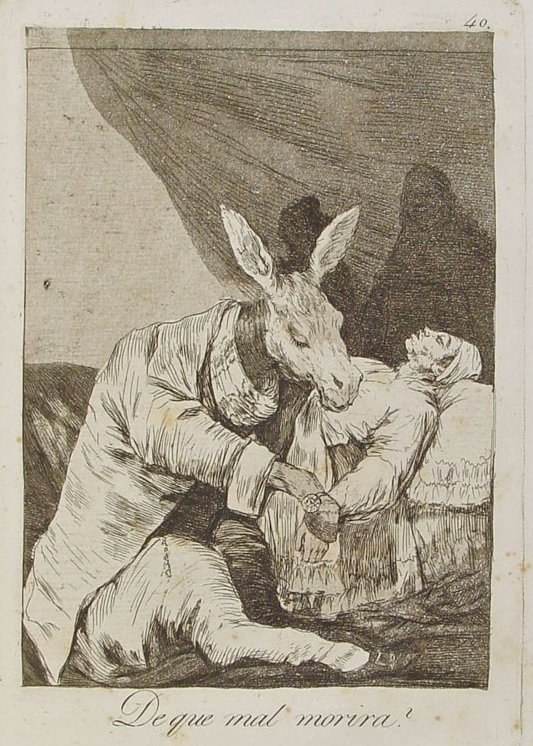
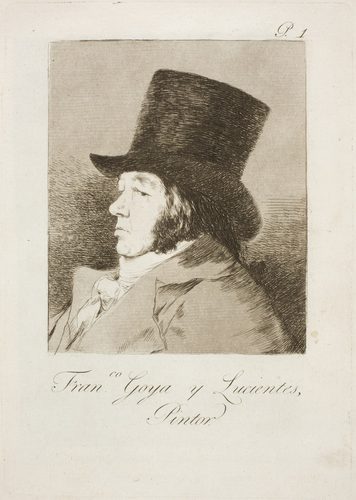
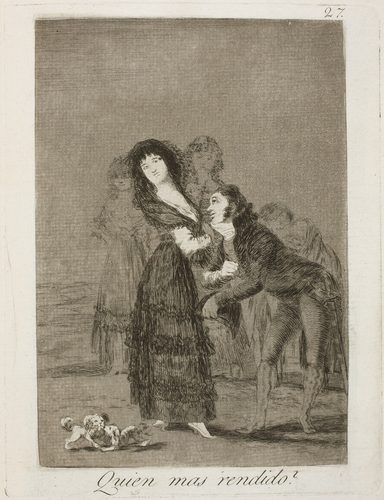
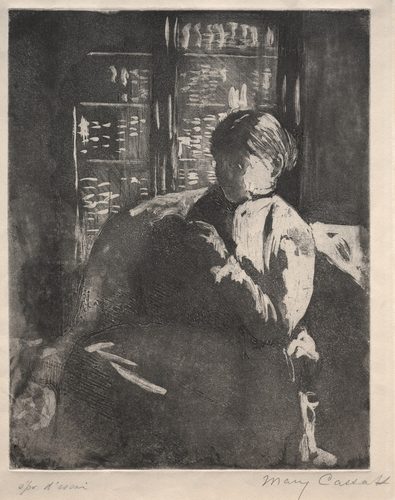
Aquatint is a printmaking technique that etches flat, even areas of tone—rather than lines—onto a metal plate. The artist dusts the plate with fine, heat-fused resin or rosin particles, then exposes it to acid, which bites tiny pits around each grain while the grains themselves stay protected; printed, this pitted texture holds ink evenly and reads as a smooth wash of gray or black, its depth controlled by how long the plate stayed in the acid. Because it produces tone rather than line, aquatint is almost always paired with etched or engraved linework to build a complete image, filling skies, shadows, and backgrounds the way watercolor washes fill a drawing. Artists reach for aquatint when they want painterly, atmospheric tone without resorting to laborious crosshatching, and its capacity for velvety darks and soft gradations made it a favorite for dramatic, moody compositions from its earliest use onward.
How to spot it
- 01Flat, even washes of gray or black instead of hatched lines
- 02A faint, granular, almost sandpaper-like texture visible under close inspection
- 03Watercolor-like tonal areas paired with crisp etched or engraved outlines
- 04Layered tones of different depths, like overlapping washes, in a single print
- 05Soft atmospheric backgrounds behind sharper linear foreground detail
The Aquatint workshop card
days per plate, years to master tonal controlMaterials
- copper or zinc plate
- powdered rosin or spray resin
- acid bath (mordant)
- hot plate for fusing resin
- stop-out varnish for masking tones
- oil-based intaglio ink
- dampened printmaking paper
- hand-cranked intaglio press
Steps
- 1
Dust the plate
Apply an even cloud of fine rosin or resin powder in a dust box or by spray can, controlling grain size and density; wear a respirator, since airborne rosin dust is an inhalation hazard.
- 2
Fuse the grain
Gently heat the plate so each resin particle melts just enough to stick firmly in place, leaving tiny bare gaps of metal between the grains.
- 3
Mask the lightest areas
Paint stop-out varnish carefully over any parts of the plate meant to stay white or the very lightest tone before the first full acid bath.
- 4
Bite the plate in stages
Lower the plate into the acid for a timed interval, then remove and mask the next-lightest tone, repeating so each acid bath darkens fewer, deeper areas.
- 5
Track your bite times
Keep careful notes on how long each tone stayed in the acid, since bite duration is the main variable controlling how dark each area will print.
- 6
Combine with linework
Etch or engrave crisp outlines on the same plate before or after aquatinting, since aquatint alone reads as a soft mass without any defining edges.
- 7
Ink and wipe the plate
Work the ink well into both the aquatint grain and any linework, then wipe evenly so the tonal areas keep their soft, even, watercolor-like quality.
- 8
Print and compare
Pull a fresh test impression and check carefully whether the tonal steps read clearly against each other before deciding if more acid biting is needed.
Classic mistakes
Uneven resin dusting
A patchy or clumped resin dust layer bites unevenly in the acid bath, leaving blotchy tone instead of a smooth, even wash.
Overheating the resin
Melting the grains too much fuses them into a solid sheet that resists acid entirely, losing the texture that holds ink.
Losing track of bite times
Guessing at acid exposure instead of timing each bath carefully makes the tonal steps unpredictable and genuinely hard to repeat.
Skipping ventilation
Working with acid baths in a poorly ventilated space is a real hazard; always ventilate well and wear appropriate protection.
Where it comes from
Aquatint emerged in the eighteenth century as printmakers sought a way to etch tone instead of only line, with Jean-Baptiste Le Prince credited among its early developers in France. Francisco Goya became its most celebrated master, using aquatint's velvety darks and washes across print series like Los Caprichos and The Disasters of War to build dramatic, atmospheric scenes far beyond what pure etched line could achieve. The technique spread through the nineteenth century as a way to imitate watercolor and wash drawings in reproducible form, and later found new purpose in color printmaking, where multiple aquatint plates could be layered for rich, painterly effects. It remains a core tool in the intaglio printmaker's kit today, almost always used alongside etched or engraved line rather than alone.
See it done perfectly
| Work | Maker | Date | What to look at |
|---|---|---|---|
| Los Caprichos | Francisco Goya | 1799 | Uses aquatint's velvety dark washes to build satirical, dreamlike scenes with dramatic tonal contrast. |
| The Disasters of War | Francisco Goya | 1810–1820 | Combines aquatint tone with etched line for stark, atmospheric depictions of war's brutality. |
| The Letter | Mary Cassatt | 1890–91 | Layers colored aquatint tones for flat, Japanese-print-inspired passages of pattern and shadow. |
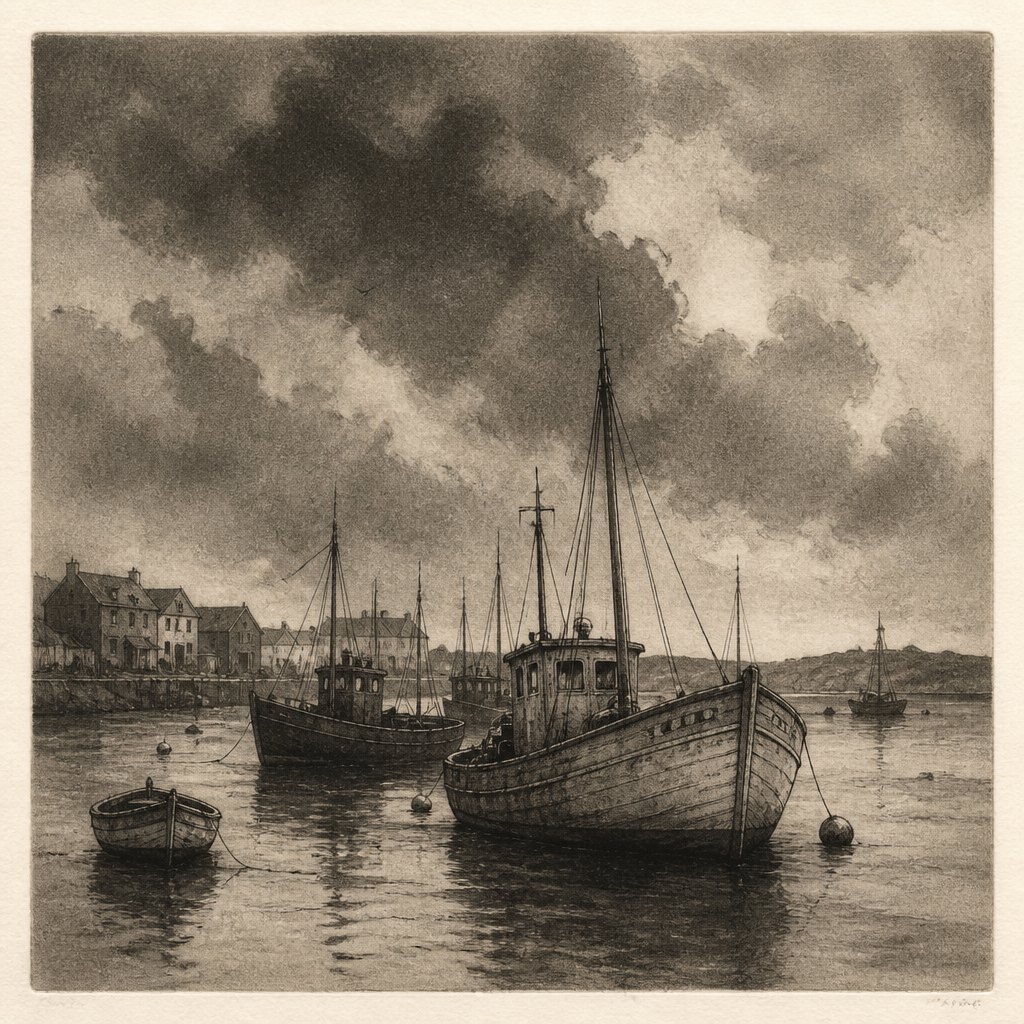 AI-generated
Try it with AI
Get the Aquatint look in a generator
To evoke aquatint in an AI prompt, ask for flat washes of tone rather than lines: 'soft granular tonal washes,' 'watercolor-like etched shading,' or 'layered gray tones with crisp linear outlines.' Describe a faint, sandy texture within the tonal areas alongside crisp black contour lines for structure. Words like 'atmospheric,' 'velvety wash,' and 'tonal depth' help. Suggesting distinct tonal steps—like layered washes rather than smooth gradients—reinforces the aquatint look, since it builds tone in discrete stages rather than continuous blending. Avoid describing brushstrokes or painterly texture, since the surface should stay flat and print-like.
Frequently asked questions
What is aquatint?
Aquatint is a printmaking technique that etches broad, even areas of tone onto a plate using acid and a fine resin dust, producing watercolor-like washes rather than lines.
How does aquatint create different shades of gray?
Darker tones come from longer acid exposure; the artist masks lighter areas with varnish between successive acid baths, building tone in controlled stages from light to dark.
Is aquatint used alone or with other techniques?
Almost always combined with etched or engraved line, since aquatint alone produces soft tonal masses without crisp edges to define the image.
Is aquatint dangerous to make?
It involves an acid bath, so it requires ventilation and basic chemical safety precautions; most art schools and studios teach it safely with proper equipment.