 Art
Art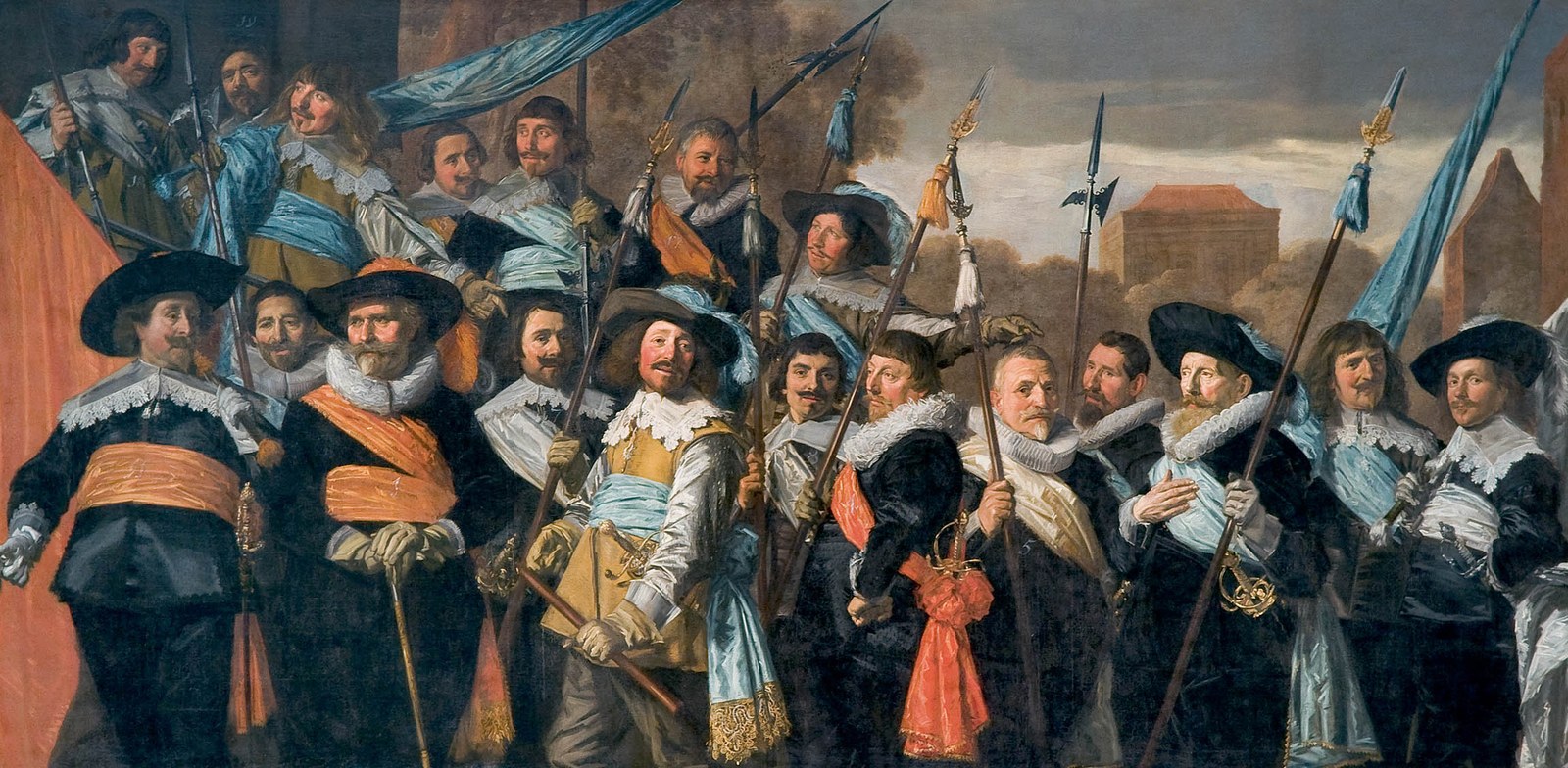
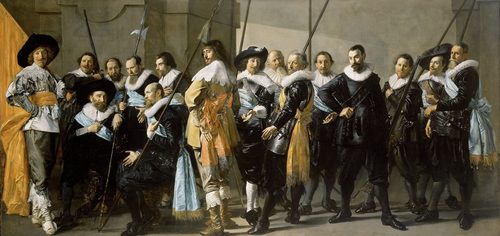
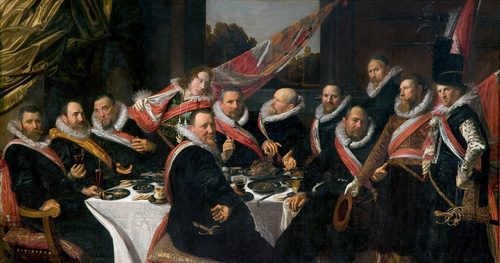
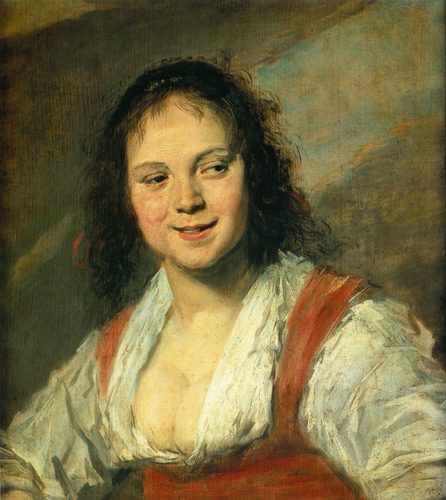
Alla prima is a painting method in which the entire picture is completed in one sitting while the paint is still wet, rather than built up in dried layers over days or weeks. Italian for 'at first attempt,' it favors direct, decisive color mixed on the palette or blended right on the canvas, with little to no underpainting or glazing afterward.
Because everything stays wet at once, colors can be pushed, dragged, and merged into each other on the surface, producing soft transitions and lively, unlabored brushwork that layered methods struggle to match. Painters reach for alla prima when they want to capture a fleeting effect — changing light, a moving subject, a live model's pose — before it disappears, or simply to keep a picture feeling fresh and immediate rather than overworked. It demands confident color mixing and fast decision-making, since there's little chance to fix mistakes without disturbing the wet paint already down.
How to spot it
- 01Soft, blended edges where wet colors were dragged directly into each other.
- 02Visible, confident brushstrokes with little to no underpainting showing through.
- 03A fresh, unlabored surface without the buildup of multiple dried layers.
- 04Colors mixed and adjusted right on the canvas rather than pre-mixed and flat.
- 05A sense of speed and spontaneity, as if painted quickly from life.
The Alla Prima workshop card
A single sitting, start to finishMaterials
- oil or acrylic paint suited to fast, wet blending
- filbert and flat bristle brushes
- a limited, pre-mixed palette for quick color decisions
- painting medium to keep paint workable
- a toned or lightly primed canvas
- palette knife for mixing large color masses
Steps
- 1
Tone the canvas
Start with a thin, neutral-colored wash over the white canvas so no stark white peeks through unpainted areas later. A warm gray or earth tone helps you judge values accurately from the first stroke.
- 2
Block in big shapes first
Establish the major masses of light, shadow, and color before any detail. Use a large brush and mix generous amounts of paint — alla prima depends on having enough wet color ready to work with.
- 3
Premix before you paint
Premix your major color notes on the palette rather than guessing and correcting on the surface. Fewer touch-ups mean less disturbing of paint that's already down.
- 4
Work largest to smallest
Move from big shapes to smaller ones, and from dark to light where possible. This keeps you from fussing over details before the overall structure is settled.
- 5
Blend directly on the canvas
Drag or scumble adjacent wet colors into each other with a clean brush to soften transitions between them, rather than premixing every gradation ahead of time on the palette.
- 6
Keep the brush clean
Wipe the brush between color changes so you're not muddying clean paint with leftover color from the last stroke. Muddy color is the fastest way to kill an alla prima passage.
- 7
Know when to stop
Once the wet paint has been reworked too many times it turns gray and dead. Recognize when a passage is working and leave it alone rather than chasing perfection.
Classic mistakes
Overworking the wet paint
Going back into the same passage too many times mixes all the colors into mud. Commit to a stroke and move on rather than fussing endlessly.
Not mixing enough paint
Running out of a mixed color mid-passage forces remixing that rarely matches exactly, breaking the unity of a wet-into-wet area. Mix more than you think you'll need.
Starting with too much detail
Diving into small details before the big shapes are settled leads to a patchwork picture that never reads as a whole. Block in large masses first.
Working too slowly
Alla prima depends on the paint staying wet and workable. Taking long breaks lets the surface begin to skin over, so colors resist blending cleanly.
Where it comes from
Alla prima grew alongside plein air and portrait painting, where artists needed to capture changing light or a sitter's brief availability before it slipped away. It gained ground in the 19th century as landscape painters worked directly outdoors, mixing color on the spot to catch a fleeting moment of weather or light rather than building a picture over successive studio sessions. Earlier direct painters had already used quick, wet-into-wet passages for portrait heads and sketches, but 19th-century painters made the whole finished canvas alla prima, brushwork and all, a visible part of the final image. The approach remains a core method in contemporary representational painting, especially for portraiture, still life, and outdoor studies done from direct observation.
See it done perfectly
| Work | Maker | Date | What to look at |
|---|---|---|---|
| Portrait busts and genre scenes | Frans Hals | 17th century | Rapid, visible brushstrokes laid down directly with little revision, prized for lively immediacy. |
| Portrait sketches and society portraits | John Singer Sargent | 1880s–1900s | Bold, wet-into-wet brushwork captures likeness and fabric in confident, visible strokes. |
| Portrait and figure studies | Édouard Manet | 1860s–1870s | Direct, economical brushwork built quickly, breaking from smooth academic layering. |
| Outdoor studies of grainstacks and cathedrals | Claude Monet | 1890s | Loose, direct brushwork built quickly in front of the motif to catch shifting light. |
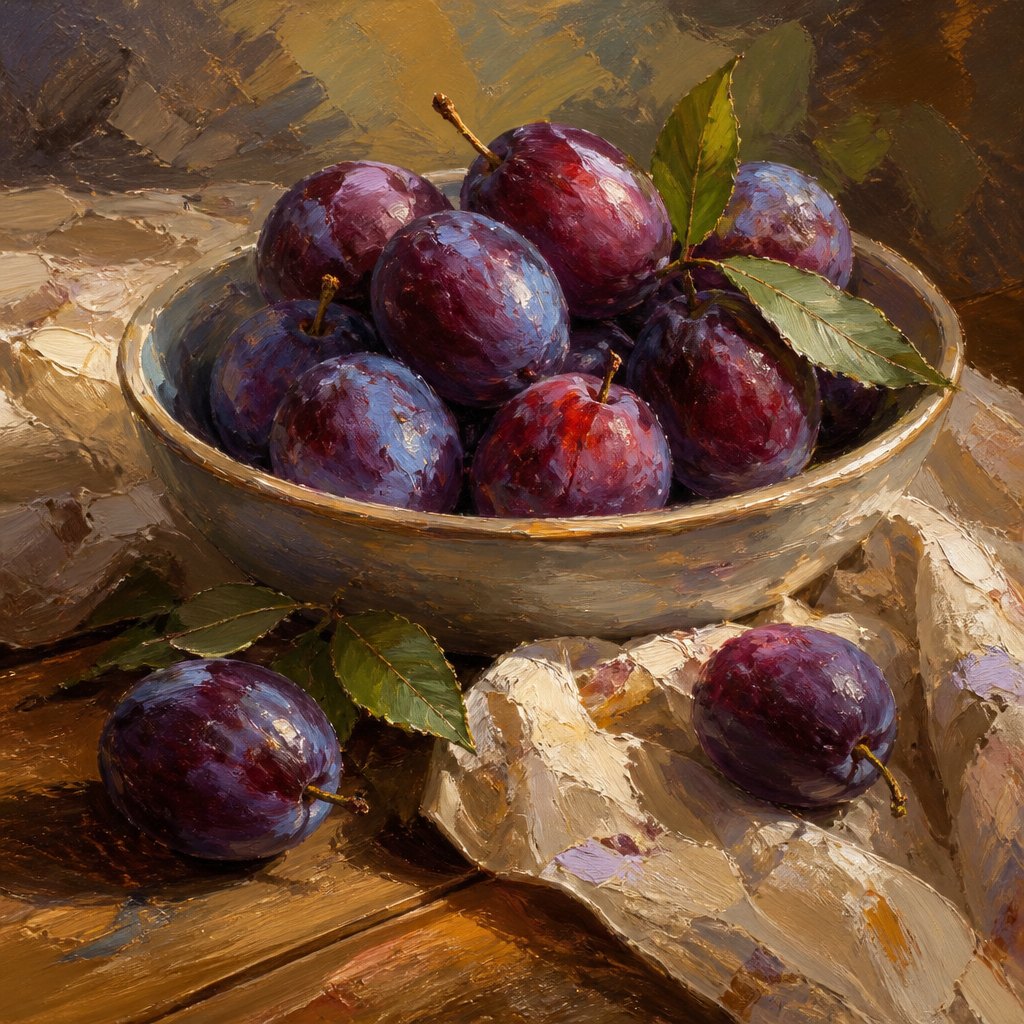 AI-generated
Try it with AI
Get the Alla Prima look in a generator
To get an alla prima look from an AI generator, ask for 'wet-into-wet oil painting,' 'direct painting,' or 'visible loaded brushstrokes' with 'soft blended edges' where colors meet. Words like 'confident brushwork,' 'unblended color mixed on canvas,' 'painted in one sitting,' and 'thick, buttery paint' push toward the fresh, spontaneous surface the technique produces. Avoid 'smooth' or 'polished,' which pull toward layered, glazed finishes instead of the loose, immediate texture alla prima is known for.
Frequently asked questions
What does alla prima mean?
Alla prima is Italian for 'at first attempt.' It describes painting a picture in one sitting while the paint stays wet, rather than building it up in dried layers over multiple sessions.
Is alla prima only for oil painting?
It's most associated with oils because they stay wet long enough to blend, but the same wet-into-wet approach works with acrylics using slow-drying mediums, gouache, and watercolor.
How long does an alla prima painting take?
Anywhere from under an hour for a small study to several hours for a larger canvas — the defining limit is finishing before the paint starts to dry and resist blending.
Can beginners try alla prima?
Yes, and it's a good way to learn — working fast forces quick decisions about value and color rather than overthinking details, though confident color mixing takes practice to master.