 Art
Art
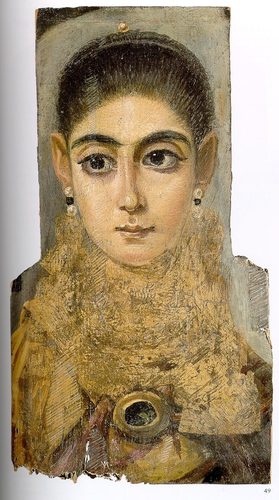
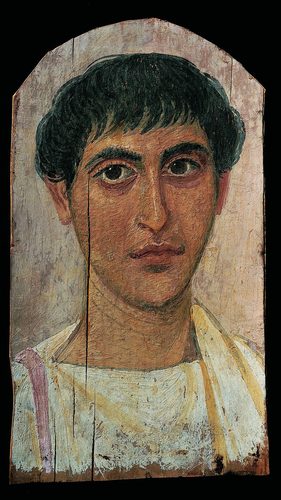
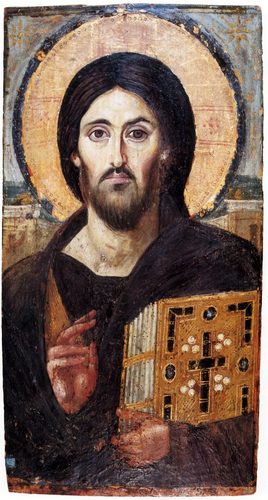
Encaustic is a painting technique in which pigment is mixed into heated beeswax, often with a small amount of added resin for hardness, and applied to a rigid surface while molten. Each layer is fused to the one before it with heat, usually from a torch or heat gun, which melts the new layer just enough to bond it to the layer underneath without destroying the marks already there.
Because the medium is wax rather than oil or water, it dries the instant it cools rather than through evaporation or chemical curing, which means encaustic paintings are essentially finished — and can be reworked — the moment the wax sets. Painters use encaustic for its dense, tactile surface: colors can be layered translucently, carved into once hardened, or built up in thick, textured ridges, giving the finished surface a physical depth that flat paint media can't match.
How to spot it
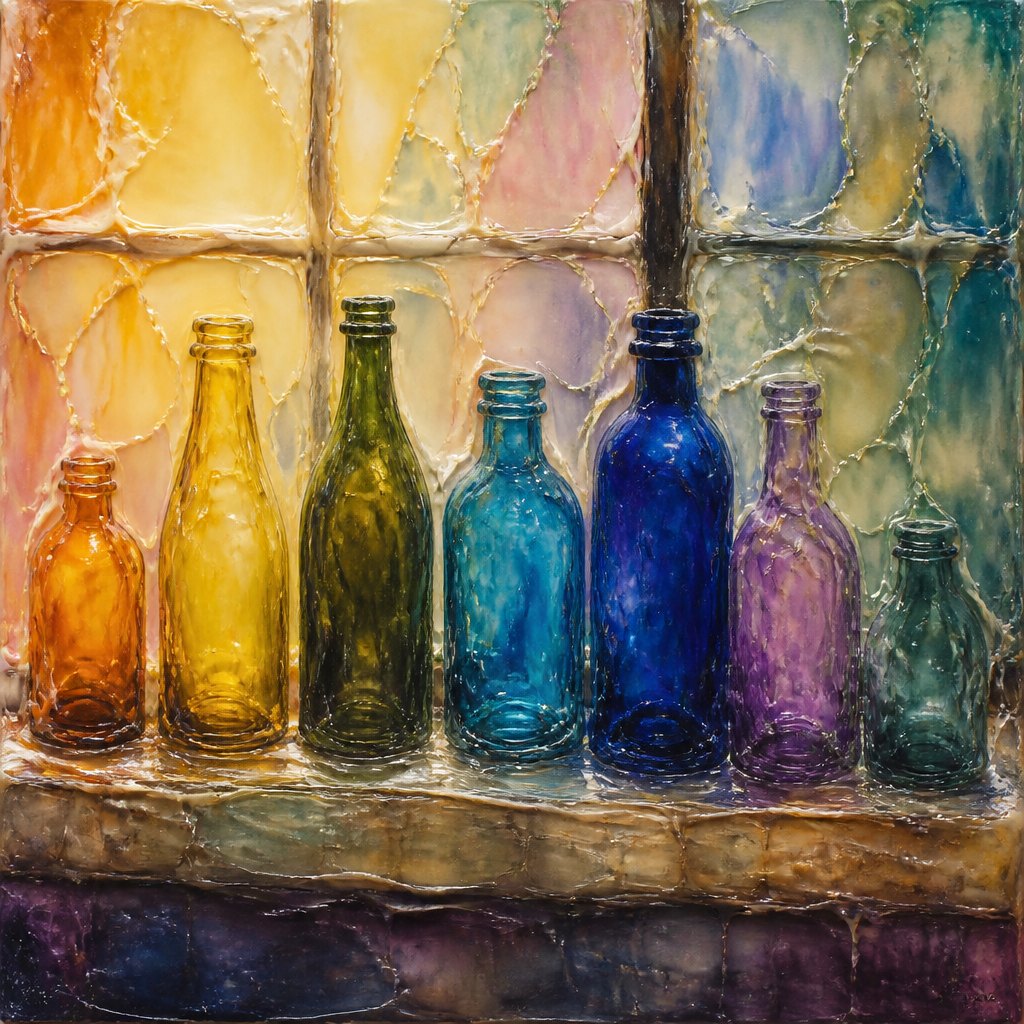
- 01A dense, waxy sheen with visible texture and slight translucency in the surface.
- 02Thick, sculptural ridges or carved marks pressed into the hardened wax.
- 03Layers of color that seem to glow from beneath a translucent top layer.
- 04A rigid wood panel support, since wax needs a stable, non-flexing surface.
- 05Occasional fused, slightly rippled marks where heat blended one layer into the next.
The Encaustic workshop card
A session per layer, patience for fusingMaterials
- beeswax medium, with a small amount of damar resin
- dry pigments or pigmented wax blocks
- a heated palette or griddle to keep wax molten
- natural bristle brushes reserved for hot wax
- a heat gun or torch for fusing layers
- a rigid wood or panel support
Steps
- 1
Prepare a rigid support
Work on a stable, absorbent wood panel rather than canvas — wax is brittle once fully cooled and will crack easily on a surface that flexes.
- 2
Keep the wax medium molten
Work from a heated palette or griddle that holds the wax at a steady working temperature, since it hardens within seconds once it leaves the heat.
- 3
Apply in thin layers
Brush on wax in thin, even coats rather than one thick pour, building density gradually so each new layer fuses cleanly to the one below it.
- 4
Fuse each layer with heat
Pass a heat gun or torch lightly and evenly over each new layer, just enough to melt it into the layer underneath without disturbing the marks you've made.
- 5
Work quickly once wax is applied
Move fast — encaustic sets within seconds of leaving the heat source, so decisions about placement and texture happen almost instantly rather than being adjusted afterward.
- 6
Carve or scrape for texture
Once a layer has cooled, scratch, carve, or scrape into it to reveal color underneath or add linear texture, then fuse a new layer over the marks if desired.
- 7
Ventilate the workspace
Melting wax and using a torch or heat gun releases fumes, so work in a well-ventilated space and avoid overheating the wax past its recommended working temperature.
Classic mistakes
Working on a flexible support
Wax cracks on canvas or paper that flexes with humidity and temperature. Use a rigid wood panel to keep the surface stable.
Underfusing layers
Skipping or rushing the fusing step leaves layers poorly bonded, and they can flake or separate later. Pass heat evenly over every new layer.
Overheating the wax
Wax that gets too hot can scorch, discolor, or release excess fumes. Keep the medium at a controlled working temperature rather than blasting it with high heat.
Working too slowly
Because encaustic hardens almost instantly once off the heat, hesitating mid-stroke leaves lumpy, uneven marks. Plan the gesture before applying the wax.
Where it comes from
Encaustic painting dates to antiquity, most famously surviving in Greco-Roman-era Fayum mummy portraits from Egypt, remarkably preserved thanks to the durability of wax as a binder. The technique required melting equipment and constant heat, which made it more difficult to sustain than water- or oil-based paints, and it fell out of common use for centuries after antiquity. Interest in encaustic revived in the 20th century as electric heating tools made the process far more practical, and painters were drawn to its dense, tactile surface and the way layers could be fused, carved, or built up sculpturally. It remains a niche but active technique today, valued for textures unavailable to flatter painting media.
See it done perfectly
| Work | Maker | Date | What to look at |
|---|---|---|---|
| Fayum mummy portraits | Unknown | 1st–3rd century AD | Remarkably preserved encaustic portraits from Roman Egypt, among the oldest surviving painted likenesses. |
| Early icons at Saint Catherine's Monastery | Unknown | 6th–7th century AD | Byzantine panel icons painted in encaustic, among the oldest surviving icons anywhere. |
| Flag and Target paintings | Jasper Johns | 1950s | Built up in thick, richly textured encaustic layers over collaged newspaper, a landmark in the medium's revival. |
 AI-generated
Try it with AI
Get the Encaustic look in a generator
To evoke encaustic in an AI generator, describe 'encaustic wax painting,' 'melted pigmented beeswax,' or 'thick fused wax layers.' Add 'translucent waxy sheen,' 'carved wax texture,' or 'sculptural ridges of color' to capture its dense, tactile surface. Mentioning 'rippled, heat-fused marks' or 'glowing layered translucency' pushes toward encaustic's distinctive depth, setting it apart from flat oil or acrylic paint, which has no comparable dimensional buildup or tactile surface texture to speak of.
Frequently asked questions
What is encaustic painting?
Encaustic is a technique that mixes pigment into heated beeswax, often with added resin, applied while molten and fused between layers with heat. It hardens the instant it cools.
Do I need special equipment for encaustic?
Yes — at minimum a heated palette or griddle to keep the wax molten and a heat gun or torch for fusing layers, since ordinary room-temperature brushes and surfaces won't work.
Is encaustic safe to do at home?
It can be, with good ventilation and care not to overheat the wax past its working temperature, since melting wax and heat tools both require sensible precautions around fumes and burns.
Why do encaustic paintings need a rigid panel?
Hardened wax is brittle and will crack if the support flexes, so encaustic is almost always worked on a stable wood panel rather than canvas or paper.