 Art
Art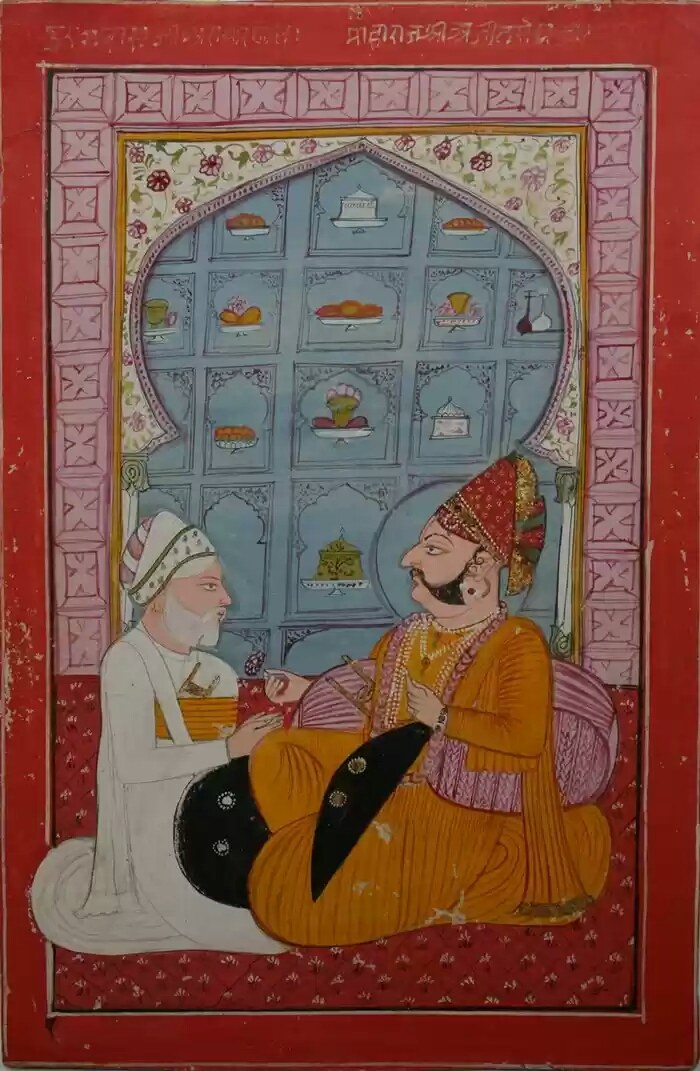
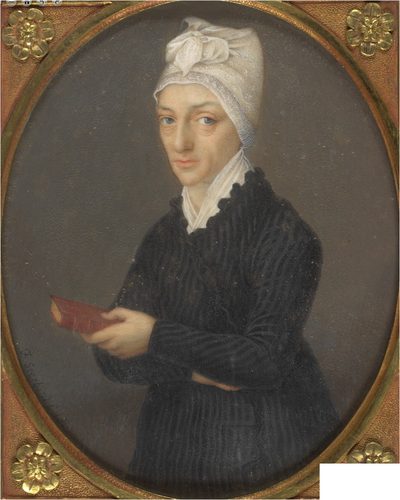
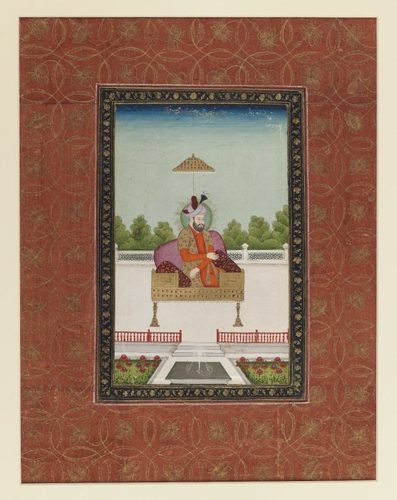
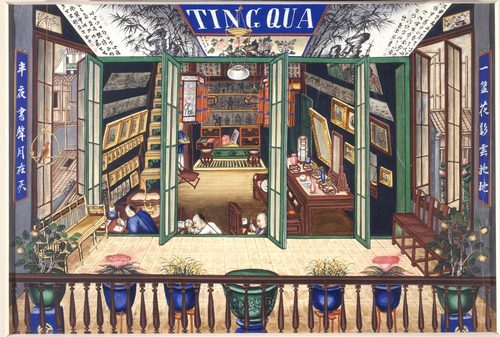
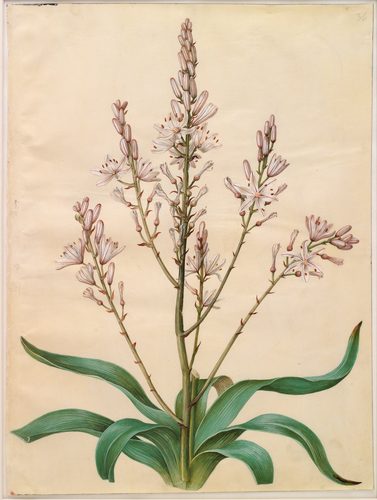
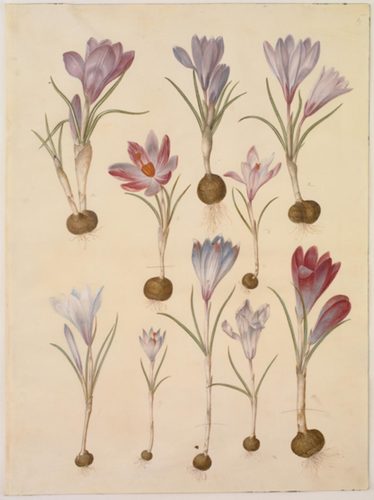
Gouache is a water-based paint made like watercolor, with pigment bound in gum arabic, but loaded with chalk or other opacifying fillers so it dries flat, matte, and fully covers what came before it. Where watercolor depends on white paper glowing through thin washes, gouache lets an artist paint a light color directly over a dark one, correct mistakes, or build a picture in solid, poster-like passages. It rewets with plain water even after drying, so an edge can be softened or a shape lifted and repainted days later, which makes it forgiving for illustrators who need to keep adjusting. Designers and animators favor it because the chalky matte finish reproduces cleanly under a camera or scanner with no glare. Painters like its speed: color goes down in one confident layer, dries in minutes, and reads true to the finished result, without the value shifts oil paint undergoes as it slowly cures.
How to spot it
- 01Flat, chalky, matte color with no shine or glaze
- 02Light passages painted crisply over darker ones beneath them
- 03Poster-like solidity instead of watercolor's translucent washes
- 04Slightly powdery surface texture up close
- 05Crisp, hard edges from opaque color meeting opaque color
The Gouache workshop card
an afternoon to learn, a lifetime to refineMaterials
- Gouache paint (tube or pan)
- Hog-bristle or synthetic flats and rounds
- Cold-pressed watercolor paper or illustration board
- Mixing palette with wells
- Water containers
- Masking tape for edges
- Soft rag or paper towel
Steps
- 1
Stretch or tape the paper
Tape watercolor paper or illustration board to a board along all four edges so it stays flat as it wets and dries, preventing the buckling that ruins flat passages of color.
- 2
Block in flat shapes
Mix generous puddles of color and lay down the largest shapes first, keeping edges clean and confident. Gouache covers in one pass, so aim for full opacity rather than thin, patchy coats.
- 3
Let each layer dry fully
Gouache dries in minutes, but rushing overlaps into wet color muddies the layer beneath. Wait until a passage looks matte and dull before painting over it.
- 4
Paint light over dark
Once a base layer is dry, add highlights, details, and corrections directly on top, since opaque gouache covers rather than mixes with what is underneath.
- 5
Adjust with a damp brush
Reactivate dried color with a barely damp brush to soften an edge, lift a mistake, or blend a transition, taking advantage of gouache's rewettable nature.
- 6
Seal or varnish if needed
Finished gouache stays water-soluble forever and never fully cures, so protect it under glass for framing, or apply a workable fixative before handling if it must travel outside a frame.
Classic mistakes
Painting too thin
Diluting gouache like watercolor leaves streaky, semi-transparent color that defeats the point of the medium. Mix paint with only enough water to move it, not to thin it.
Working into wet layers
Adding a second color before the first dries drags pigment and creates muddy, lifted patches instead of the clean flat fields gouache is known for.
Ignoring color shift on drying
Gouache shifts in value as it dries—darks lighten, lights darken—which surprises beginners. Test a swatch and let it dry before committing to a final mix.
Overworking a passage
Repeated rewetting breaks down the paint film and picks up dried color underneath, turning crisp edges to mush. Plan color order so each area gets touched only once or twice.
Where it comes from
Opaque, chalk-bodied watercolor has roots in ancient Egyptian tomb painting and medieval manuscript illumination, where scribes needed flat, legible color on vellum. The French term gouache took hold in the eighteenth century, and the medium became a working tool for designers, muralists, and easel painters who wanted watercolor's portability without its transparency. Henri Matisse used it in his late cut-paper works, painting sheets of gouache to cut into shape. Through the twentieth century it became the default medium of commercial illustration, animation background painting, and concept art, prized because its flat, corrected-anywhere color photographed and printed with total reliability under studio and camera lighting alike.
See it done perfectly
| Work | Maker | Date | What to look at |
|---|---|---|---|
| The Snail | Henri Matisse | 1953 | Gouache painted onto paper, then cut into flat shapes and arranged as a collage. |
| Animation background paintings | Unknown | mid-20th century | Studio background artists relied on gouache for its flat, camera-ready color under cel animation. |
| Mughal and Persian miniature paintings | Unknown | 16th–19th century | Court miniatures built up in dense layers of opaque, gouache-like pigment for jewel-toned, flat color. |
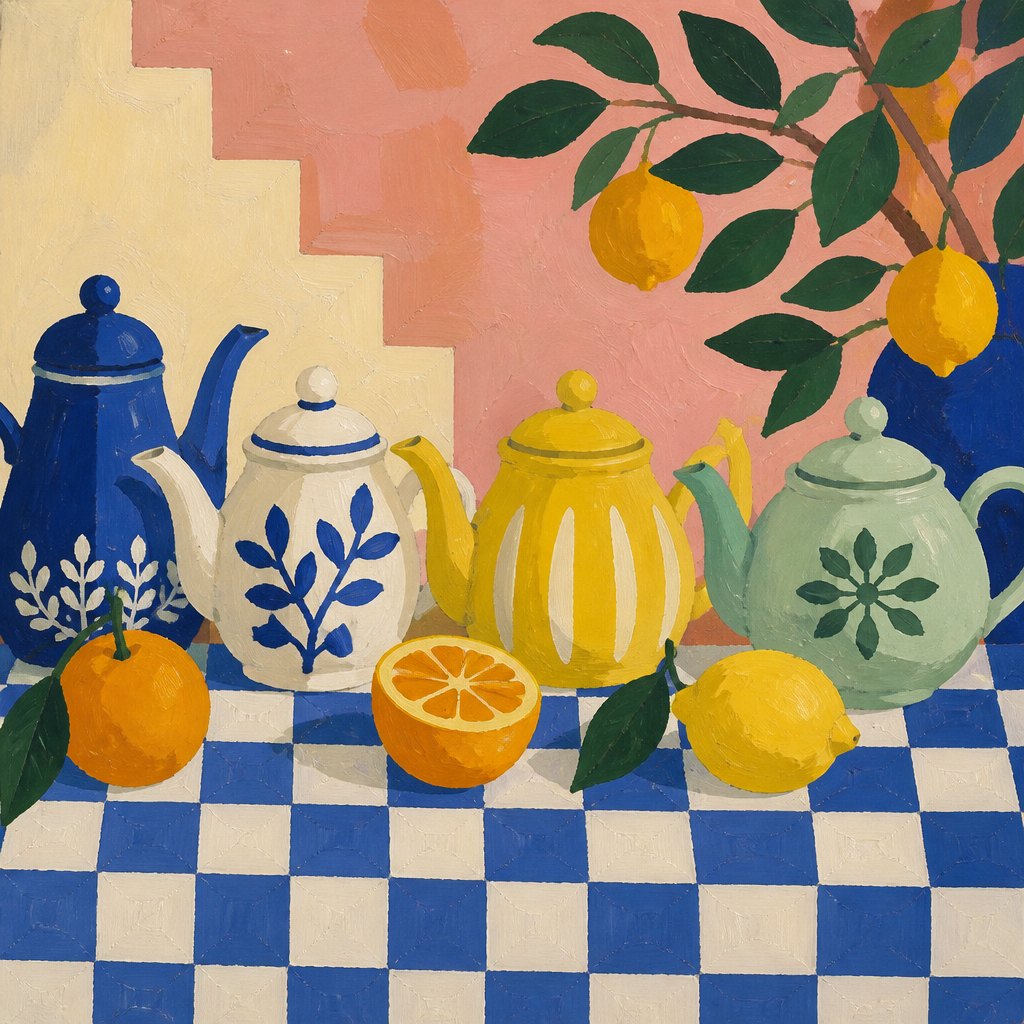 AI-generated
Try it with AI
Get the Gouache look in a generator
To push a generator toward this look, ask for flat, opaque, matte color fields with visible poster-like solidity and no glaze or shine. Useful vocabulary: chalky texture, flat color blocking, crisp hard edges, gouache illustration, unmixed color passages, light over dark layering, subtle brush-stroke texture within flat shapes. Reference gentle, even studio lighting rather than dramatic glossy highlights, since gouache has no varnish sheen. Naming the medium directly ("painted in gouache") is the single most reliable trigger, paired with words like matte, opaque, and flat-color illustration.
Frequently asked questions
What is gouache?
Gouache is an opaque, water-based paint made from pigment, gum arabic binder, and chalk or another whitening filler, which gives it flat, matte, fully covering color instead of watercolor's transparency.
Is gouache the same as watercolor?
They share a binder and both dissolve in water, but gouache contains added opacifying filler, so it covers completely and dries matte, while watercolor stays transparent and glassy.
Can gouache be mixed with acrylics?
They can share a palette session since both are water-based, but acrylic dries permanent and gouache stays rewettable, so mixing them on the same passage causes uneven, unpredictable results.
Does gouache crack or fade over time?
Quality gouache is stable and lightfast if kept out of direct sun, but because it never fully cures the way acrylic does, it can crack if applied too thickly or flexed.