ArtTechniques

Techniques / Painting

Tempera

Fast-drying pigment bound with egg for luminous, precise color

Difficulty
Time
Many short sessions over weeks
Also called
egg tempera
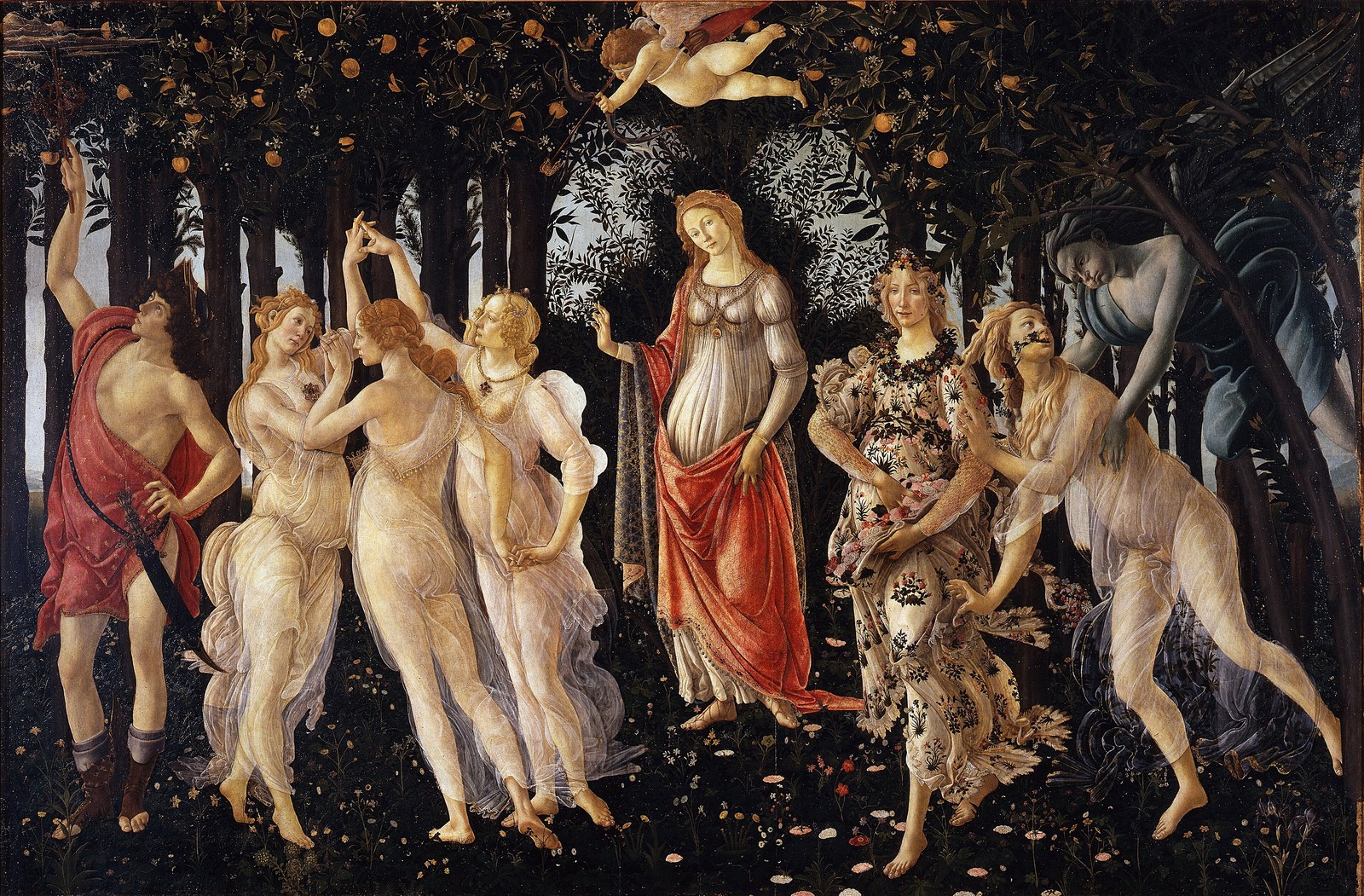
Primavera — Tempera
Primavera, between 1480 and 1485date QS:P,+1480-00-00T00:00:00Z/8,P1319,+1480-00-00T00:00:0 · Sandro Botticelli · Wikimedia Commons (Public domain)
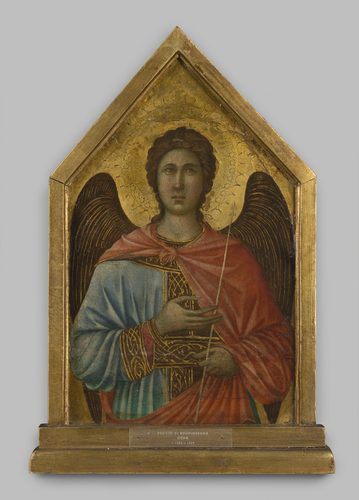
Dutch:  Paneelschildering "Engel" tempera op hout door Duccio di Buoninsegna, circa 1308-1311, Siena Angeltitle QS:P1476,nl:"Paneelschildering "Engel" tempera op hout door Duccio di Buoninsegna, circa 1308-1311, Siena "label QS:Lnl,"Paneelschildering "Engel" tempera op hout door Duccio di Buoninsegna, circa 1308-1311, Siena "label QS:Lit,"Angelo"label QS:Len,"Angel"label QS:Lde,"Engel" — Tempera
Dutch: Paneelschildering "Engel" tempera op hout door Duccio di Buoninsegna, circa 1308-1311, Siena Angeltitle QS:P1476,nl:"Paneelschildering "Engel" tempera op hout door Duccio di Buoninsegna, circa 1308-1311, Siena "label QS:Lnl,"Paneelschildering "Engel" tempera op hout door Duccio di Buoninsegna, circa 1308-1311, Siena "label QS:Lit,"Angelo"label QS:Len,"Angel"label QS:Lde,"Engel", between 1308 and 1311date QS:P,+1350-00-00T00:00:00Z/7,P1319,+1308-00-00T00:00:0 · Duccio di Buoninsegna · Wikimedia Commons (Public domain)
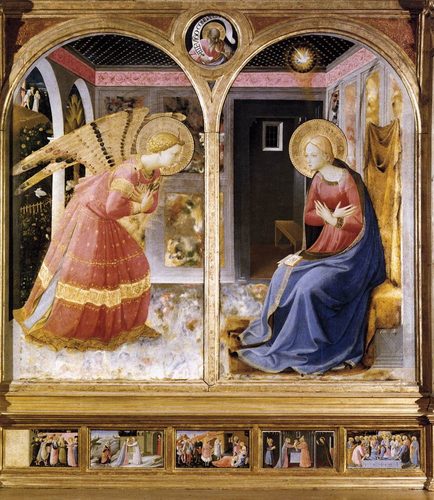
Annunciation angelico valdarno — Tempera
Annunciation angelico valdarno · Unknown · Wikimedia Commons (Public domain)
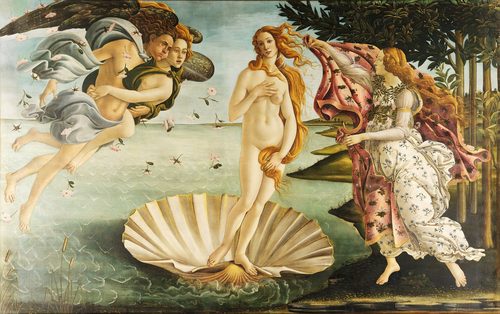
Polish:  Narodziny Wenus The Birth of Venustitle QS:P1476,pl:"Narodziny Wenus "label QS:Lpl,"Narodziny Wenus "label QS:Les,"El nacimiento de Venus"label QS:Lms,"Kelahiran Venus"label QS:Lbg,"Раждането на Венера"label QS:Lksh,"D Jeburt van d Venus"label QS:Lzh-hk,"維納斯的誕生"label QS:Lsk,"Zrodenie Venuše"label QS:Luk,"Народження Венери"label QS:Lzh-hant,"維納斯的誕生"label QS:Lzh-cn,"维纳斯的诞生"label QS:Lko,"비너스의 탄생"label QS:Lkk,"Венераның дүниеге келуі"label QS:Leo,"Naskiĝo de Venuso"label QS:Lcs,"Zrození Venuše"label QS:Lbs,"Rođenje Venere."label QS:Lfr,"La Naissance de Vénus"label QS:Lhr,"Rođenje Venere"label QS:Lvi,"Sự ra đời của thần Vệ Nữ"label QS:Llv,"Veneras dzimšana"label QS:Lsr,"Рођење Венере"label QS:Lzh-sg,"维纳斯的诞生"label QS:Lnb,"Venus' fødsel"label QS:Laz,"Veneranın doğulması"label QS:Len,"The Birth of Venus"label QS:Lar,"مولد فينوس"label QS:Lbr,"Ganedigezh Gwener"label QS:Lyue,"維納斯出世"label QS:Leu,"Venusen jaiotza"label QS:Lru,"Рождение Венеры"label QS:Lde,"Die Geburt der Venus"label QS:Lga,"Breith Véineas"label QS:Lsr-ec,"Рођење Венере"label QS:Lzh,"维纳斯的诞生"label QS:Lda,"Venus' fødsel"label QS:Lka,"ვენერას დაბადება"label QS:Lja,"ヴィーナスの誕生"label QS:Lnrm,"La Naîté de Vénus (Botticelli)"label QS:Larz,"مولد فينوس"label QS:Lhe,"הולדת ונוס"label QS:Lla,"Ortus Veneris"label QS:Lfi,"Venuksen syntymä"label QS:Lit,"Nascita di Venere"label QS:Let,"Venuse sünd"label QS:Lfa,"زایش ونوس"label QS:Lvec,"Nàsita de Venare"label QS:Lpap,"Nacimento di Venus di Botticelli"label QS:Lpt,"O Nascimento de Vênus"label QS:Lmt,"It-Twelid ta’ Venere"label QS:Lhy,"Վեներայի ծնունդը"label QS:Lbe,"Нараджэнне Венеры"label QS:Llt,"Veneros gimimas"label QS:Lsl,"Rojstvo Venere"label QS:Lmk,"Раѓањето на Венера"label QS:Lcy,"Genedigaeth Gwener"label QS:Lzh-tw,"維納斯的誕生"label QS:Lth,"กำเนิดวีนัส"label QS:Lsh,"Rođenje Venere"label QS:Lsi,"botticelli"label QS:Lnl,"De Geboorte van Venus"label QS:Lca,"El naixement de Venus"label QS:Ltr,"Venüs'ün Doğuşu"label QS:Lsv,"Venus födelse"label QS:Lcv,"Венера çурални"label QS:Lgl,"O nacemento de Venus"label QS:Lzh-hans,"维纳斯的诞生"label QS:Lel,"Η Γέννηση της Αφροδίτης"label QS:Lro,"Nașterea zeiței Venus" — Tempera
Polish: Narodziny Wenus The Birth of Venustitle QS:P1476,pl:"Narodziny Wenus "label QS:Lpl,"Narodziny Wenus "label QS:Les,"El nacimiento de Venus"label QS:Lms,"Kelahiran Venus"label QS:Lbg,"Раждането на Венера"label QS:Lksh,"D Jeburt van d Venus"label QS:Lzh-hk,"維納斯的誕生"label QS:Lsk,"Zrodenie Venuše"label QS:Luk,"Народження Венери"label QS:Lzh-hant,"維納斯的誕生"label QS:Lzh-cn,"维纳斯的诞生"label QS:Lko,"비너스의 탄생"label QS:Lkk,"Венераның дүниеге келуі"label QS:Leo,"Naskiĝo de Venuso"label QS:Lcs,"Zrození Venuše"label QS:Lbs,"Rođenje Venere."label QS:Lfr,"La Naissance de Vénus"label QS:Lhr,"Rođenje Venere"label QS:Lvi,"Sự ra đời của thần Vệ Nữ"label QS:Llv,"Veneras dzimšana"label QS:Lsr,"Рођење Венере"label QS:Lzh-sg,"维纳斯的诞生"label QS:Lnb,"Venus' fødsel"label QS:Laz,"Veneranın doğulması"label QS:Len,"The Birth of Venus"label QS:Lar,"مولد فينوس"label QS:Lbr,"Ganedigezh Gwener"label QS:Lyue,"維納斯出世"label QS:Leu,"Venusen jaiotza"label QS:Lru,"Рождение Венеры"label QS:Lde,"Die Geburt der Venus"label QS:Lga,"Breith Véineas"label QS:Lsr-ec,"Рођење Венере"label QS:Lzh,"维纳斯的诞生"label QS:Lda,"Venus' fødsel"label QS:Lka,"ვენერას დაბადება"label QS:Lja,"ヴィーナスの誕生"label QS:Lnrm,"La Naîté de Vénus (Botticelli)"label QS:Larz,"مولد فينوس"label QS:Lhe,"הולדת ונוס"label QS:Lla,"Ortus Veneris"label QS:Lfi,"Venuksen syntymä"label QS:Lit,"Nascita di Venere"label QS:Let,"Venuse sünd"label QS:Lfa,"زایش ونوس"label QS:Lvec,"Nàsita de Venare"label QS:Lpap,"Nacimento di Venus di Botticelli"label QS:Lpt,"O Nascimento de Vênus"label QS:Lmt,"It-Twelid ta’ Venere"label QS:Lhy,"Վեներայի ծնունդը"label QS:Lbe,"Нараджэнне Венеры"label QS:Llt,"Veneros gimimas"label QS:Lsl,"Rojstvo Venere"label QS:Lmk,"Раѓањето на Венера"label QS:Lcy,"Genedigaeth Gwener"label QS:Lzh-tw,"維納斯的誕生"label QS:Lth,"กำเนิดวีนัส"label QS:Lsh,"Rođenje Venere"label QS:Lsi,"botticelli"label QS:Lnl,"De Geboorte van Venus"label QS:Lca,"El naixement de Venus"label QS:Ltr,"Venüs'ün Doğuşu"label QS:Lsv,"Venus födelse"label QS:Lcv,"Венера çурални"label QS:Lgl,"O nacemento de Venus"label QS:Lzh-hans,"维纳斯的诞生"label QS:Lel,"Η Γέννηση της Αφροδίτης"label QS:Lro,"Nașterea zeiței Venus", 1485 · Sandro Botticelli · Wikimedia Commons (Public domain)
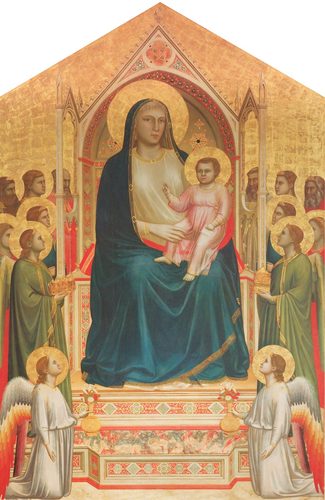
Madonna Enthroned (Ognissanti Madonna) title QS:P1476,en:"Madonna Enthroned (Ognissanti Madonna) "label QS:Len,"Madonna Enthroned (Ognissanti Madonna) "label QS:Lit,"Maestà di Ognissanti"label QS:Lhu,"Ognissanti Madonna"label QS:Lde,"Ognissanti-Madonna"label QS:Lsr-el,"Bogorodica Onjisanti"label QS:Lsr-ec,"Богородица Оњисанти"label QS:Lzh,"聖像 (喬托)"label QS:Lsr,"Богородица Оњисанти"label QS:Lsl,"Ognissanti Madona"label QS:Lja,"オンニサンティの聖母"label QS:Lru,"Мадонна Оньиссанти"label QS:Lpl,"Madonna z Dzieciątkiem"label QS:Luk,"Мадонна Оньїсанті"label QS:Lnl,"Ognissanti Madonna"label QS:Lpt,"Majestade de Todos os Santos"label QS:Lca,"Maestà di Ognissanti"label QS:Les,"Maestà di Ognissanti"label QS:Lfr,"Vierge d'Ognissanti"label QS:Lar,"العذراء المتوجة (لوحة)"label QS:Lta,"முடிசூடிய மரியா" — Tempera
Madonna Enthroned (Ognissanti Madonna) title QS:P1476,en:"Madonna Enthroned (Ognissanti Madonna) "label QS:Len,"Madonna Enthroned (Ognissanti Madonna) "label QS:Lit,"Maestà di Ognissanti"label QS:Lhu,"Ognissanti Madonna"label QS:Lde,"Ognissanti-Madonna"label QS:Lsr-el,"Bogorodica Onjisanti"label QS:Lsr-ec,"Богородица Оњисанти"label QS:Lzh,"聖像 (喬托)"label QS:Lsr,"Богородица Оњисанти"label QS:Lsl,"Ognissanti Madona"label QS:Lja,"オンニサンティの聖母"label QS:Lru,"Мадонна Оньиссанти"label QS:Lpl,"Madonna z Dzieciątkiem"label QS:Luk,"Мадонна Оньїсанті"label QS:Lnl,"Ognissanti Madonna"label QS:Lpt,"Majestade de Todos os Santos"label QS:Lca,"Maestà di Ognissanti"label QS:Les,"Maestà di Ognissanti"label QS:Lfr,"Vierge d'Ognissanti"label QS:Lar,"العذراء المتوجة (لوحة)"label QS:Lta,"முடிசூடிய மரியா", between circa 1300 and circa 1305date QS:P,+1300-00-00T00:00:00Z/8,P1319,+1300-0 · Giotto · Wikimedia Commons (Public domain)

Tempera is a paint made by binding powdered pigment with egg, most often just the yolk, thinned with water into a fast-drying, quick-handling medium. Unlike oil paint, which stays workable for hours or days and blends smoothly on the surface, tempera sets within minutes, which makes broad blending nearly impossible — painters instead build form and color through many thin layers of fine, closely spaced hatched or cross-hatched strokes.

The egg binder dries to a tough, matte film that resists yellowing and has proven remarkably stable over centuries, which is part of why so many tempera panels survive from the medieval and early Renaissance periods in vivid condition. Painters reach for tempera when they want crisp, luminous, precisely controlled color and linear detail, rather than the soft blending and rich, buttery texture that oil painting offers.

How to spot it

  • 01Fine, closely spaced hatched or cross-hatched brushstrokes building up form.
  • 02Crisp, precise edges and detail rather than soft blended transitions.
  • 03A matte, slightly chalky surface with luminous, jewel-like color.
  • 04Colors that stay remarkably bright and unyellowed even on very old panels.
  • 05Egg tempera works often on wood panel, sometimes with gold leaf backgrounds.

The Tempera workshop card

Many short sessions over weeks

Materials

  • fresh egg yolk as the binder
  • dry powdered pigments
  • distilled water for thinning
  • a gessoed wood panel as support
  • fine round sable brushes for hatching
  • a palette knife for grinding pigment into the yolk

Steps

  1. 1

    Prepare a gessoed panel

    Work on a smooth, absorbent gesso ground over a rigid wood panel — tempera needs a stable, non-flexible support since it can crack on canvas over time.

  2. 2

    Mix pigment and egg yolk fresh

    Grind dry pigment with a small amount of water into a paste, then blend in egg yolk in roughly equal measure, mixing only as much as you'll use that session. Wear a dust mask and avoid raising powder — many dry pigments are toxic to inhale.

  3. 3

    Thin to a workable consistency

    Add water gradually until the paint flows smoothly off the brush without pooling — too thick and it won't lay down evenly, too thin and the color goes weak.

  4. 4

    Build form with hatched strokes

    Apply color in fine, closely spaced parallel or cross-hatched strokes rather than broad washes, since tempera dries far too fast to blend smoothly on the surface.

  5. 5

    Build value in thin layers

    Build up value gradually through many thin, semi-transparent layers rather than trying to achieve full color and finished value in a single, hurried, unplanned pass.

  6. 6

    Dry each layer fully

    Tempera sets within minutes, so work in small sections and let each hatched layer dry fully before crossing it with another, keeping the strokes crisp instead of muddy.

  7. 7

    Mix fresh pigment each session

    Mixed tempera doesn't keep well; prepare only what you need for that session's work, since old, dried-out mixture won't flow smoothly or bond properly anymore.

Classic mistakes

Trying to blend like oil paint

Tempera dries too fast for soft blending on the surface — attempting it just drags and smears half-dry paint. Build form with hatching instead.

Mixing too much at once

Egg tempera doesn't store well once mixed; a large batch dries out or spoils before it's used. Mix small amounts and remix as needed.

Painting on a flexible support

Canvas flexes over time and can crack a brittle tempera paint film. Rigid, gessoed wood panel is the traditional and more stable choice.

Layers too thick

Applying tempera too thickly causes it to crack or flake as it dries. Keep every layer thin and semi-transparent, building depth gradually.

Where it comes from

Egg tempera was the dominant panel-painting medium in Europe through the medieval period and into the early Renaissance, prized for its precision, durability, and luminous color, especially on gessoed wood panels often paired with gold leaf backgrounds. Painters built up flesh tones, drapery, and detail through countless thin, hatched layers, a slow and exacting process well suited to devotional images meant to be studied closely. Tempera began losing ground to oil paint during the 15th century, as oil's slower drying time and blending capacity offered painters more flexibility for soft transitions and atmospheric effects. It never disappeared entirely, and saw a notable revival among 20th-century American realist painters drawn to its precision and matte finish.

See it done perfectly

WorkMakerDateWhat to look at
Birth of VenusSandro Botticellic. 1485Painted in egg tempera on canvas, with the precise linear hatching and luminous color typical of the medium.
Maestà altarpieceDuccio di Buoninsegna1308–1311A large egg tempera altarpiece on wood panel, showing the medium's precision across many small narrative scenes.
Christina's WorldAndrew Wyeth1948A 20th-century revival of egg tempera, prized for its crisp detail and matte, dry surface.
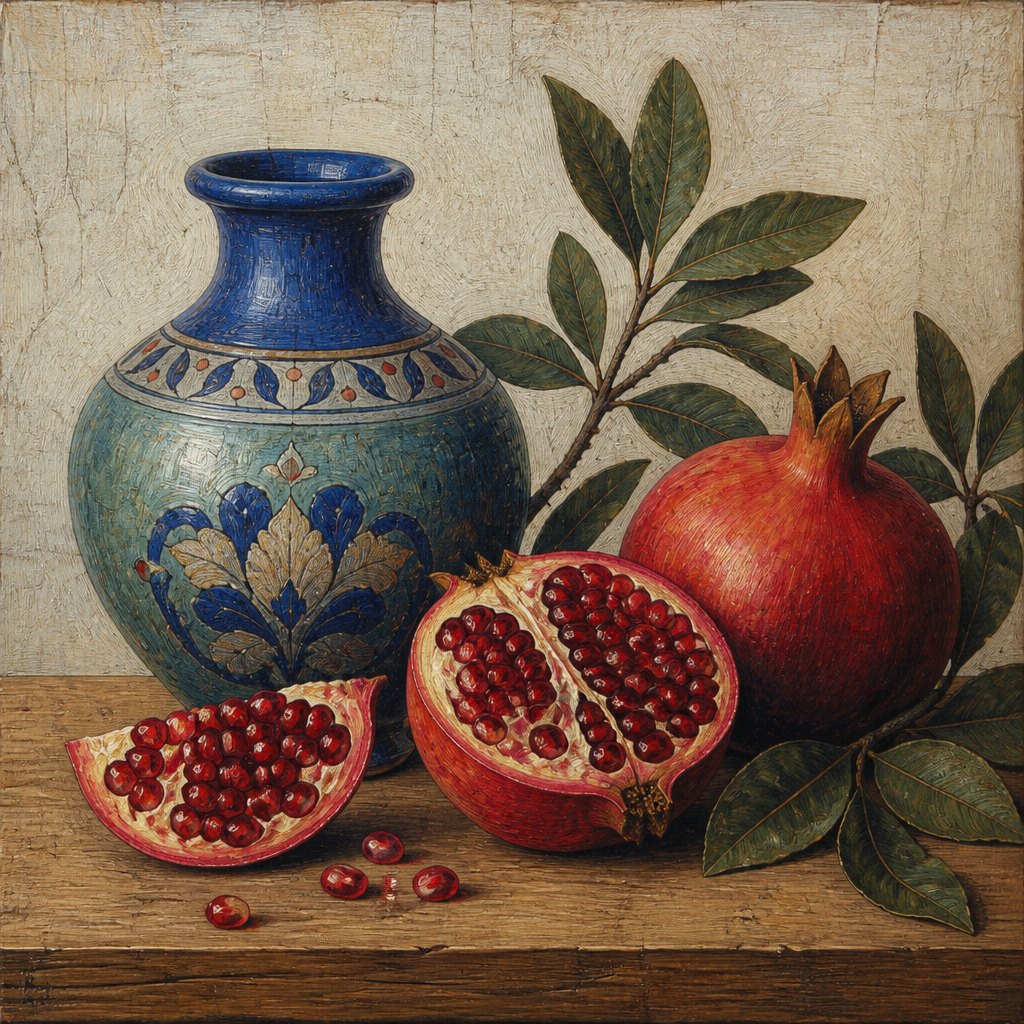
AI-generated demonstration of TemperaAI-generated

Try it with AI

Get the Tempera look in a generator

To evoke tempera in an AI generator, describe 'egg tempera painting,' 'fine hatched brushstrokes,' or 'crisp linear detail on wood panel.' Add 'luminous matte color,' 'jewel-toned pigment,' or 'precise cross-hatching' to signal the medium's characteristic buildup. Mentioning 'gold leaf background' or 'gessoed panel surface' reinforces the historical panel-painting look. Avoid 'soft blending' or 'buttery brushwork,' which pull toward oil painting instead of tempera's crisp, dry precision and fine linear detail.

Open the Renaissance Art Style generator →

Frequently asked questions

What is tempera paint made of?

Traditional egg tempera binds powdered pigment with egg yolk, thinned with water. It's different from modern 'poster tempera' or gouache, which use other binders entirely despite sharing the name.

Why does tempera dry so fast?

The egg binder sets quickly once exposed to air, within minutes rather than the hours or days oil paint stays workable, which is why tempera is built with fine hatched strokes instead of blended.

Can I blend colors in tempera?

Not on the surface the way you would in oil. Colors are built up optically through layers of fine hatching, letting the eye blend adjacent strokes rather than physically mixing wet paint.

Does tempera last as long as oil painting?

Very well, in fact — many egg tempera panels from centuries ago survive with remarkably bright, unyellowed color, since the egg binder forms a tough, stable film over time.