 Art
Art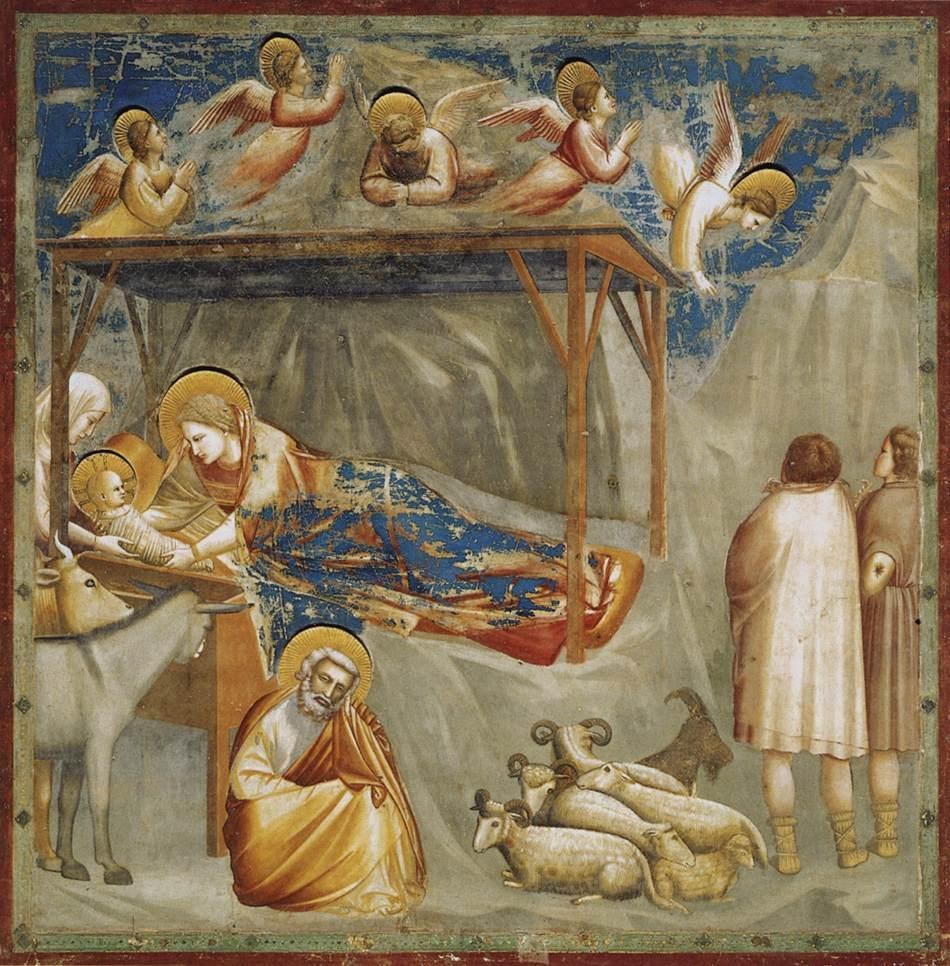
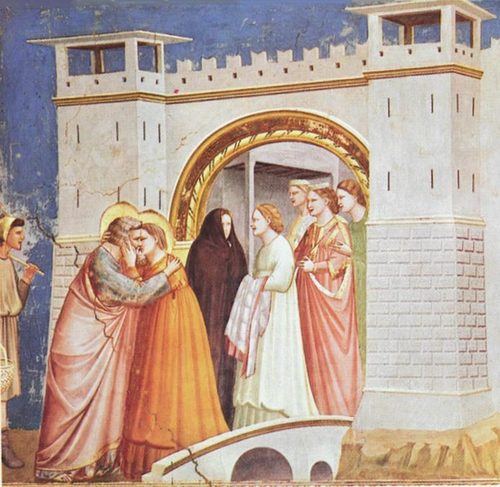
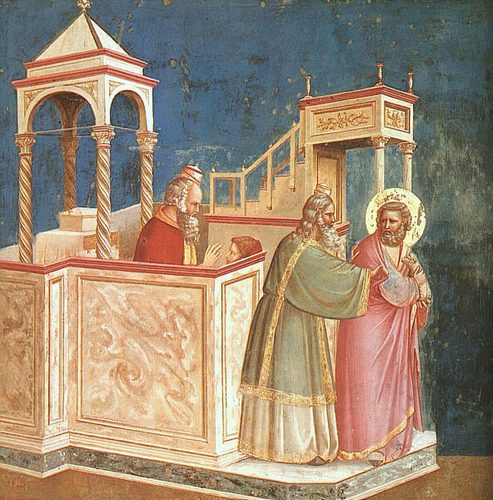
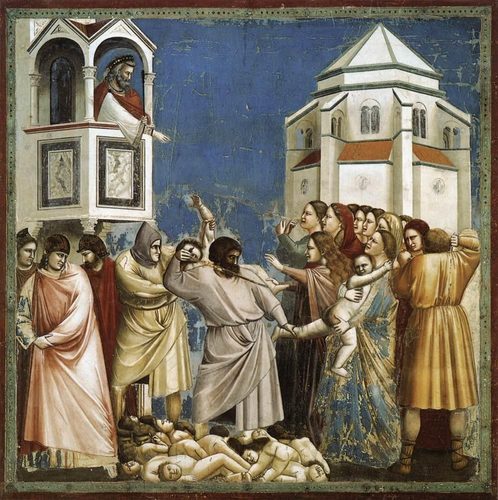
Fresco is a wall-painting technique in which pigment mixed only with water is applied directly onto a layer of wet lime plaster. As the plaster dries and cures, it chemically bonds the pigment into the wall itself, so the color becomes part of the surface rather than a film sitting on top of it. This is true or 'buon' fresco, distinguished from fresco secco, where paint is applied to plaster that has already dried and simply sits on the surface, more like ordinary wall painting.
Because the plaster only stays workable for a matter of hours, fresco demands the wall be divided into sections, called giornate or 'day's work,' each planned and painted before that patch of plaster sets. The result is remarkably durable — true frescoes have survived for centuries — but the process leaves zero room for correction once the plaster begins to dry.
How to spot it
- 01Matte, chalky color that seems to be part of the wall itself, not painted on.
- 02Faint seam lines visible where separate sections of plaster meet.
- 03Large-scale wall or ceiling compositions rather than framed, portable pictures.
- 04Colors slightly muted or limited compared to oil painting's saturated range.
- 05Surviving examples often on plaster walls in chapels, palaces, or ancient ruins.
The Fresco workshop card
Days of prep, hours per section, no redosMaterials
- slaked lime putty for the plaster base
- fine sand or marble dust as plaster aggregate
- natural earth and mineral pigments compatible with lime
- a trowel for applying and smoothing plaster
- cartoons, or full-size drawings, for transferring the design
- a stiff brush for pigment application
Steps
- 1
Prepare the wall in layers
Build up the plaster in rough and finer coats over days or weeks before painting begins, letting each layer cure so the final surface is stable and even.
- 2
Plan the giornate
Divide the full composition into sections that can realistically be painted in one working day, since each patch of fresh plaster only stays workable for a matter of hours.
- 3
Transfer the design
Use a full-size drawing, or cartoon, pricked or incised onto the fresh plaster to transfer the outline before pigment goes down, so the day's work follows a fixed plan.
- 4
Plaster only that day's section
Trowel on just enough fresh lime plaster to cover the planned section, matching its edges carefully to the previous day's work so the seam is as invisible as possible.
- 5
Paint fast, pigment and water
Work fast once the plaster is laid — there's no medium or binder in the paint itself; the lime plaster is what fixes the pigment as it cures.
- 6
Move from simple to detailed
Establish broad color areas first, then slowly add modeling and finer surface detail as the plaster's workable window narrows toward the end of the session.
- 7
Protect skin and ventilate
Lime plaster is caustic when wet, so wear gloves and eye protection, and work in a well-ventilated space whenever you are mixing or applying it.
Classic mistakes
Painting past the plaster's window
Once the plaster begins to set, pigment stops bonding properly and sits unstably on the surface instead of fusing into it. Plan sections conservatively.
Poorly matched giornate seams
Careless edges between one day's plaster patch and the next leave visible lines in the finished wall. Match edges to natural contours in the design to hide them.
Using incompatible pigments
Not every pigment survives contact with the alkalinity of wet lime plaster; some fade or discolor. True fresco relies on pigments known to be lime-stable.
Underestimating the planning stage
Fresco leaves no room to fix mistakes once plaster sets, so skipping careful cartoons and section planning leads to unfixable errors in the final wall.
Where it comes from
Fresco painting dates back to antiquity, with surviving examples from ancient Mediterranean cultures, but it reached its most celebrated peak during the Italian Renaissance, when artists covered chapel and palace walls and ceilings with elaborate figural compositions planned out section by section. The technique demanded meticulous planning, since each day's patch of wet plaster had to be fully painted before it dried, leaving no chance to revise. Buon fresco was prized for its durability and luminous, matte color, and became closely tied to large-scale religious and civic commissions where a wall or ceiling needed to carry a permanent, monumental image. The technique declined with the rise of oil painting's flexibility but is still practiced today by muralists and conservators.
See it done perfectly
| Work | Maker | Date | What to look at |
|---|---|---|---|
| Sistine Chapel ceiling | Michelangelo | 1508–1512 | Vast figural composition painted in giornate across the vaulted ceiling, among the most famous frescoes ever made. |
| School of Athens | Raphael | 1509–1511 | A grand architectural fresco in the Vatican's Stanza della Segnatura, praised for its clarity and balanced composition. |
| Scrovegni Chapel narrative cycle | Giotto di Bondone | c. 1305 | Narrative scenes of the life of Christ covering the chapel walls, a landmark in fresco storytelling. |
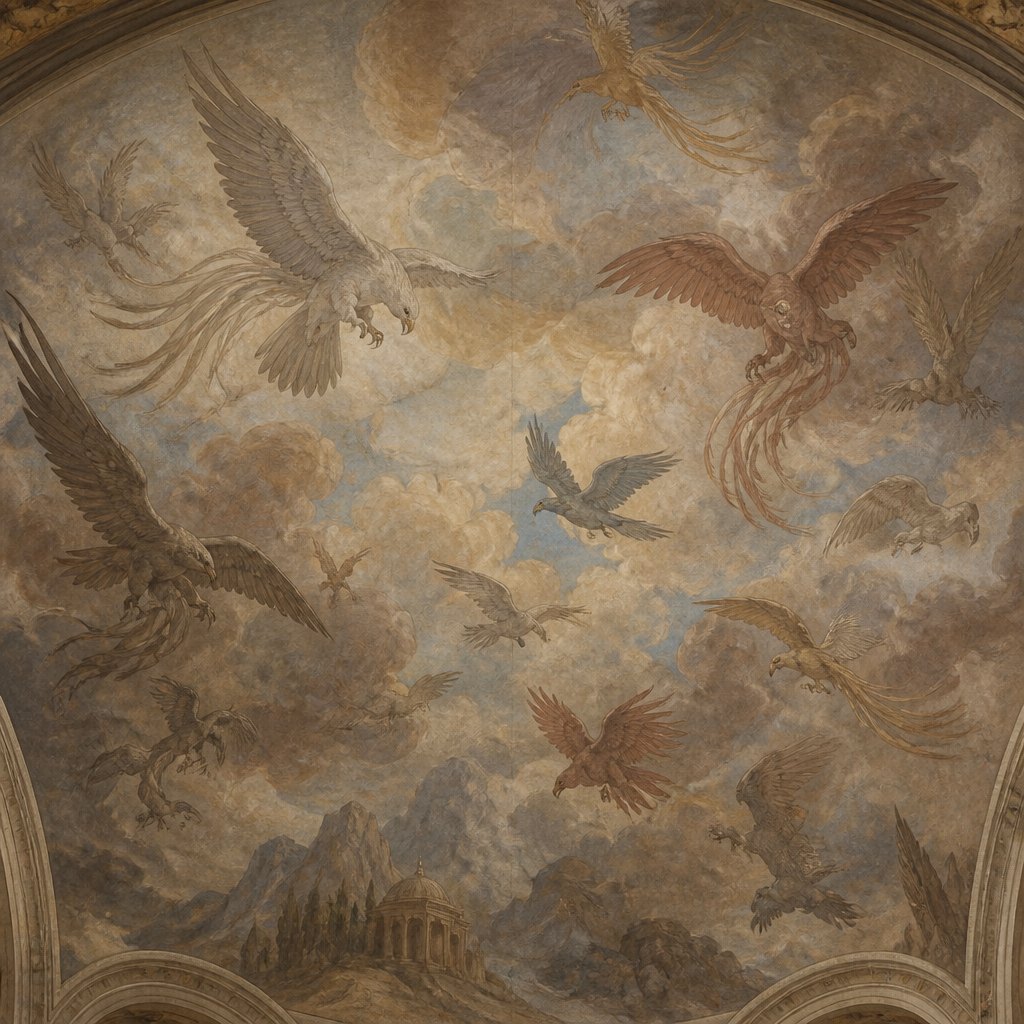 AI-generated
Try it with AI
Get the Fresco look in a generator
To evoke fresco in an AI generator, describe 'fresco wall painting,' 'matte pigment bonded into plaster,' or 'large-scale mural on lime plaster.' Add 'chalky, muted color,' 'faint plaster seams,' or 'weathered wall surface' for authenticity. Specifying an architectural setting — 'painted directly onto a chapel wall' or 'vaulted ceiling mural' — reinforces the monumental, site-specific scale fresco is known for, distinct from the glossier surface of oil or acrylic on canvas.
Frequently asked questions
What is fresco painting?
Fresco is a technique where pigment mixed with water is painted directly into wet lime plaster, so the color chemically bonds into the wall as it dries, becoming part of the surface rather than sitting on it.
What's the difference between fresco and fresco secco?
True fresco (buon fresco) is painted into wet plaster and bonds chemically as it cures. Fresco secco is painted onto plaster that has already dried, so the paint sits on top rather than fusing in.
Can mistakes be fixed in fresco?
Not easily. Once the plaster sets, pigment won't bond properly anymore, so most corrections mean chipping out that section of plaster and repainting it fresh rather than simply painting over it.
Is fresco still practiced today?
Yes, though far less than in past centuries — muralists, conservators, and some art schools still teach and practice buon fresco, valuing its durability and matte, luminous color.