 Art
Art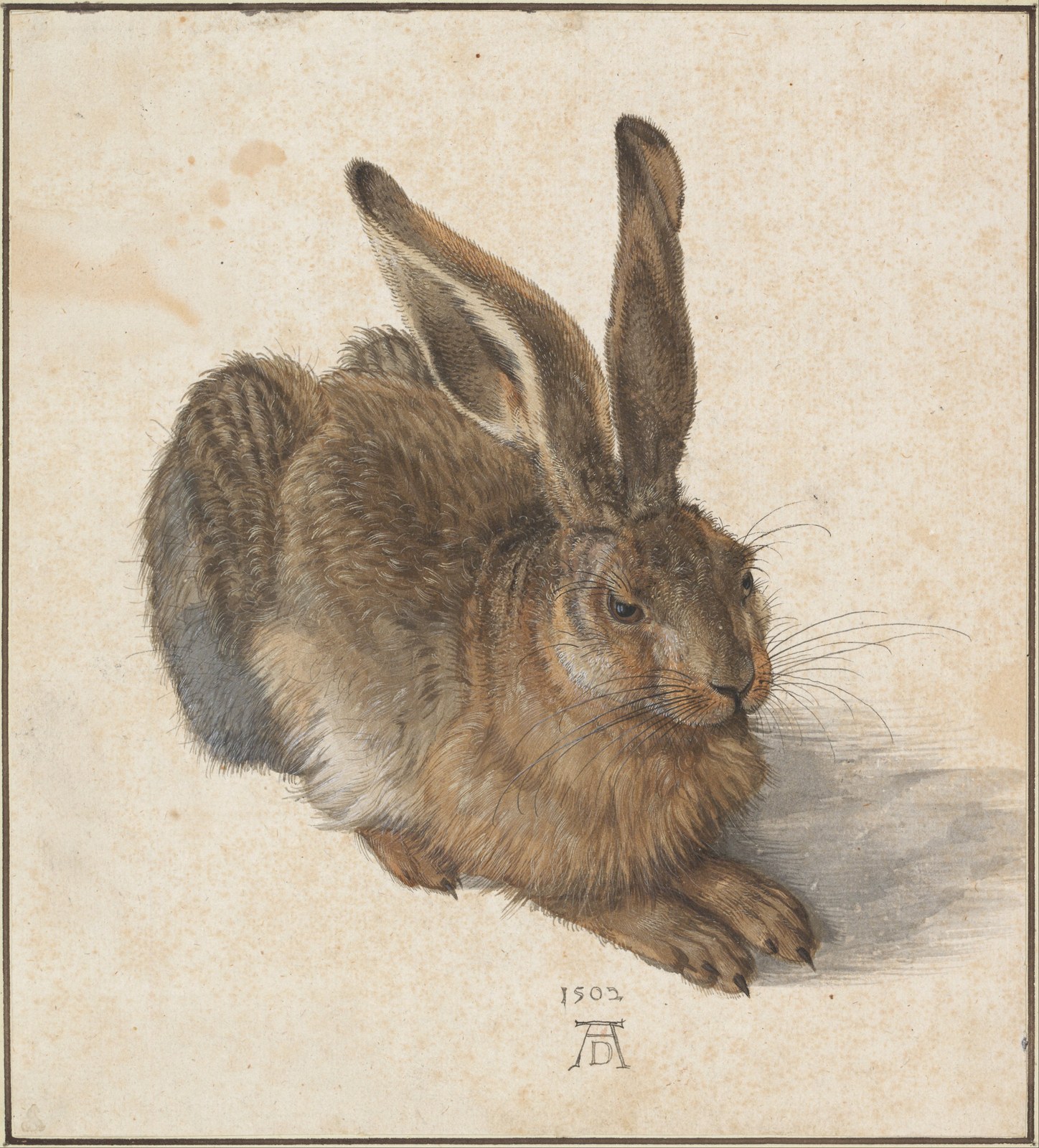
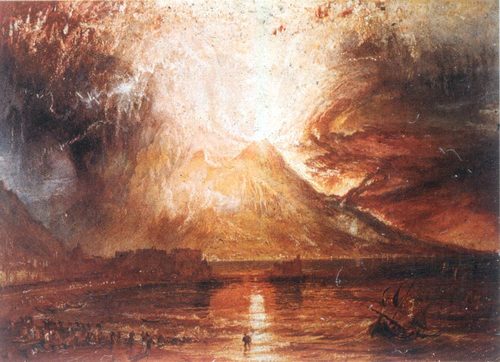
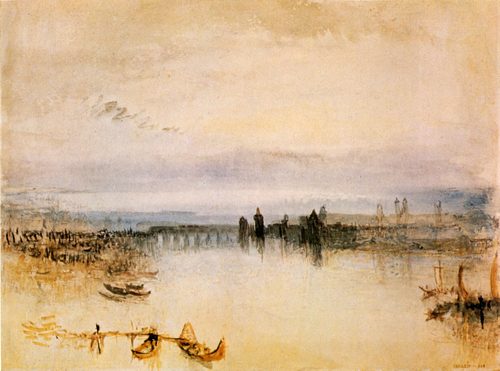
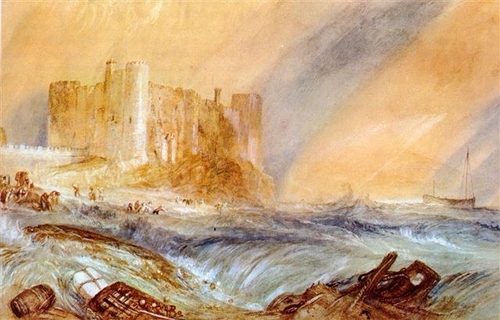
Watercolor is a water-soluble paint made from pigment bound in gum arabic, applied in thin, transparent layers that let white paper shine through and act as the picture's light source. Because the medium has no white pigment of its own, artists build value by leaving paper bare or thinly washed for highlights and by stacking successive glazes for shadow, a process that rewards planning since darks are hard to lift back to light. Its fluidity makes it uniquely responsive to water itself—colors bloom, bleed, and granulate as pigment settles unevenly into the paper's texture, effects painters court rather than fight. The medium favors spontaneity and economy of stroke over correction, since overworked passages turn muddy fast. Watercolor's portability, quick drying time, and minimal equipment have made it the default medium for travel sketching, botanical illustration, and any practice that prizes light, luminous, immediate mark-making over built-up surface.
How to spot it
- 01White paper left bare or barely tinted for highlights
- 02Soft, feathered edges where wet color bled into wet paper
- 03Granulating texture where pigment settled unevenly into the paper grain
- 04Layered transparent washes that darken where they overlap
- 05Visible paper tooth showing through thin color
The Watercolor workshop card
an afternoon to start, years to control fullyMaterials
- Watercolor paint (tube or pan)
- Cold-pressed or hot-pressed watercolor paper, 300 gsm or heavier
- Round and flat sable or synthetic brushes
- Mixing palette
- Two water containers, one for rinsing, one for clean water
- Masking fluid for reserving highlights
- Board and tape for stretching paper
Steps
- 1
Stretch the paper
Soak heavier paper and tape it flat to a board, or use a paper heavy enough to resist buckling, so washes lie flat instead of pooling in warped low spots.
- 2
Plan the whites first
Decide before painting which areas will stay bare paper, since watercolor has no white pigment to paint back in later. Mask them with fluid or simply paint around them.
- 3
Lay the lightest wash
Wet the paper evenly if you want a soft, graded sky or background, then drop in dilute pigment and let it flow, tilting the board to guide the color.
- 4
Build value in layers
Let each wash dry fully before glazing another over it, darkening shadows gradually rather than mixing one heavy dark, which keeps the color luminous instead of muddy.
- 5
Work wet-into-wet for softness
Drop color into a still-wet area to get soft, blooming edges for clouds, foliage, or shadow, and reserve crisp brush marks for details added once the paper has dried.
- 6
Lift color for highlights
Blot a damp, clean brush or tissue into a still-damp wash to pull pigment back out, recovering a soft highlight without waiting to paint around it.
- 7
Add crisp detail last
Once everything is bone dry, add the sharpest darks and finest lines with a small round brush loaded with concentrated pigment, since these marks read best against settled, dry washes.
Classic mistakes
Overworking a wash
Going back into a drying wash with more strokes lifts and muddies pigment instead of adding color. Let a passage dry completely, then glaze over it if it needs to be darker.
Using too little water
Thick, dry-brush strokes fight the medium's nature and look chalky rather than luminous. Watercolor wants to move, so mix pigment with plenty of water on the palette first.
Adding white paint for highlights
Watercolor whites come from bare paper, not opaque white pigment, which sits on top looking chalky and dead. Reserve highlights by masking or painting carefully around them instead.
Rushing between layers
Glazing over a wash that is not fully dry lifts the layer beneath and creates unwanted blooms. Wait until paper looks matte, not shiny, before painting over it again.
Where it comes from
Water-based pigment on paper has ancient roots, but watercolor matured as an independent medium in eighteenth- and nineteenth-century Britain, where topographical draftsmen and Romantic landscape painters like J.M.W. Turner pushed it from tinted drawing into a full expressive tool capable of atmosphere and light. Societies devoted to watercolor formed in London to argue for its standing alongside oil painting. In East Asia, ink-and-water traditions developed watercolor's expressive, gestural side centuries earlier along a separate lineage. The medium later became central to plein-air sketching, botanical and scientific illustration, and, in the twentieth century, a staple of children's art education and quick professional visualization.
See it done perfectly
| Work | Maker | Date | What to look at |
|---|---|---|---|
| The Great Blue Heron | John James Audubon | 1821 | Watercolor and other media used for precise, luminous ornithological illustration. |
| Blue Rigi, Sunrise | J.M.W. Turner | 1842 | Thin, atmospheric washes dissolve the mountain and lake into pure light and color. |
| Muddy Alligators | John Singer Sargent | 1917 | Loose, confident washes render reptilian texture and Florida light with remarkable economy of stroke. |
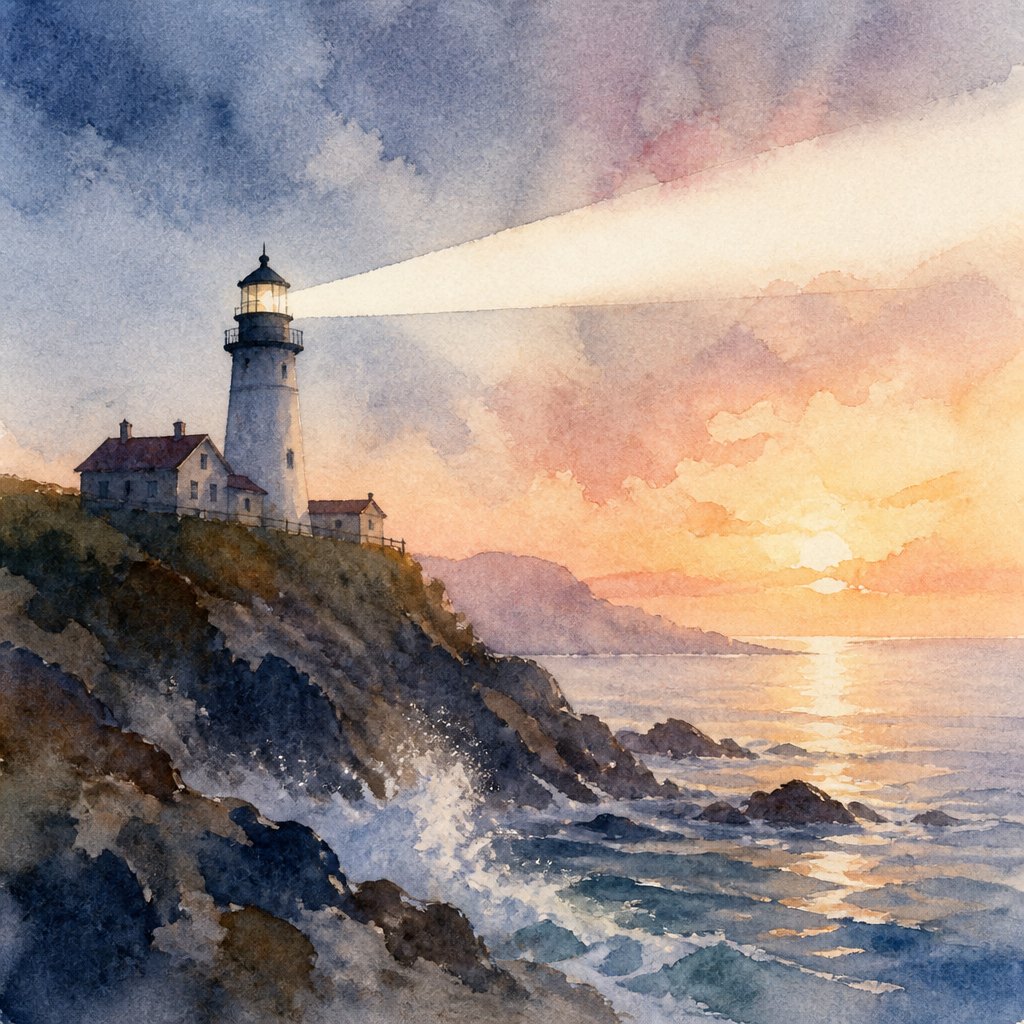 AI-generated
Try it with AI
Get the Watercolor look in a generator
To evoke this look, describe transparent, luminous washes with soft, feathered edges and visible white paper showing through as highlights. Useful vocabulary: wet-into-wet bloom, granulating pigment, layered glazes, soft graded wash, loose gestural brushwork, light-filled and airy, paper texture visible beneath thin color. Contrast crisp, dry-brushed darks against soft, diffused light areas for a convincing hand-painted feel. Naming the medium directly ("watercolor painting on textured paper") anchors the transparency and paper-grain effects that separate it from opaque or digital-looking renders.
Frequently asked questions
What is watercolor?
Watercolor is a paint made from pigment bound in gum arabic and thinned with water, applied in thin transparent washes so the white paper underneath supplies the picture's highlights and light.
Why does watercolor look different from acrylic or oil?
Watercolor stays transparent, letting layers glow and blend optically, while acrylic and oil sit opaquely on the surface. Watercolor also can't paint light over dark the way opaque media can.
Can watercolor be corrected once it dries?
Dried watercolor can be lifted or reworked with a damp brush to some degree, but heavy corrections tend to stain the paper or dull the color, so most artists plan ahead instead.
What paper works best for watercolor?
Cold-pressed paper around 300 gsm or heavier is the standard choice, since its texture holds pigment and resists the buckling that thinner paper suffers under wet washes.