 Art
Art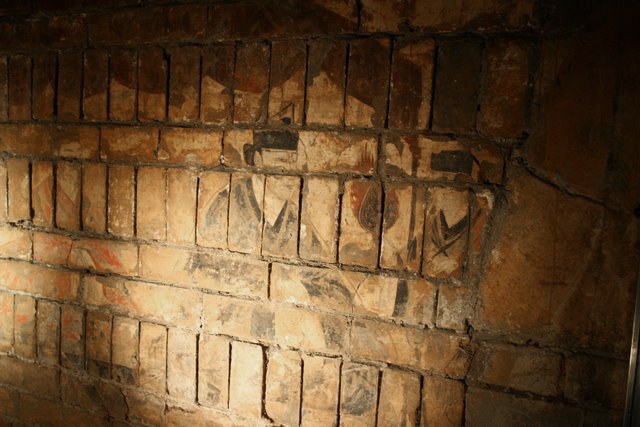
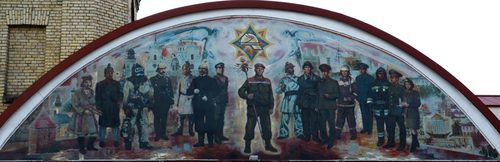
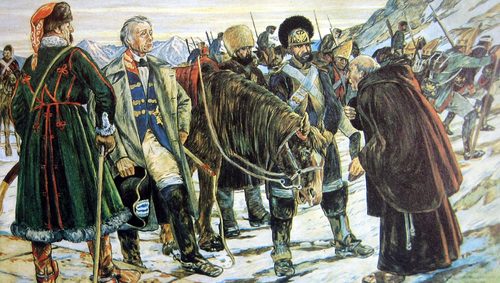
Mural painting is large-scale artwork made directly on a wall, ceiling, or other permanent architectural surface, rather than on a portable canvas or panel. Because a mural is fixed in place and often viewed from varying distances and angles as people move through a space, the artist has to plan composition, scale, and color to hold together from across a room as well as up close, and often to account for the wall's own shape, corners, or curvature. Techniques range from painting directly onto plaster or masonry with specialized durable paints to fresco, where pigment is applied into wet plaster and becomes chemically part of the wall as it dries. Murals have long served public and civic purposes, decorating churches, government buildings, and city streets with imagery meant to be seen by many people rather than owned by one collector, which shapes both their subject matter and their scale. Modern muralists also work on exterior walls, using paints formulated to withstand weather.
How to spot it
- 01Artwork painted directly onto a wall, ceiling, or architectural surface
- 02Composition scaled to be read from across a room or street
- 03Imagery that responds to the wall's shape, corners, or curve
- 04Public or civic subject matter aimed at a broad audience
- 05Visible plaster or masonry texture beneath the paint layer
The Mural Painting workshop card
days to weeks, depending on wall sizeMaterials
- Exterior or interior-grade acrylic mural paint
- Extension poles and rollers for large flat areas
- Scaffolding, ladders, or a lift for height
- Chalk line or projector for scaling up a design
- Primer suited to the wall's masonry or plaster
- Protective clear coat for exterior weather resistance
- Drop cloths and edging tape
Steps
- 1
Survey the wall and site
Assess the wall's material, condition, and typical viewing distances and angles before designing anything, since a mural has to work with its architecture, not just on top of it.
- 2
Design and scale the composition
Work out the image at small scale first, then grid it up or project it onto the wall at full size, checking that details remain legible from the farthest realistic viewing point.
- 3
Prepare and prime the surface
Clean, patch, and prime the wall so paint adheres evenly and lasts, since a mural's biggest enemy over time is a poorly prepared surface rather than the paint itself.
- 4
Transfer the design
Mark the composition's major lines onto the wall using a grid, projector, or chalk snap lines, establishing accurate proportions before committing to paint at full scale.
- 5
Block in large color areas
Work from the largest background shapes toward smaller foreground detail, covering ground efficiently and keeping the overall composition readable at every stage of the process.
- 6
Refine detail at working height
Move between distance and close range throughout, checking legibility from afar while refining detail up close, since scale distorts how fine marks read at true viewing distance.
- 7
Protect the finished surface
Apply a suitable clear protective coat, especially outdoors, to guard against weather, UV fading, and graffiti, extending the mural's life well beyond the paint alone.
Classic mistakes
Designing at the wrong scale
A composition that looks balanced on paper can read as cluttered or empty at wall size. Test the design at full scale, or at least from the actual intended viewing distance, before committing.
Skipping surface preparation
Painting over a dirty, unstable, or unprimed wall leads to peeling and premature failure regardless of paint quality. Budget real time for cleaning, patching, and priming before painting begins.
Ignoring the architecture
Treating a wall like a blank canvas and ignoring corners, windows, or texture produces a mural that fights its own site instead of working with it.
Using indoor paint outdoors
Standard paint fades and fails quickly outdoors. Use paint and clear coats rated for exterior weather and UV exposure on any mural facing the elements.
Where it comes from
Wall painting stretches back to prehistoric cave art and continued through Egyptian tomb decoration, Roman villa frescoes, and the fresco cycles of Renaissance Italy, where artists like Michelangelo painted directly onto wet plaster ceilings and chapel walls. The tradition found a major twentieth-century revival in Mexico, where muralists including Diego Rivera used public walls for large-scale civic and political imagery aimed at mass audiences rather than private collectors. That public, socially engaged model influenced mural movements worldwide, from Depression-era public works murals in the United States to contemporary street and community murals. Today mural painting spans government-commissioned civic art, gallery-adjacent public art programs, and independent street muralism on exterior walls.
See it done perfectly
| Work | Maker | Date | What to look at |
|---|---|---|---|
| Sistine Chapel ceiling | Michelangelo | 1508–1512 | Fresco covering the entire ceiling, scaled and composed to be read from the chapel floor far below. |
| Man at the Crossroads / Man, Controller of the Universe | Diego Rivera | 1934 | A large civic mural using scale and public placement to reach a mass audience. |
| Prometheus | José Clemente Orozco | 1930 | One of the first Mexican Mural Movement frescoes painted in the United States, spanning a dining-hall wall. |
 AI-generated
Try it with AI
Get the Mural Painting look in a generator
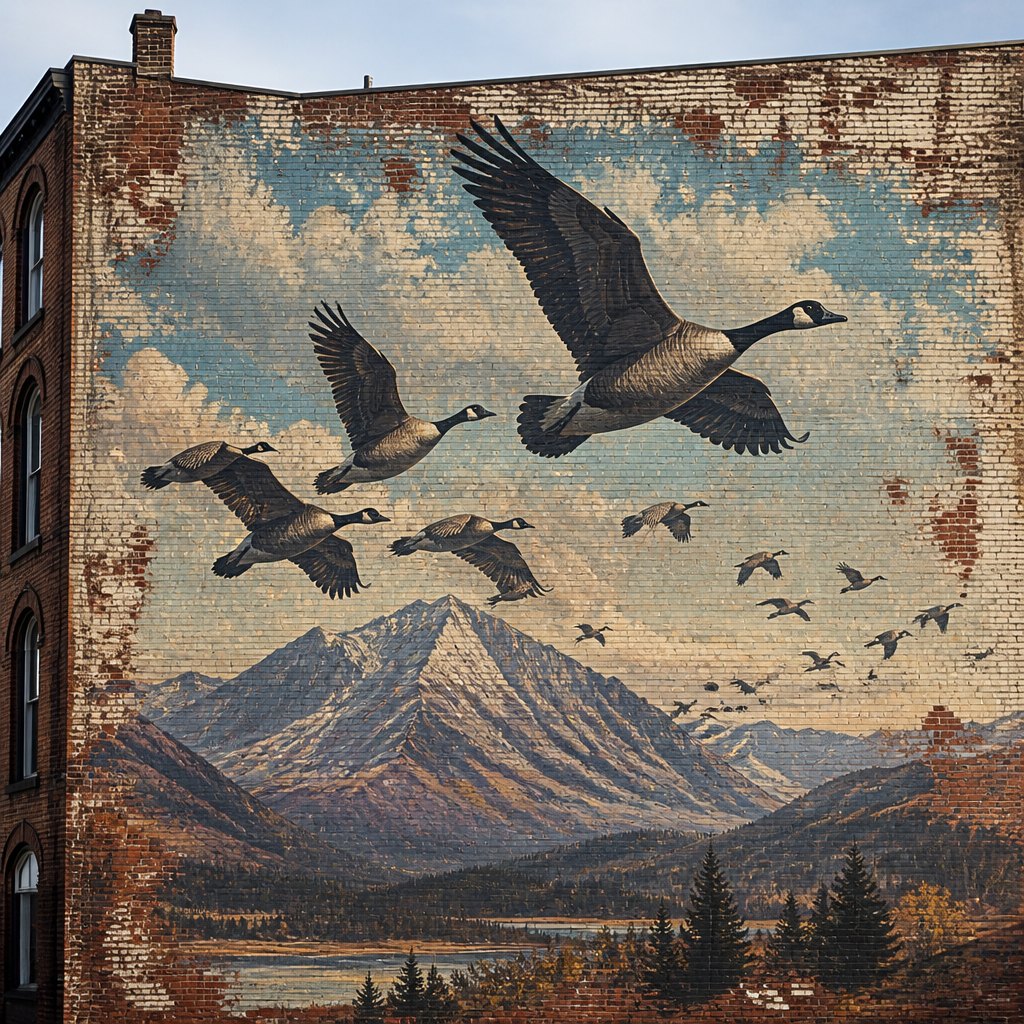
To suggest this scale and setting, describe a large painted image on a real wall, ceiling, or building facade, with visible architectural context like brick, plaster texture, corners, or scaffolding. Useful vocabulary: large-scale wall painting, public mural, painted building facade, monumental composition, architectural surface, weathered outdoor paint layer. Including the wall's edges, adjoining architecture, or a sense of human scale beside the image helps sell the monumental, sited feel that separates a mural from an ordinary framed painting.
Frequently asked questions
What is mural painting?
Mural painting is large-scale artwork made directly on a wall, ceiling, or other permanent surface, planned around its architecture and designed to be read clearly from real, often shifting, viewing distances.
Is a mural the same as a fresco?
No. Fresco is one specific mural technique, where pigment is applied into wet plaster and becomes chemically bonded to the wall; many murals instead use paint applied to a dry, primed surface.
Can murals be painted with regular house paint?
Interior murals can use quality acrylic house paint, but exterior murals need paint and clear coats specifically rated for weather and UV exposure, or they fade and fail quickly.
How long do outdoor murals typically last?
Well-prepared exterior murals with protective coatings can last many years, though sun exposure, weather, and pollution gradually fade colors, so periodic touch-ups extend a mural's life considerably.