 Art
Art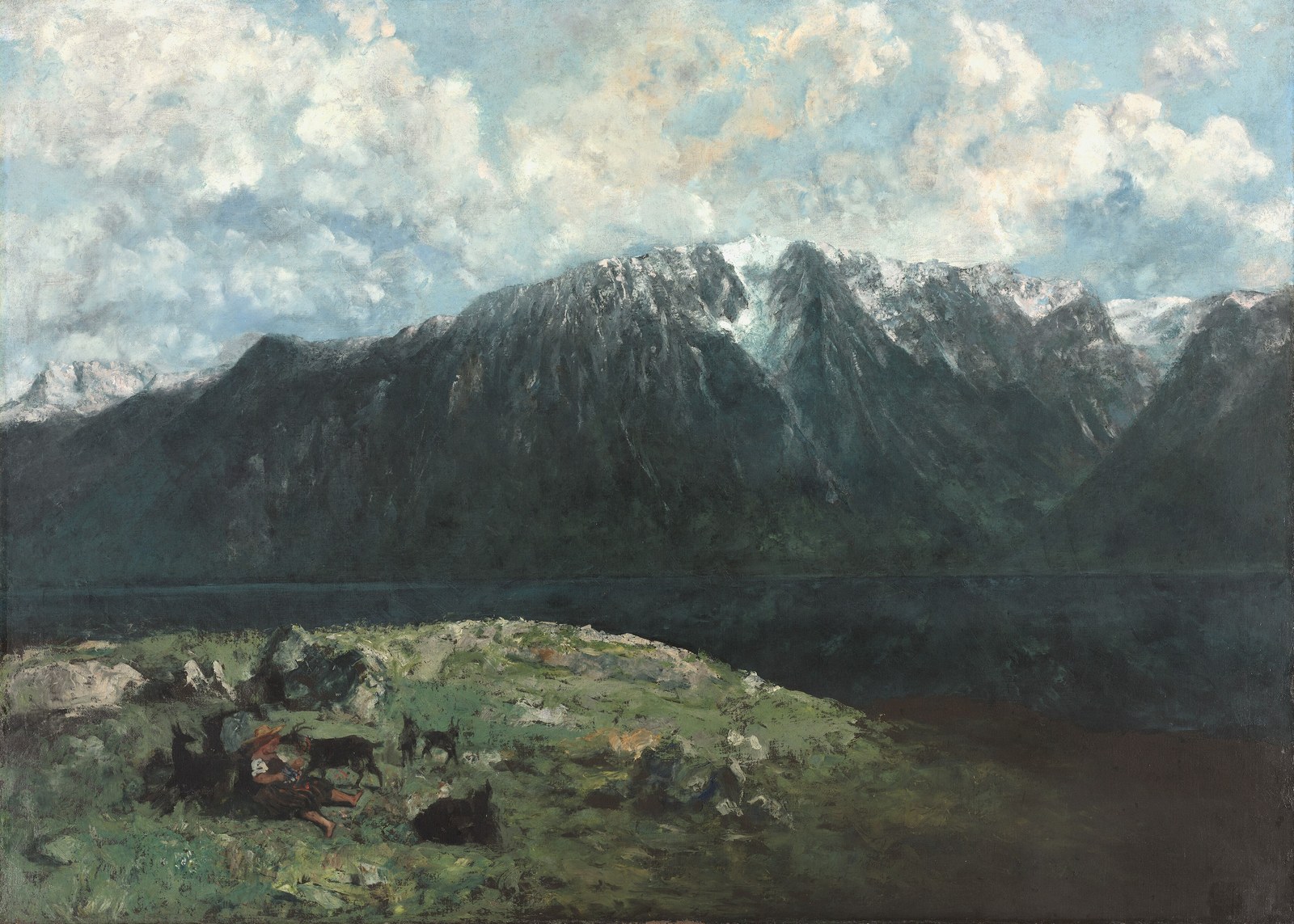
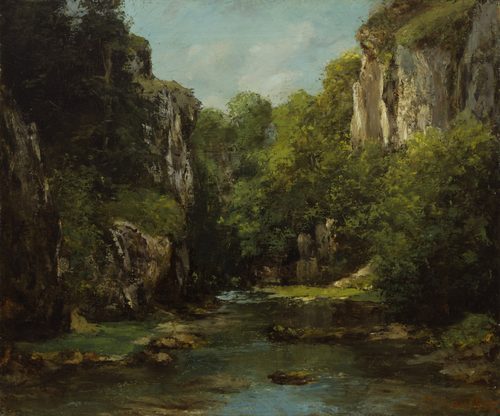
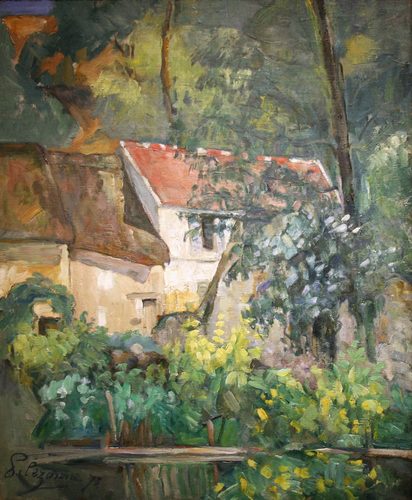
Palette knife painting is a method of applying paint with a flat, flexible blade instead of a brush, spreading, dragging, and stacking color to build a thick, sculptural surface. The blade's edges and flat face create marks brushes cannot: crisp ridges, torn textures, sudden color breaks, and smeared transitions where two loaded colors are dragged across each other in a single pass. Because the tool holds and deposits far more paint than a brush, it naturally produces impasto-like thickness, and its flat face is equally good at scraping paint away, revealing an underlying layer or color in a single controlled stroke. Painters reach for the knife when they want energy and immediacy in the mark itself, since a knife stroke records the exact gesture of the hand with less softening than a bristle brush allows. It works especially well for landscapes, florals, and abstract passages where texture and light-catching surface matter as much as depicted form.
How to spot it
- 01Thick ridges and edges of paint that catch real light
- 02Flat planes of color with sharp, blade-cut edges
- 03Two colors dragged together into a streaked transition
- 04Visible scraped-back passages showing a layer underneath
- 05No soft blending; color breaks meet abruptly
The Palette Knife Painting workshop card
a weekend to start, years to control textureMaterials
- Oil or heavy-body acrylic paint
- A set of palette knives in varied shapes and sizes
- Sturdy canvas or panel that can take pressure
- Painting palette for loading color onto the blade
- Rag or solvent for cleaning the blade between colors
- Easel stable enough to resist pushing pressure
Steps
- 1
Mix generous piles of color
Load thick, distinct piles of each mixed color onto the palette rather than thin puddles, since the knife needs substantial paint to deposit a satisfying ridge or plane.
- 2
Load the blade evenly
Scoop paint onto the flat face of the knife in a controlled amount, keeping it centered so the stroke deposits consistent thickness rather than trailing off unevenly.
- 3
Lay in large color masses first
Establish the composition's big shapes and value structure with broad knife strokes before adding any detail, since knife work reads best built from large to small.
- 4
Vary the pressure and angle
Change the blade's angle and pressure to produce different marks: flat pressure for smooth planes, an edge drag for sharp lines, a light touch for textured, broken color.
- 5
Drag colors into each other sparingly
Pull one loaded color partway into another for a streaked blend, but stop before they fully mix, preserving the distinct color breaks that give knife work its energy.
- 6
Scrape back where needed
Use the knife's flat edge to remove excess paint or reveal an underlying color beneath it, treating subtraction as a mark-making tool fully equal to addition throughout the painting process.
- 7
Let thick passages cure slowly
Heavy knife-built paint stays wet and vulnerable to smudging far longer than thin brushwork, so protect the surface and allow extra drying time before handling or varnishing.
Classic mistakes
Using paint that's too thin
Runny paint won't hold the ridges and edges that give knife work its character. Use paint straight from the tube, or heavy-body formulations, without excess medium or water.
Overblending every stroke
Dragging every color fully into the next erases the sharp breaks and streaks that distinguish knife painting from brushwork. Let some color transitions stay abrupt and distinct.
Loading too little paint per stroke
Skimpy loading produces thin, scratchy marks that lose the sculptural thickness the technique is known for. Commit to generous piles of paint on the palette before each stroke.
Fighting the knife's stiffness
Forcing fine detail with a blade meant for broad, flat marks produces awkward, labored passages. Save small detail for a brush, or embrace the knife's blunter vocabulary.
Where it comes from
Painters used palette knives for mixing color long before adopting them as a painting tool, but nineteenth-century artists began applying paint directly with the blade to achieve thicker, more physical surfaces than brushes allowed. Gustave Courbet used the knife for bold, tactile passages in his landscapes and still lifes, and later painters expanded the technique into fully knife-built canvases where brushwork barely appears. The approach gained wider popularity in twentieth-century landscape and floral painting, prized for its speed and its ability to suggest form through pure texture and light-catching ridges of paint rather than fine detail, making it a favorite for plein-air and studio work alike.
See it done perfectly
| Work | Maker | Date | What to look at |
|---|---|---|---|
| The Wave | Gustave Courbet | 1870 | Thick, blade-applied paint gives the crashing water and foam real physical texture. |
| Le Parc des Princes | Nicolas de Staël | 1952 | A night football match built from thick slabs of palette-knife color, floodlit and nearly abstract. |
| Realist marine and landscape painting | Unknown | 19th century | Painters reached for the knife to render foam, rock, and foliage with real physical texture. |
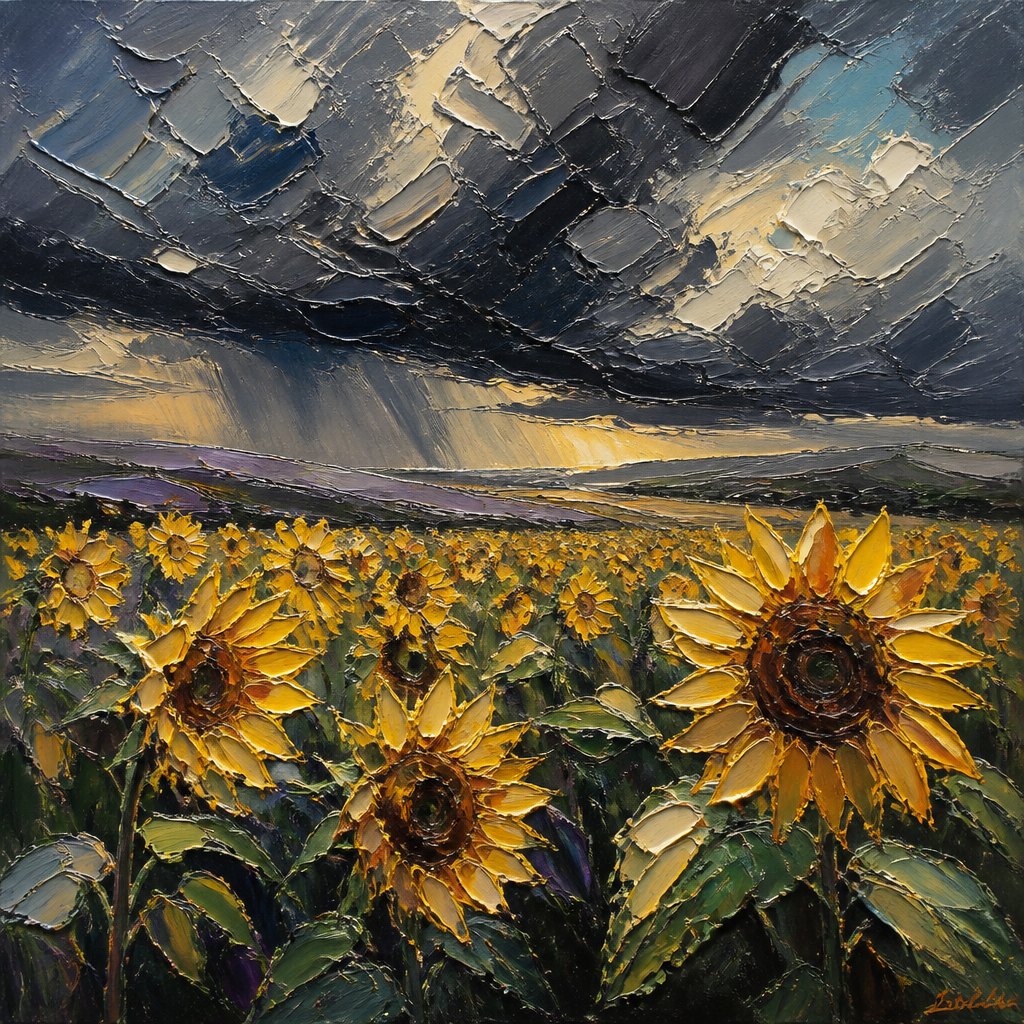 AI-generated
Try it with AI
Get the Palette Knife Painting look in a generator
To suggest this technique, describe thick, sculptural paint with sharp blade-cut edges, streaked color transitions, and visible ridges catching light. Useful vocabulary: heavy impasto, knife-applied texture, flat plane of color, dragged color streaks, scraped paint layers, tactile paint surface, sharp edge breaks between colors, slab-like paint application. Emphasize physical texture and directional light raking across the ridges, since that catch-light effect on real paint thickness is central to how the technique reads visually in an image.
Frequently asked questions
What is palette knife painting?
Palette knife painting applies paint with a flat, flexible blade instead of a brush, spreading and dragging color to build thick, textured, sculptural surfaces with crisp edges and visible ridges.
Is a palette knife the same as an ordinary painting knife?
Yes; painters use the term interchangeably, though dedicated painting knives often have a more flexible, cranked blade shaped for spreading paint rather than the stiffer blade used for mixing.
Can palette knife painting be done with acrylics?
Yes, heavy-body acrylic holds its shape well under a knife, though it dries faster than oil, giving less time to drag and blend colors before the surface sets.
Do you need special training to use a palette knife?
No prior training is required, but expect an adjustment period, since the blade behaves very differently from a brush and rewards practicing basic strokes before attempting a full composition.