 Art
Art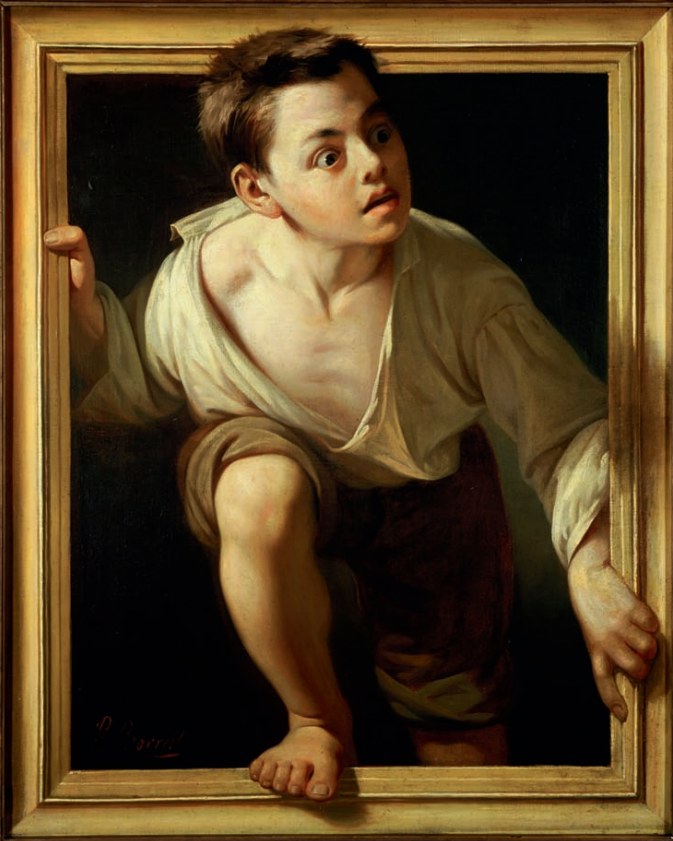
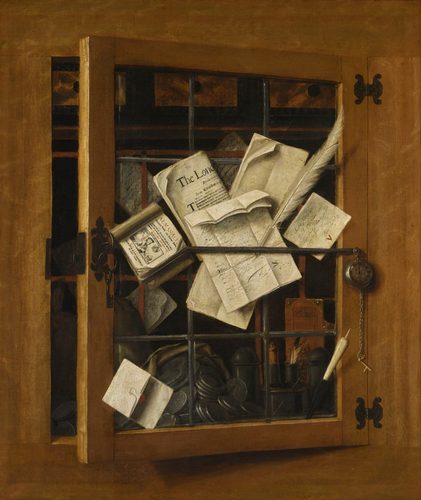
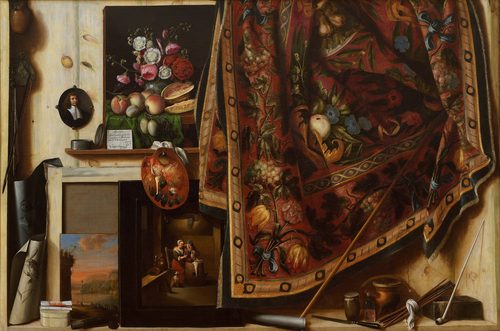
Trompe-l'œil is a French term meaning "deceive the eye," describing painting so exact in perspective, light, and cast shadow that a flat surface convinces a viewer, if only for a moment, that they are looking at real depth or real objects rather than paint. It relies on rigorous linear perspective, carefully observed value structure, and matched viewing distance and angle, since the illusion typically works best from one intended vantage point. Painters use it to open false windows and niches in flat walls, to paint fictive architecture that extends a room, or to render objects like letters, coins, or tools pinned to a board so convincingly that viewers reach out to touch them. Unlike ordinary realism, which aims for likeness, trompe-l'œil aims specifically for confusion between painted and actual space, making it as much an exercise in optics and viewer psychology as in brushwork.
How to spot it
- 01Cast shadows painted to match the room's actual light source
- 02A single ideal viewing point where the illusion snaps into place
- 03Objects that appear to project past their painted frame or ledge
- 04Painted architecture, niches, or windows on a flat wall
- 05Extreme, almost forensic detail on small painted objects
- 06The illusion collapsing when viewed from an odd angle
The Trompe-l'œil workshop card
years of perspective and value study to masterMaterials
- Oil or acrylic paint in a full value range
- Fine detail brushes, including small rounds and liners
- Straightedge and perspective grid or string line
- Reference objects and consistent studio lighting
- Primed panel, canvas, or wall surface
- Graphite for underdrawing
- Varnish for a unifying final sheen
Steps
- 1
Fix the viewing point
Decide exactly where the viewer will stand before drawing anything, since the entire illusion of depth and perspective is built to resolve correctly from that one spot.
- 2
Establish true perspective
Construct an accurate perspective grid with a real vanishing point and horizon line, since even a small perspective error breaks the illusion immediately and permanently.
- 3
Light the scene from one source
Choose a single, consistent light direction and hold to it across every object and shadow in the composition, because inconsistent lighting is the fastest way to read as painted.
- 4
Build value before color
Block in a full range from darkest shadow to brightest highlight in monochrome first, since convincing depth depends more on correct value structure than on accurate hue.
- 5
Paint cast shadows precisely
Render shadows with the same care as the objects casting them, matching their shape, softness, and direction exactly to how light would actually fall in the room.
- 6
Push edge control
Sharpen edges where objects meet empty space and soften them where forms recede, since edge quality does as much work as color to sell three-dimensional form.
- 7
Test from a distance
Step back to the intended viewing distance repeatedly while working, since details that look right up close often read as flat or wrong once seen from where a viewer will actually stand.
Classic mistakes
Ignoring the viewing angle
Painting an illusion that only works dead-on from one narrow spot disappoints most real viewers. Test the composition from likely approach angles, not just the ideal one.
Inconsistent light direction
Shadows that point different ways on different objects break the illusion instantly. Commit to one light source and check every shadow against it before finishing.
Overdetailing the wrong areas
Piling in fine detail everywhere flattens the composition, since real vision softens focus away from a central point. Save the sharpest detail for the area meant to fool the eye first.
Skipping the underlying perspective grid
Freehanding architectural elements without a true vanishing point produces subtle warps that read as unsettling even to viewers who cannot say why. Build the grid before painting.
Where it comes from
Roman wall painters used illusionistic architecture and still-life motifs to open up small rooms, and the technique resurfaced with Renaissance advances in linear perspective, when artists painted fictive niches, doorways, and architectural extensions onto real walls and ceilings. It flourished again in seventeenth-century Dutch still-life painting, where artists rendered pinned letters, insects, and dewdrops with obsessive precision, and in Baroque ceiling painting, which dissolved real architecture into painted sky. American painters like William Harnett revived the tradition in the nineteenth century with meticulous still lifes of everyday objects. The technique persists today in muralism, theatrical scenery, and architectural decoration wherever a flat surface needs to read as real space.
See it done perfectly
| Work | Maker | Date | What to look at |
|---|---|---|---|
| Ceiling of Sant'Ignazio | Andrea Pozzo | 1685–1694 | A flat ceiling painted to dissolve into an impossibly soaring, illusionistic architectural sky. |
| After the Hunt | William Harnett | 1885 | Hunting gear and game painted hanging on a door so precisely it reads as real. |
| Escaping Criticism | Pere Borrell del Caso | 1874 | A boy appears to climb bodily out of the picture frame, one of the technique's most literal illusions. |
 AI-generated
Try it with AI
Get the Trompe-l'œil look in a generator
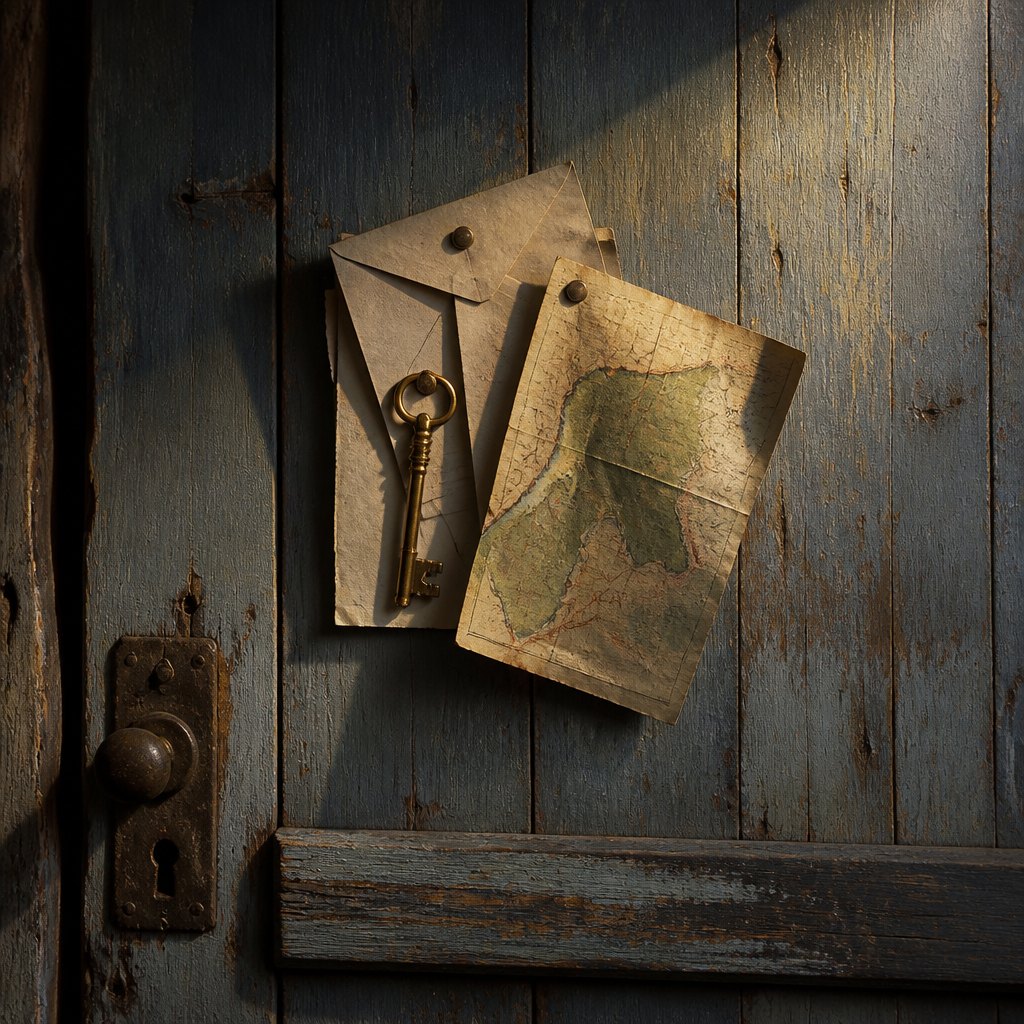
To suggest this effect, describe hyperrealistic detail combined with an obvious flat surface being deceived: a painted object that appears to cast a real shadow, or fictive architecture opening a flat wall. Useful vocabulary: photorealistic rendering, single consistent light source, cast shadow on flat surface, painted niche, illusionistic depth, meticulous still-life detail, trick-of-the-eye perspective. Emphasizing a single strong light direction and sharp, deliberate shadows does more to sell the illusion than surface detail alone.
Frequently asked questions
What is trompe-l'œil?
Trompe-l'œil, French for "deceive the eye," is painting so precise in perspective, light, and shadow that a flat surface momentarily convinces a viewer they are seeing real depth or real objects.
Does trompe-l'œil only work on walls and ceilings?
No. While it is famous for fictive architecture, painters also use it at small scale, rendering pinned letters, coins, or tools on a board so convincingly they seem to project outward.
Can trompe-l'œil be done with acrylics?
Yes. Acrylic's fast drying time and opacity suit the careful, layered value-building trompe-l'œil requires, though oil paint's longer blending window remains popular for its smooth gradations.
Why does the illusion only work from certain angles?
The perspective and shadows are constructed to resolve correctly from one intended viewpoint, so moving away from that spot reveals the distortions the painter built in to make it work head-on.