 Art
Art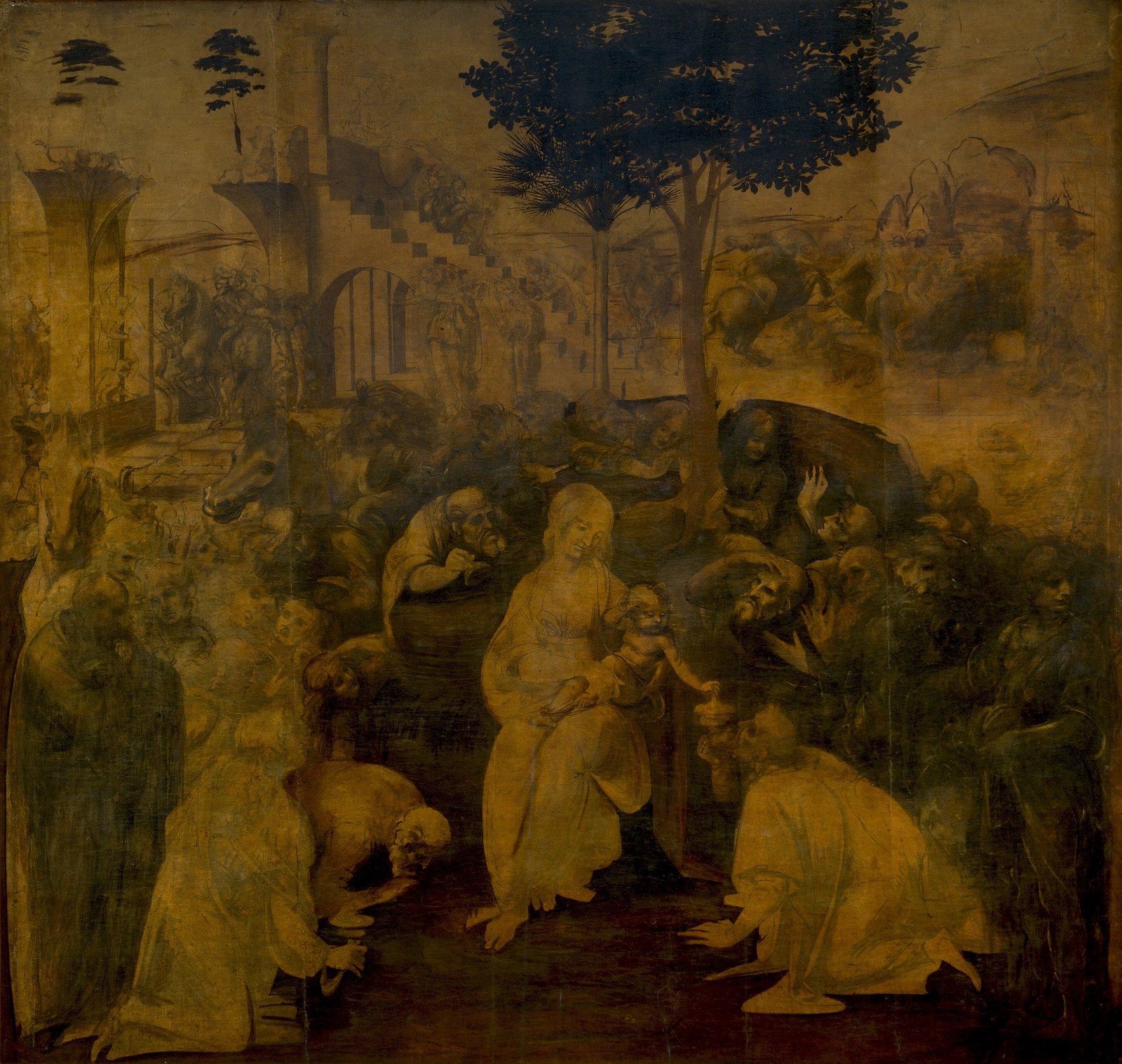
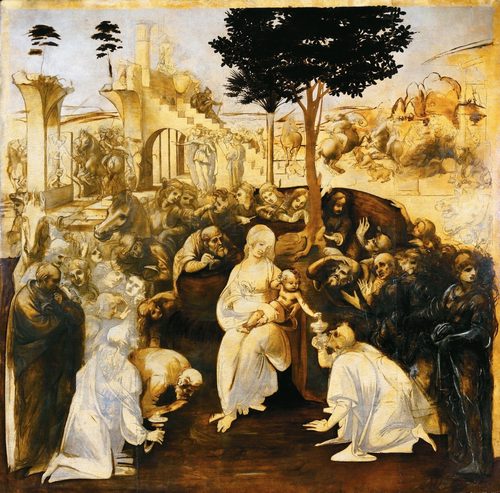
Underpainting is a preparatory layer of paint, usually monochrome or in a limited palette, applied before the final layers of color to establish the composition's values, forms, and light-dark structure. It can be as simple as an imprimatura — a thin, transparent wash of a single warm or cool tone brushed over a white ground — or as developed as a full grisaille rendering every shadow and highlight in gray before any color touches the canvas.
Painters use underpainting to separate two problems that are hard to solve at once: getting the values right, and getting the color right. With the drawing and tonal structure already resolved underneath, later layers of color or glazes can be applied with more confidence, since the underpainting shows through subtly and unifies the final surface. It also tints the white of the canvas, which otherwise fights with the true colors laid on top.
How to spot it
- 01A warm or cool tint peeking through in shadows or transitions between colors.
- 02A unified, harmonious feel to the color as if it all sits on one tone.
- 03Value and shadow shapes that seem more resolved than the color detail on top.
- 04Thin, transparent color in shadow areas revealing an underlying toned ground.
- 05Occasional visible patches of the base tone left deliberately uncovered.
The Underpainting workshop card
One extra session before the color beginsMaterials
- burnt sienna or raw umber for a traditional warm imprimatura
- large flat or filbert brushes for broad tonal blocking
- thinner or medium to keep the underlayer lean and fast-drying
- a primed canvas or panel
- rag for wiping back and adjusting the toned wash
- a limited palette, often just black, white, and one earth color
Steps
- 1
Tone the ground
Brush a thin, transparent wash of a single color — often a warm earth tone — over the entire white canvas and let it dry. This kills the glare of raw white and sets an overall temperature.
- 2
Block in the darkest darks
Establish the deepest shadow shapes first in a slightly darker value than the toned ground, working with simple, flat shapes rather than fussing over detail yet.
- 3
Work up through the mid-tones
Add middle values next, keeping edges soft and shapes simple throughout. The goal at this stage is accurate value relationships across the whole canvas, not finished form.
- 4
Add the lightest lights sparingly
Reserve the brightest highlights for last and use them sparingly — in a monochrome underpainting, a little bright value goes a long way toward reading as light.
- 5
Keep the paint lean
Use less oil or medium than you will in later color layers, following the fat-over-lean principle so that subsequent layers dry properly later and don't crack over time.
- 6
Let it dry fully
Give the underpainting time to dry completely before glazing or painting color over it — working into wet underpainting muddies the values you just worked to establish.
- 7
Glaze or scumble color on top
Apply transparent glazes or broken scumbles of color over the fully dried underpainting, letting the tonal structure beneath guide and quietly unify the final layer of color.
Classic mistakes
Skipping straight to color
Jumping into full color without resolving values first often produces a picture with confused, competing light and shadow. Settle the tonal structure before adding color.
Underpainting too thickly
A heavily loaded underpainting takes longer to dry and can show through later layers as unwanted texture. Keep it thin and lean.
Ignoring fat-over-lean
Using an oily, medium-rich mix for the underpainting and a leaner one on top invites cracking as the layers dry at different rates. Keep early layers lean.
Overcorrecting values later
Constantly repainting the underpainting's values once color layers begin defeats its purpose. Trust the tonal work you did early and build on it.
Where it comes from
Underpainting became standard practice in Renaissance and Baroque workshops, where panels and canvases were typically toned with an imprimatura before painting began, and complex figures were often blocked in with a monochrome dead layer to resolve composition and light before color was introduced. The method let painters separate drawing and value problems from color problems, working out light and shadow first in cheap, fast-drying paint before committing to more expensive pigments. It remained standard through academic training into the 19th century, taught as the disciplined foundation beneath finished color. Many painters still tone a canvas or block in values today, though the elaborate multi-layered underpaintings of earlier centuries are less common in faster, modern working methods.
See it done perfectly
| Work | Maker | Date | What to look at |
|---|---|---|---|
| Adoration of the Magi (unfinished) | Leonardo da Vinci | c. 1481 | Left unfinished, it shows the brown monochrome underpainting stage before color was ever applied. |
| Portraits and biblical scenes | Rembrandt van Rijn | 1630s–1660s | Built up from a toned ground and monochrome dead-coloring before glazes of color and light were added. |
| Portraits and history paintings | Diego Velázquez | 17th century | Painted with a visible warm-toned ground that unifies shadows and half-tones throughout the finished work. |
 AI-generated
Try it with AI
Get the Underpainting look in a generator
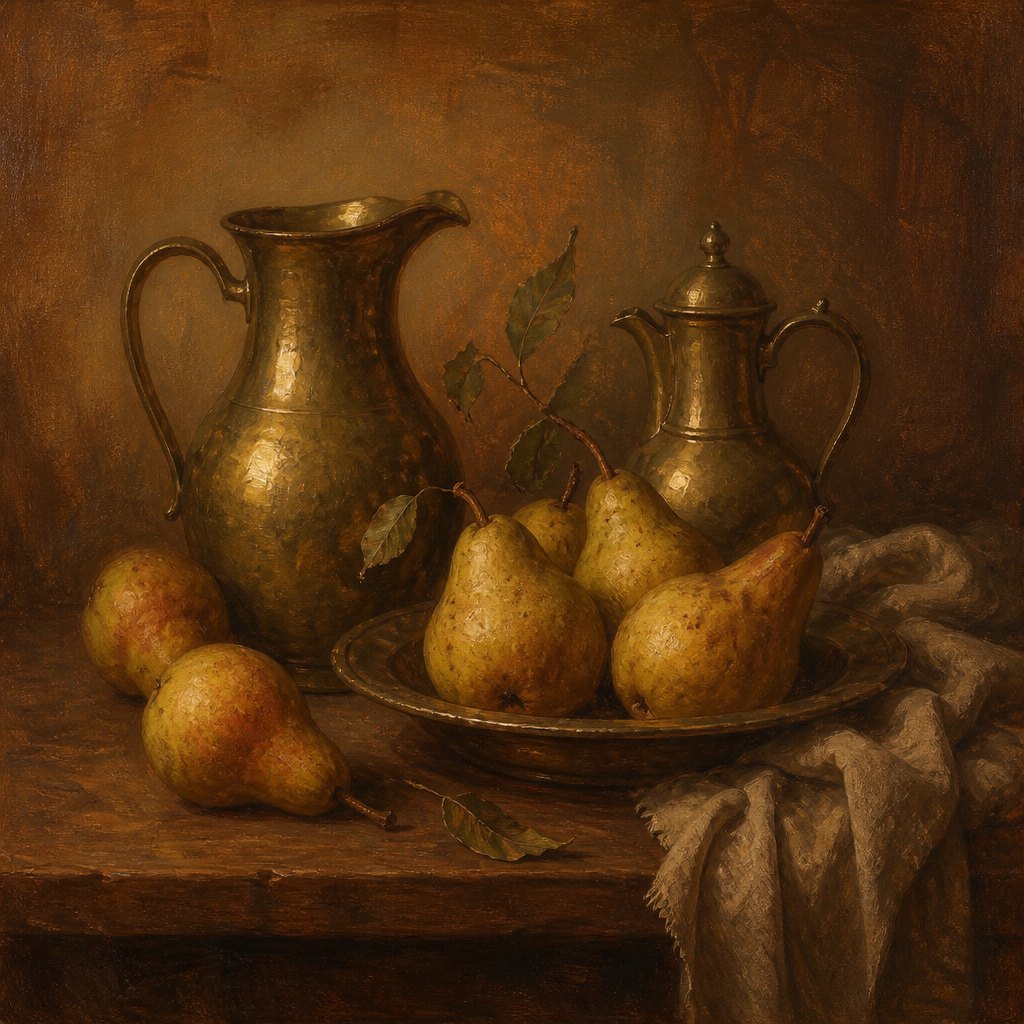
To evoke underpainting in an AI generator, describe 'visible monochrome underpainting,' 'warm toned ground showing through thin color,' or 'grisaille base beneath transparent glazes.' Words like 'unified warm undertone,' 'value study visible in shadows,' and 'thin glazes over a toned ground' point toward the layered, tonally disciplined look. Mentioning 'earth-toned imprimatura' or 'muted underlayer peeking through' helps signal the classical, built-up quality rather than flat, single-layer color straight from the tube.
Frequently asked questions
What is underpainting?
Underpainting is a preliminary layer of paint, often monochrome or a single tone, used to work out composition, values, and light before color is applied on top.
What's the difference between underpainting and imprimatura?
Imprimatura is a thin, transparent tint brushed over a bare canvas to kill the white glare before any drawing begins. Underpainting is more developed, often blocking in actual light and shadow shapes.
Do I have to underpaint every painting?
No — many painters work directly in color without it. Underpainting is most useful for complex, multi-session pieces where getting values right first makes the color stage easier to control.
Can I underpaint with acrylics under an oil painting?
Yes, acrylic underpainting under oil paint is common and safe because acrylic dries fast and oil can be applied over it — just never paint acrylic over dried oil, which can crack.