 Art
Art
Embroidery is the art of decorating fabric by stitching thread, yarn, or other materials onto its surface, using needle and hand or machine tension to build lines, texture, and shaded imagery entirely out of stitches. Each stitch type has its own character: satin stitch lays flat, glossy fills; chain stitch makes a raised, linked line; French knots add dimensional texture in small clusters. Direction matters as much as color — stitches angled to follow a form catch light differently than stitches running against it, which is how embroiderers suggest volume without paint. Artists and craftspeople reach for embroidery because thread carries a tactile, dimensional quality flat media can't match, and because it can be worked into clothing and functional textiles as well as standalone art. It ranges from folk-tradition pattern work passed through families to elaborate pictorial embroidery rivaling painting in detail.
How to spot it
- 01Visible stitch texture creating a raised, tactile surface rather than a flat printed one.
- 02Directional stitches that shift angle to suggest the curve or form of an object.
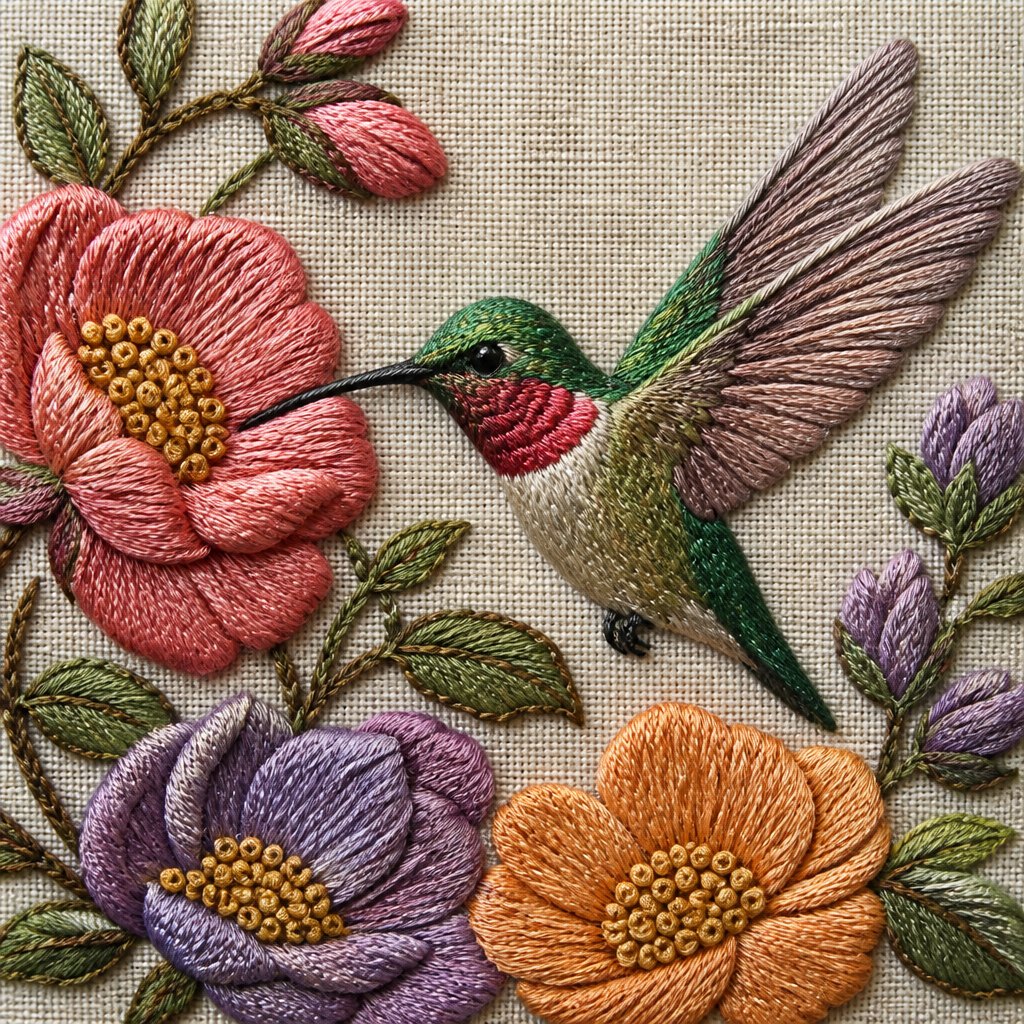
- 03Small knotted clusters (French knots) used for dense, dotted texture like flower centers.
- 04A slightly puckered or textured ground fabric where dense stitching has pulled the weave.
- 05Thread sheen that shifts with viewing angle, especially in silk or metallic thread work.
The Embroidery workshop card
an afternoon for basics, months for pictorial workMaterials
- embroidery hoop or frame
- cotton, linen, or silk ground fabric
- stranded embroidery floss or wool yarn
- embroidery needles in varying sizes
- small sharp scissors
- water-soluble fabric marker for transferring designs
- metallic or specialty thread for accents
Steps
- 1
Transfer the design
Trace or draw the pattern onto the fabric with a water-soluble marker or transfer paper, keeping lines light enough to be fully covered with stitching.
- 2
Hoop the fabric
Stretch the fabric drum-tight in a hoop or frame before you begin; even tension keeps stitches from puckering the ground fabric as you work through the design.
- 3
Choose stitches for each area
Match stitch type to purpose — satin stitch for solid fills, stem or chain stitch for outlines, French knots for texture — before threading the needle.
- 4
Thread and secure the needle
Cut a workable length of thread, separate strands if needed for finer coverage, and anchor the first stitch with a small knot or waste knot.
- 5
Work outlines before fills
Stitch defining outlines first so that fill stitches have a clean, precise edge to work up to, keeping the finished shape crisp and well controlled.
- 6
Follow form with stitch direction
Angle each stitch to follow the direction a form would naturally curve, which is what makes stitched shading read as dimensional rather than quite flat.
- 7
Finish and secure threads
Weave thread ends carefully through the back of existing stitches rather than knotting, keeping the reverse side neat and stopping stitches from pulling entirely loose.
- 8
Press and mount
Steam the finished piece gently from the back to relax any puckering, then mount or frame it carefully without flattening the raised stitch surface texture.
Classic mistakes
Loose hoop tension
A slack hoop lets fabric shift mid-stitch, distorting lines and causing puckering. Re-tighten the hoop as you rotate the work.
Pulling stitches too tight
Overly tight tension buckles the ground fabric and flattens stitch texture; let each finished stitch sit naturally with slight ease.
Ignoring stitch direction
Stitching in a single direction regardless of form makes shading look flat instead of dimensional; vary direction to follow the shape.
Using thread that's too long
Long thread lengths tangle and fray from repeated pulling through fabric; cut shorter working lengths and simply rethread the needle more often.
Where it comes from
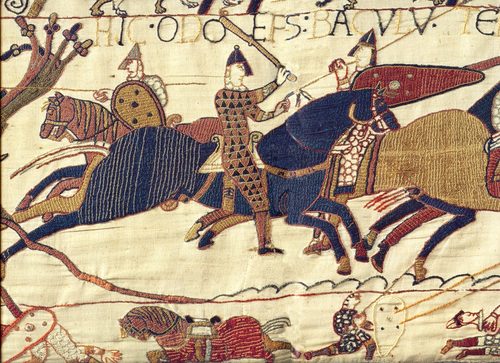
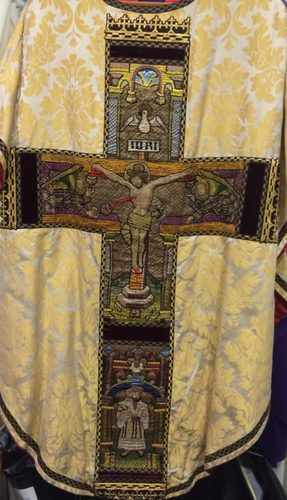
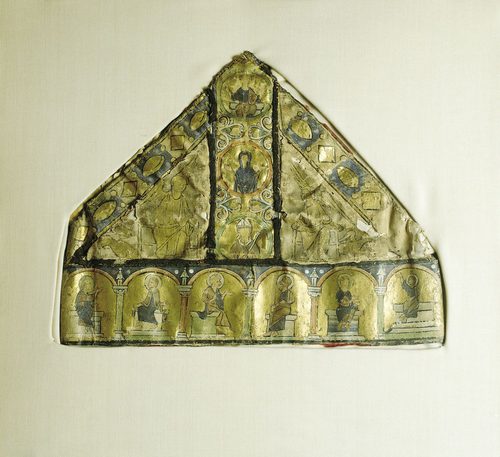
Embroidery has independent, deep histories across nearly every textile culture — Chinese silk embroidery, South Asian metal-thread work, European ecclesiastical vestments, and countless folk traditions using regional stitch vocabularies and motifs. In medieval Europe, church and royal embroidery workshops produced elaborate figurative work for vestments and hangings, with the Bayeux Tapestry — technically an embroidered narrative, not a woven tapestry — standing as one of the best-known surviving large-scale examples. Embroidery served both devotional and status-display purposes for centuries, often produced collaboratively in workshops. The technique shifted from purely hand-worked pieces to include machine embroidery after the nineteenth century, though hand embroidery persists as both craft tradition and contemporary fine art.
See it done perfectly
| Work | Maker | Date | What to look at |
|---|---|---|---|
| Bayeux Tapestry | Unknown | circa 1070s | A 70-meter embroidered — not woven — narrative frieze depicting the Norman Conquest in wool thread on linen. |
| Opus Anglicanum vestments | Unknown | 12th–14th century | Prized medieval English ecclesiastical embroidery worked in silk and metal thread, exported across Europe. |
| Qing dynasty court robes | Unknown | Qing dynasty | Elaborate silk-thread dragon and phoenix motifs on imperial robes, worked in fine satin and couching stitches. |
 AI-generated
Try it with AI
Get the Embroidery look in a generator
To suggest embroidery in an AI image generator, name the stitch texture directly: 'raised satin stitch,' 'visible thread texture,' 'French knot clusters,' or 'chain-stitch outlines.' Specify the ground — 'linen fabric,' 'embroidery hoop' — and thread type — 'silk floss,' 'wool thread,' 'metallic thread' — for material accuracy. Words like 'tactile,' 'dimensional stitching,' and 'directional thread sheen' push the image away from flat printed pattern toward genuine needlework. Close-up framing that shows individual stitches reads more convincingly than a distant view of the whole piece.
Frequently asked questions
What is embroidery?
Embroidery is the art of decorating fabric by stitching thread, yarn, or beads onto its surface with a needle, using stitch type and direction to build line, texture, and shaded imagery.
What's the difference between embroidery and tapestry weaving?
Embroidery stitches thread onto an existing woven fabric; tapestry weaving creates the image and the fabric structure simultaneously on a loom. The Bayeux Tapestry, despite its name, is embroidery.
What stitches should a beginner learn first?
Running stitch, backstitch, satin stitch, and French knots cover most basic needs — outlines, fills, and texture — and form a solid foundation before learning more specialized stitches.
Can embroidery be done by machine?
Yes — machine embroidery has existed since the nineteenth century and is common commercially today, though hand embroidery remains valued for its texture and craft in fine art and couture.