 Art
Art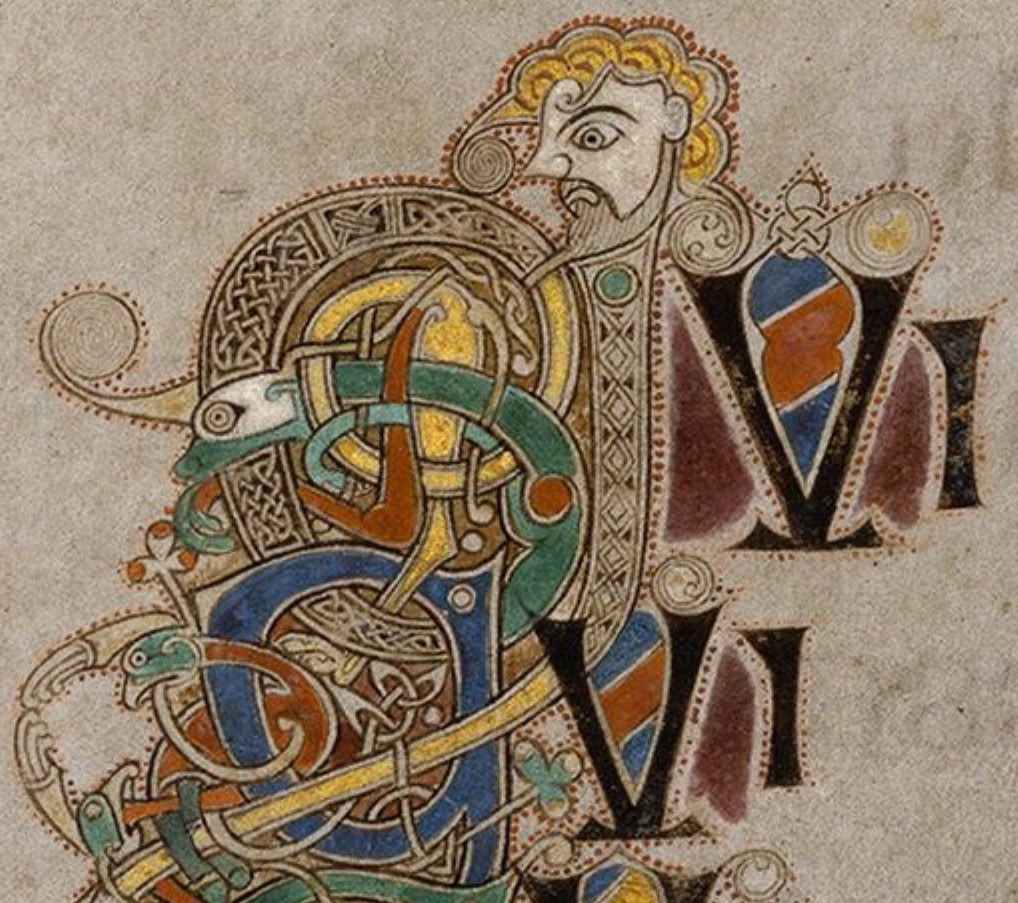
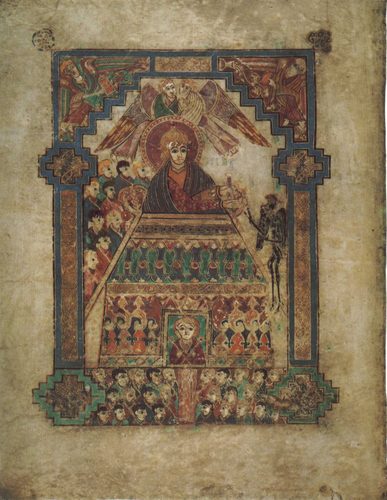
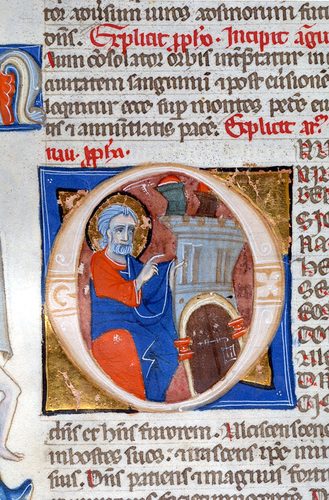
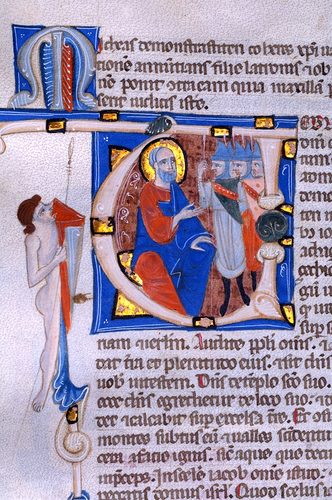
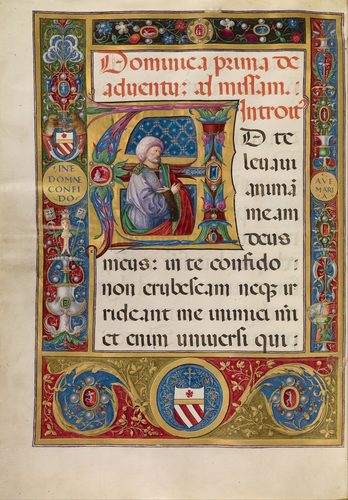
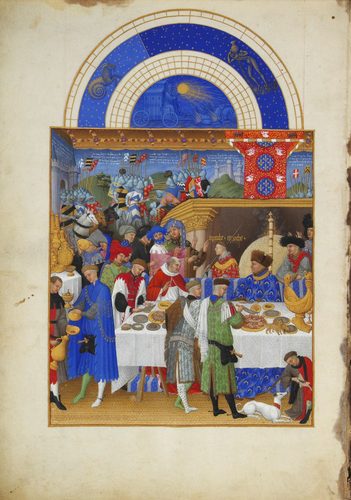
Manuscript illumination is the art of decorating handwritten books and documents with gold, silver, and vivid pigment — illustrated initials, framed miniature scenes, and ornamented borders that turn a page of text into an object of visual devotion or prestige. The name comes from the way gold leaf and burnished metal catch light and seem to glow against the page. Illuminators worked after the scribe had laid down the text, planning space for initials and images, then applying gold size, laying leaf, and burnishing it before adding pigment mixed with binders like egg yolk or gum. Artists reached for illumination to honor sacred texts, display wealth and patronage, and make books objects worth protecting and passing down. Its combination of flat, jewel-like color, gold ground, and dense pattern gave medieval and early Renaissance books a visual richness that printed pages could never fully replace.
How to spot it
- 01Raised, burnished gold leaf that catches light differently than painted color.
- 02Elaborate decorated initial letters, sometimes containing whole miniature scenes inside them.
- 03Dense borders of vines, flowers, or small figures framing the text block.
- 04Flat, jewel-toned color fields with little to no shading or depth.
- 05Miniature scenes inset directly into or beside a block of handwritten text.
The Manuscript Illumination workshop card
days per page, years to master gildingMaterials
- vellum or fine parchment
- gold leaf and gold size or gesso
- burnishing tool (agate or dog-tooth burnisher)
- natural pigments (ultramarine, vermilion, malachite)
- gum arabic or egg-based binder
- fine sable brushes
- quill pen for underlying text
- ruling tools for layout guidelines
Steps
- 1
Plan the page layout
Rule guidelines for the text block and deliberately leave blank space for initials, miniatures, and decorative borders before any actual writing begins on the page.
- 2
Write the text first
A scribe completes the full text in ink first, leaving gaps exactly sized for the planned decoration, since illumination is always added after, not before.
- 3
Lay the gold ground
Apply gesso or gold size to areas that will carry gold leaf, let it set to the right tack, then press on the leaf and burnish it to a shine.
- 4
Burnish the gold
Rub the gold firmly and evenly with a smooth burnishing tool until it reflects light like polished metal rather than sitting dull and matte on the page.
- 5
Underpaint the pigment areas
Block in flat base colors for figures, borders, and decorative ornament, working from light to dark and letting each layer dry fully before adding detail.
- 6
Add fine detail and modeling
Build up fine shading, pattern, and highlights with a very fine brush, using thin, controlled strokes since illumination favors precision over any loose, expressive gesture.
- 7
Outline and unify the design
Finish with crisp, confident ink or dark pigment outlines that tie the gold, color, and handwritten text together into one cohesive, fully unified finished page.
Classic mistakes
Applying gold before it's tacky
Gold leaf only adheres properly when the size has reached the right tack; laying it too early or late leaves patchy, unburnished gold.
Overworking the burnish
Burnishing too aggressively can scratch or dull the gold instead of polishing it; light, even pressure gives the smoothest shine.
Painting before planning layout
Skipping the layout stage leads to text and image crowding each other on the page; illumination depends on space reserved well in advance.
Using pigment too thin
Overdiluted, watery pigment loses the flat, saturated jewel-tone look illumination depends on; always build color gradually in controlled, opaque layers.
Where it comes from
Manuscript illumination flourished in medieval Europe from roughly the early Middle Ages through the Renaissance, produced largely in monastic scriptoria before spreading to secular workshops serving wealthy patrons. Insular manuscripts from Ireland and Britain pushed intricate interlace ornament to extraordinary density, while later Gothic books of hours became prized luxury objects for private devotion. Byzantine and Islamic manuscript traditions developed parallel, distinct illumination styles using gold ground and geometric or figural ornament. The technique declined in Europe after the spread of the printing press in the fifteenth century, which made illustrated books far cheaper to produce, though hand illumination survived for luxury commissions and ceremonial documents well into the following centuries.
See it done perfectly
| Work | Maker | Date | What to look at |
|---|---|---|---|
| Book of Kells | Unknown (monastic scribes) | circa 800 CE | Densely interlaced Insular ornament and famously intricate decorated initials from an Irish monastic scriptorium. |
| Très Riches Heures du Duc de Berry | Limbourg brothers (attributed) | early 15th century | A luxury book of hours with lush calendar miniatures painted in saturated color and gold. |
| Lindisfarne Gospels | Unknown (traditionally associated with Eadfrith) | circa 700 CE | Insular illumination famous for its carpet pages of interlace ornament preceding each gospel. |
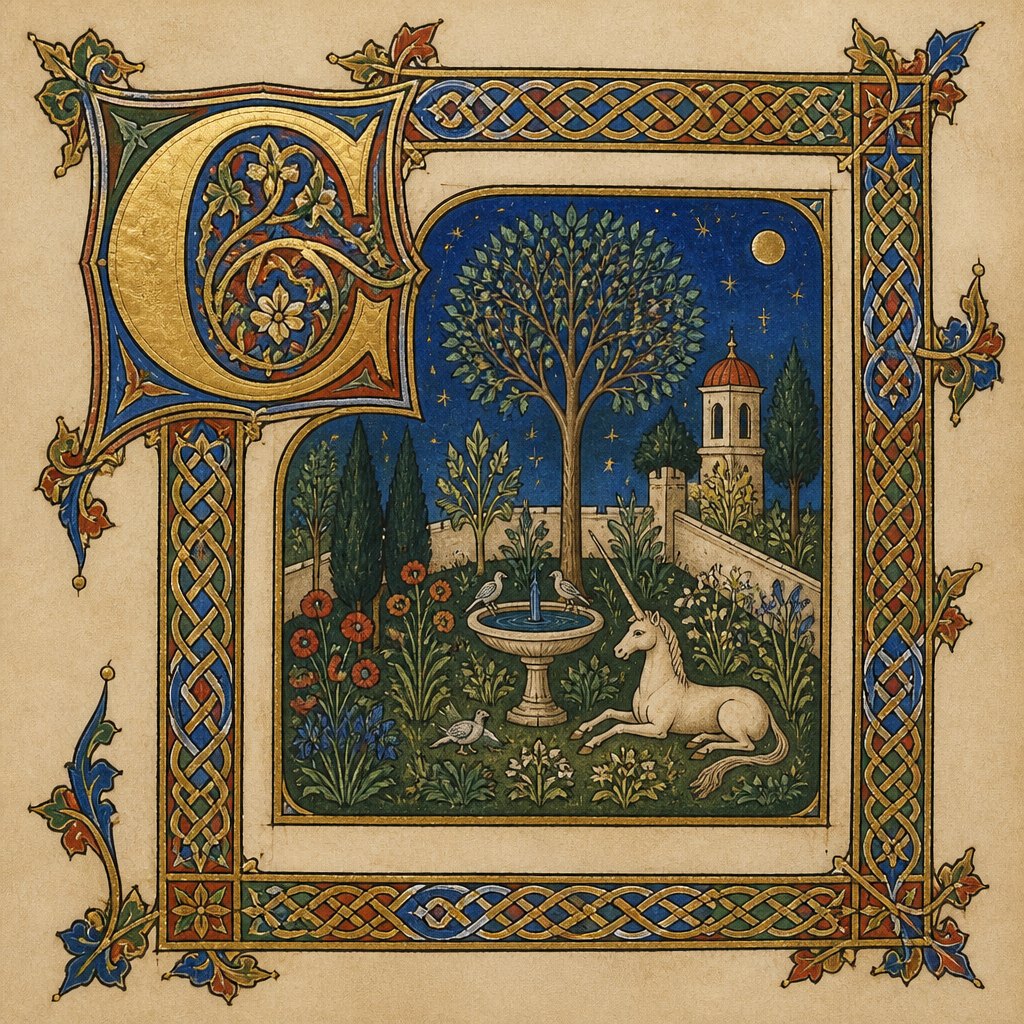 AI-generated
Try it with AI
Get the Manuscript Illumination look in a generator
To evoke manuscript illumination in an AI image generator, call out its materials and structure directly: 'gold leaf detailing,' 'burnished gold ground,' 'jewel-toned flat color,' and 'dense interlace border ornament.' Describe the format — 'decorated initial letter,' 'framed miniature scene,' or 'illuminated border' — to push toward the genre's page-based composition. Add 'parchment texture' and 'fine ink outlines' for material accuracy, and 'flat, non-naturalistic shading' to avoid slipping into modern painterly rendering. Avoid photorealism terms entirely; illumination reads through pattern density and gold, not depth.
Frequently asked questions
What is manuscript illumination?
Manuscript illumination is the art of decorating handwritten books with gold leaf, vivid pigment, and ornamental imagery — illustrated initials, miniature scenes, and decorated borders — added after the text was written.
Why is it called 'illumination'?
The name refers to how burnished gold and silver leaf seem to light up the page, catching and reflecting light in a way flat paint cannot.
Can I try illumination without real gold leaf?
Yes — imitation gold leaf or gold-toned paint lets beginners practice layout, burnishing technique, and fine painting without the cost of real gold.
Why did manuscript illumination decline?
The spread of the printing press in the fifteenth century made illustrated books dramatically cheaper to produce, reducing demand for hand-illuminated manuscripts outside luxury and ceremonial commissions.