 Art
Art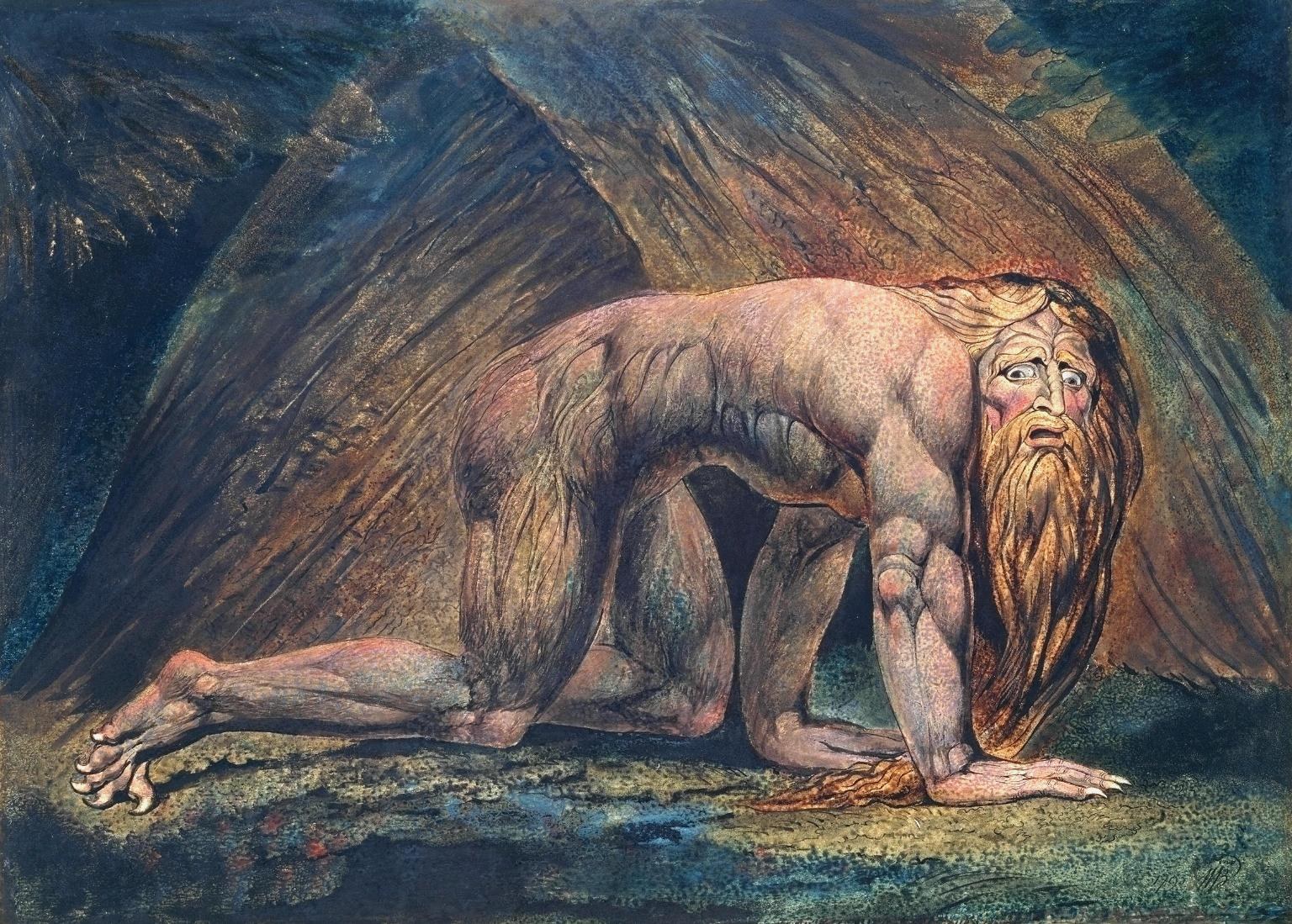
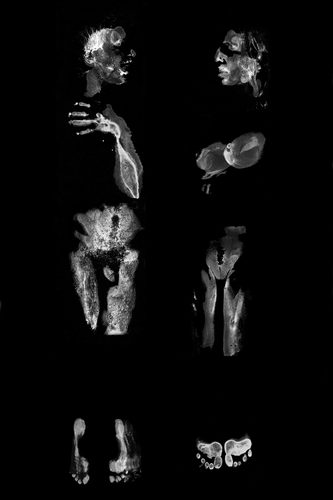
Monotype is a printmaking technique that produces a single, unrepeatable impression by painting or applying ink directly onto a smooth, unworked plate—no etching, engraving, or stencil involved—then transferring that image to paper under a press or by hand pressure. Because the plate carries no permanent incised or textured image, only one strong pull is possible; any second impression, called a ghost print, comes out much fainter and is usually reworked into a new piece rather than treated as a duplicate. This makes monotype closer in spirit to painting or drawing than to reproducible printmaking, even though it uses printmaking's transfer process. Artists reach for monotype when they want the spontaneity of direct mark-making combined with the particular softness, unpredictability, and slight translucency that comes from printing—the plate surface flattens brushwork into a distinctive glassy quality no direct painting can quite replicate.
How to spot it
- 01Soft, blended, painterly color transitions unlike any carved or etched print
- 02A slightly flattened, glassy translucency to brushwork, unlike direct painting
- 03No repeated edition; every monotype impression is visibly unique
- 04Loose, gestural marks that look wiped, brushed, or dragged rather than drawn
- 05Occasional faint 'ghost' second pulls reworked with extra color or drawing
The Monotype workshop card
an afternoon to try, a lifetime to exploreMaterials
- smooth metal, glass, or acrylic plate
- printmaking or oil-based ink
- brayer (roller) and brushes
- rags and cotton swabs for wiping back ink
- dampened printmaking paper
- hand-cranked press or wooden spoon for hand-burnishing
- palette knife for texture work
Steps
- 1
Prepare a bare plate
Start with a smooth, completely unmarked plate—glass, acrylic, or polished metal all work well here, since nothing will ever be cut or etched into it.
- 2
Apply ink broadly
Roll or brush ink broadly across the whole plate as a base layer, working loosely the way you would block in an oil painting first.
- 3
Remove ink to draw
Wipe, scratch, or lift ink away with rags, brushes, or a palette knife to pull light areas and fine linework out of the dark field.
- 4
Build with additive color
Add more ink or paint back into select areas for richer color and texture, layering it thickly as you would with a brush on canvas.
- 5
Lay down damp paper
Place a sheet of dampened printmaking paper carefully over the freshly inked plate without shifting it at all, since any slide will blur the transfer badly.
- 6
Transfer under pressure
Run the plate through a press, or burnish it by hand with the back of a wooden spoon, applying firm, even pressure across the whole surface.
- 7
Peel and evaluate
Lift the paper slowly from one corner to check the full transfer carefully before deciding whether to pull a fainter ghost print from what remains.
- 8
Rework the ghost print
Treat any second, much fainter pull as an entirely new starting point—add fresh ink, pastel, or paint rather than expecting it to match the first.
Classic mistakes
Overinking the plate
Too much ink left on the plate pools and smears badly during transfer, muddying detail instead of producing clean tonal contrast.
Letting paper shift
Moving the damp paper even slightly once it touches the inked plate causes doubled, blurred lines in the final print.
Uneven press pressure
Inconsistent hand or press pressure across the plate leaves parts of the image transferring weakly, unevenly, or not at all.
Expecting a repeatable edition
Treating monotype like other print methods and expecting identical copies misunderstands the medium; each pull is meant to be singular.
Where it comes from
Monotype dates to the seventeenth century, credited largely to the Italian printmaker Giovanni Benedetto Castiglione, who experimented with painting directly onto a plate and printing a single impression. The technique remained a minor curiosity for generations until Edgar Degas took it up seriously in the 1870s, producing hundreds of monotypes—often in stark black ink—that let him work with spontaneous tonal masses rather than his usual careful draftsmanship, sometimes reworking the prints further with pastel. Because monotype rewards experimentation and produces genuinely one-of-a-kind results, it appealed to artists more interested in painterly effect than in the reproducibility that defines most printmaking. It remains popular today, particularly among painters, as a bridge technique that borrows a printing press's pressure and transfer quality without giving up a painting's spontaneity.
See it done perfectly
| Work | Maker | Date | What to look at |
|---|---|---|---|
| Early monotype experiments | Giovanni Benedetto Castiglione | 1640s | Among the first artists to paint directly onto a bare plate and pull a single unrepeatable print. |
| Monotype scenes of dancers and interiors | Edgar Degas | 1870s–1880s | Wiped dense black ink back to reveal light, producing moody scenes often reworked later with pastel. |
| Landscape monotypes | Edgar Degas | 1890s | Dragged and wiped ink into loose, atmospheric, near-abstract imagined terrain. |
 AI-generated
Try it with AI
Get the Monotype look in a generator
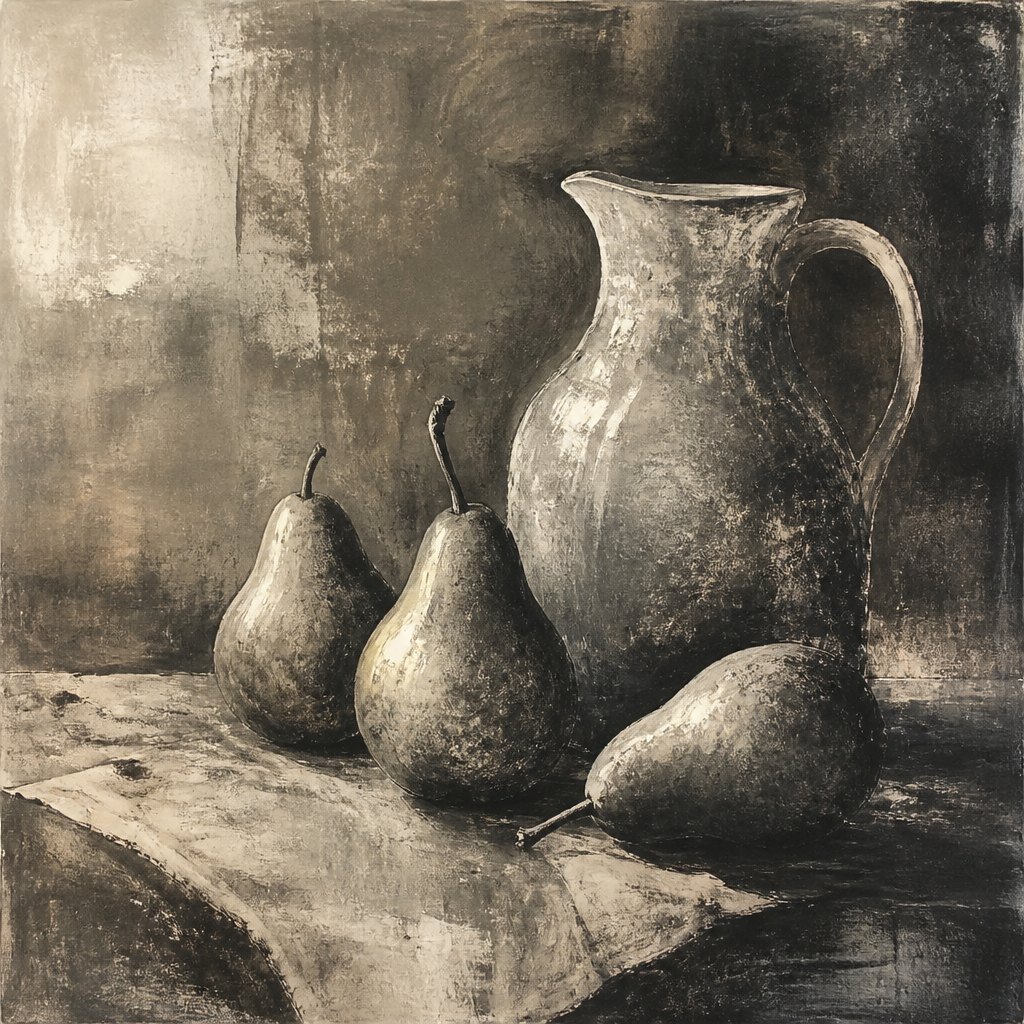
To suggest monotype in an AI prompt, emphasize painterly spontaneity within a print: 'loose brushed ink,' 'wiped and dragged tonal texture,' or 'soft glassy translucency.' Ask for blended, gestural color transitions rather than hard edges or repeated patterns, since monotype has no line-based structure to fall back on. Words like 'painterly print texture,' 'lifted highlight,' and 'one-of-a-kind print quality' reinforce the effect. A slightly flattened sheen across brushwork suggests the plate-transfer look. Avoid describing crosshatching, mesh texture, or crisp mechanical repetition, since those belong to other print methods, not monotype's direct, painted spontaneity.
Frequently asked questions
What is a monotype?
A monotype is a print made by painting or applying ink directly onto a smooth, unmarked plate and transferring it to paper in a single pull, with no etching or engraving involved.
How is monotype different from monoprint?
The terms are often used interchangeably, though some printmakers reserve 'monoprint' for prints that combine a repeatable etched or engraved element with unique painted additions.
Can you make more than one print from a monotype plate?
A faint second pull, called a ghost print, is possible but much weaker than the first; most artists rework ghosts with more ink or pastel rather than treating them as copies.
Do I need a printing press for monotype?
No—hand-burnishing with the back of a spoon can transfer the image, though a press gives more even, consistent pressure.